
Last updated November 25, 2026
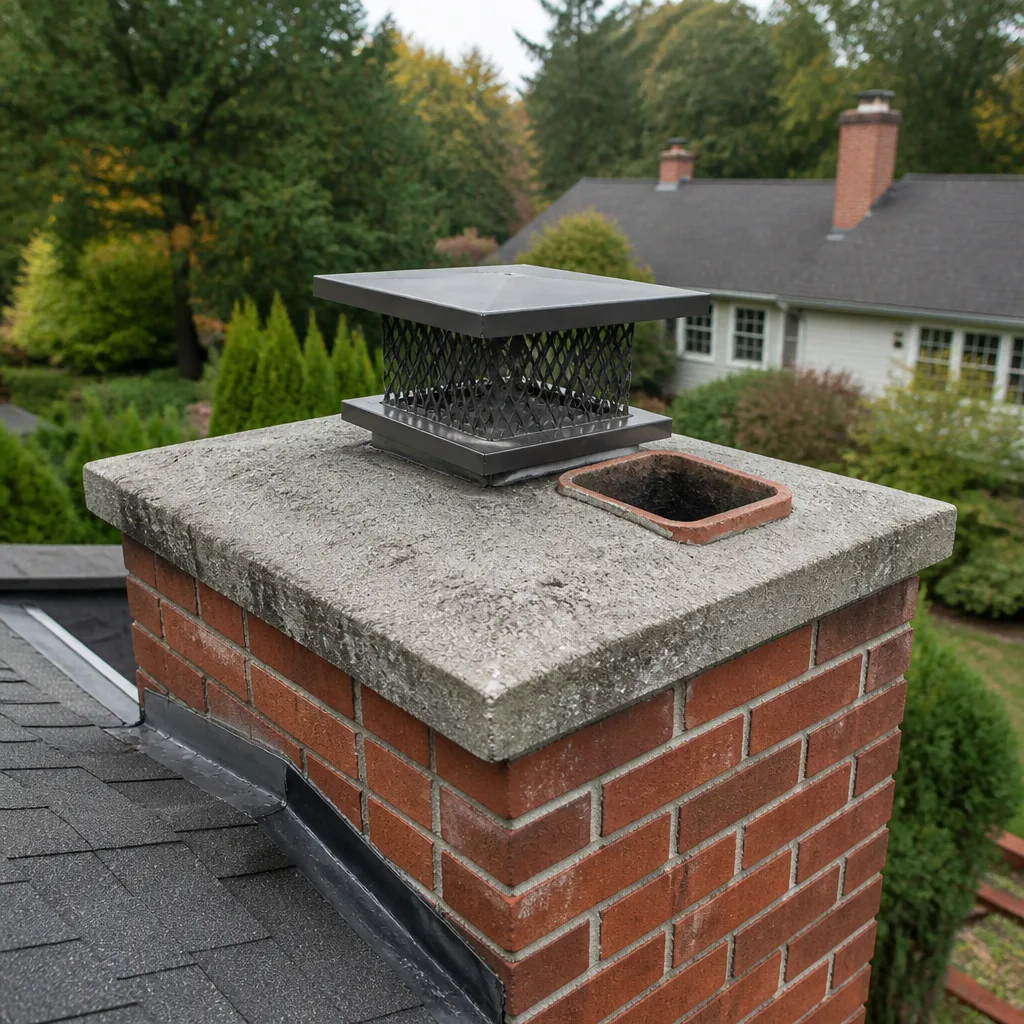 Sweep & inspection
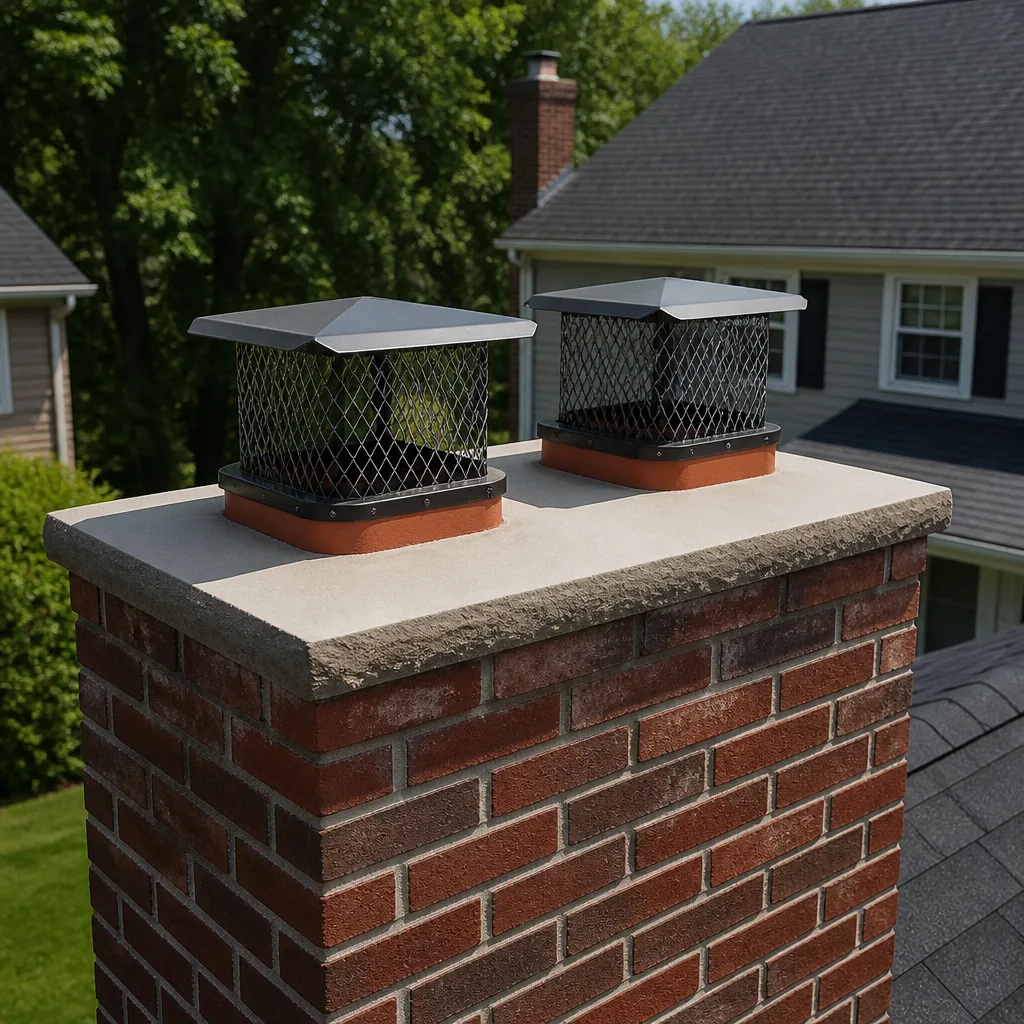 Caps & crowns
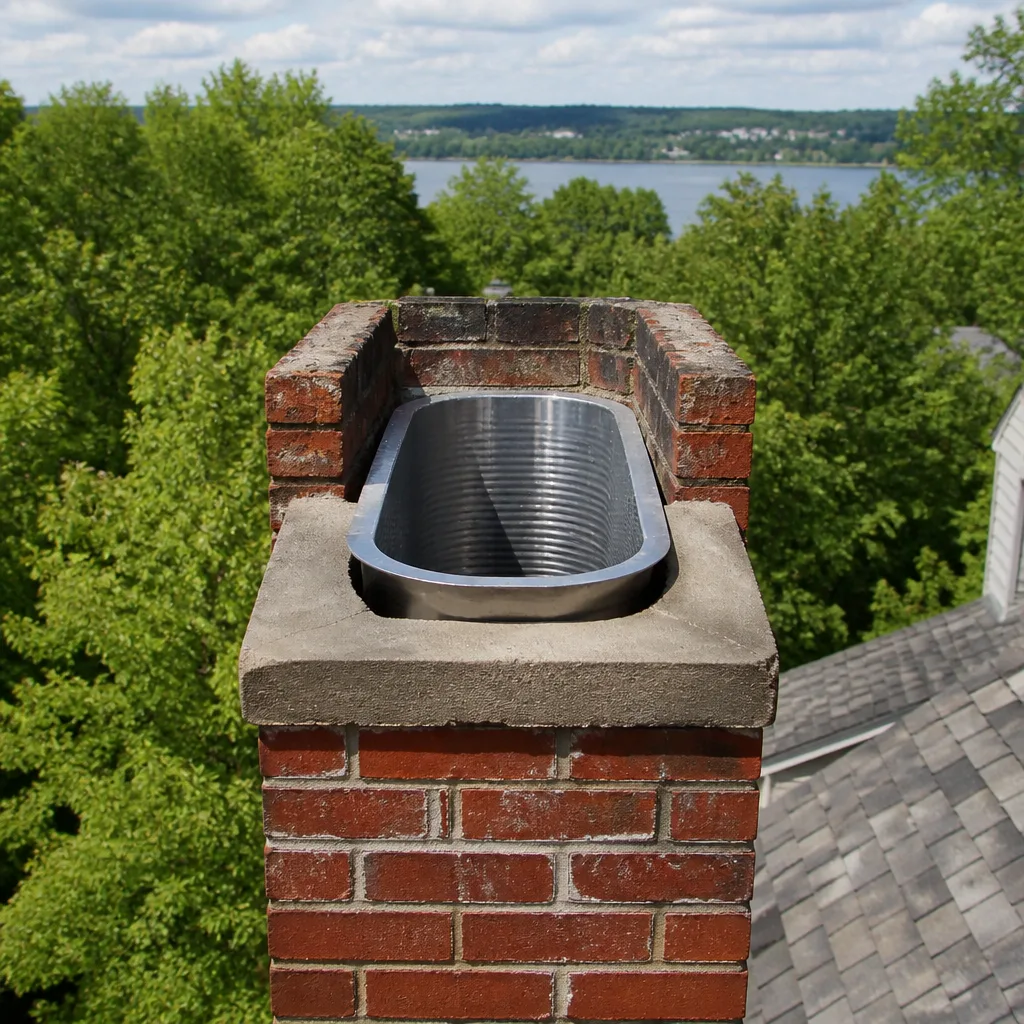 Flue relining
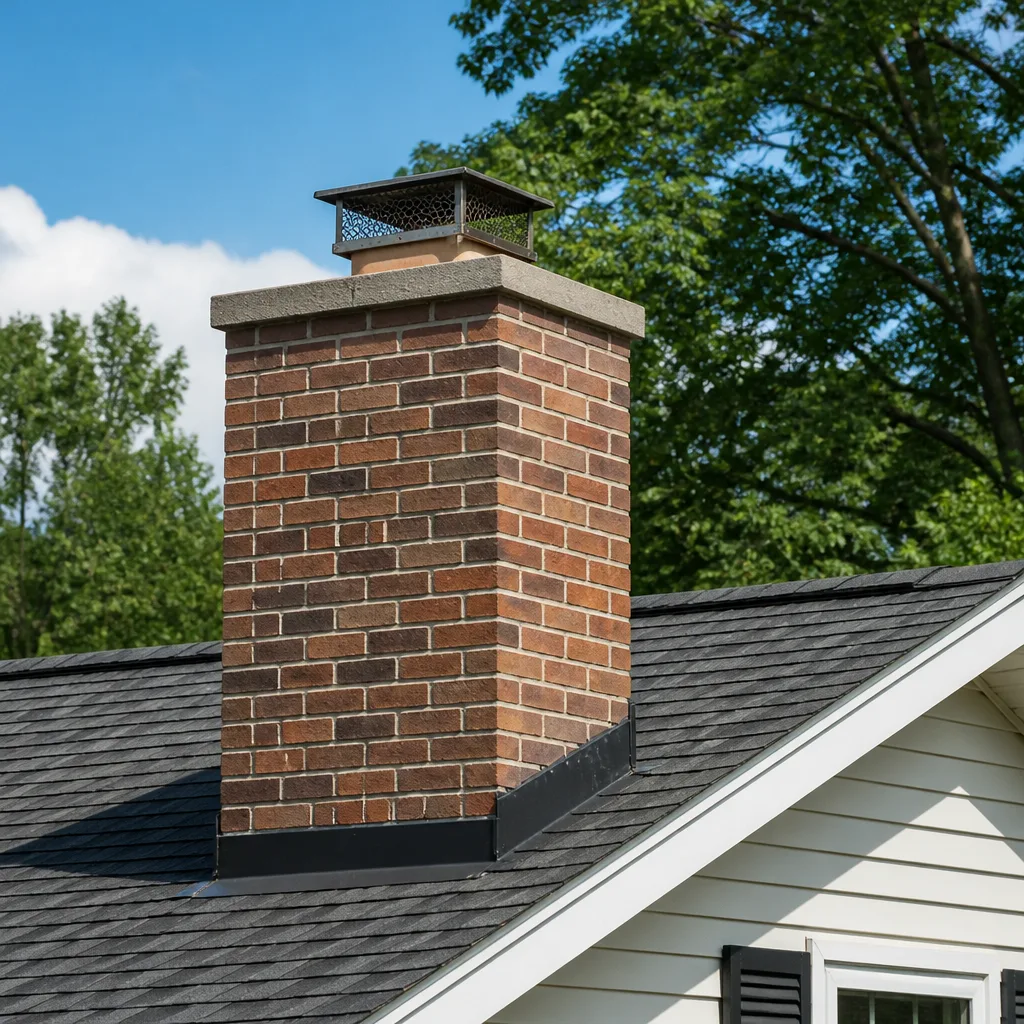 Masonry repair
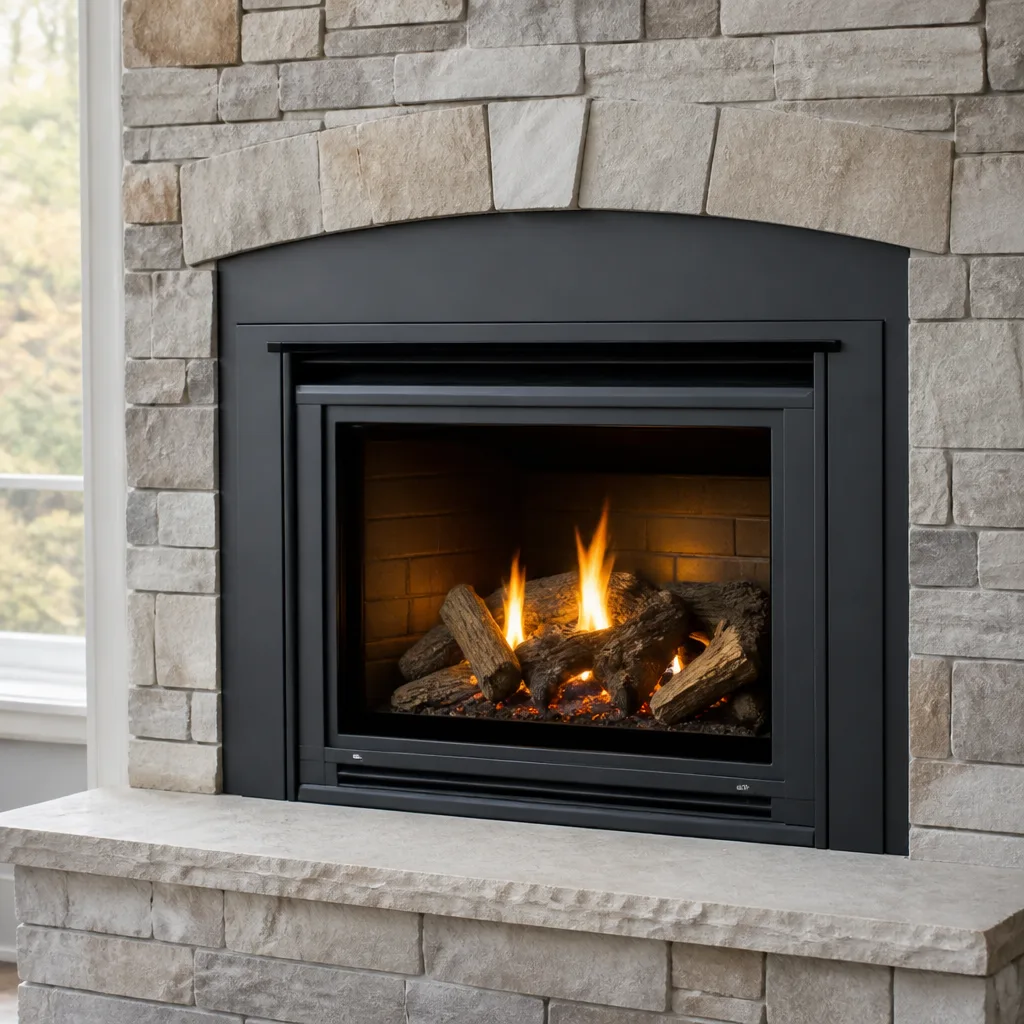 Gas fireplace service
Level 1 sweep and inspection to the NFPA 211 annual standard - flue, crown, cap, and flashing checked and photographed
Chimney sweep logs do not sweep chimneys. They loosen some creosote - which then falls where a brush and vacuum still have to collect it.
Chimney Cleaning Permits, Codes & Inspections in Uptown, TX: What You Need to Know
The cleaning itself is exempt. The moment a contractor replaces a flue liner or rebuilds a firebox, you’ve crossed into permitted work, and most homeowners never knew the line existed. That’s the gap this guide fills. In Uptown, a routine annual sweep rarely needs a permit, but the repairs that a sweep uncovers often do, and the paperwork trail matters when you sell. People assume the chimney pro handles all of it; in reality the homeowner is usually the one named on the permit. Below we walk through exactly which services trigger permits under Texas residential code, how City of Dallas and Dallas County inspection requirements reach Uptown properties, what NFPA 211 actually requires, and how to verify a contractor’s permit documentation before work starts.
Styles & brands we work with
- Sweep & inspection
- Caps & crowns
- Flue relining
- Masonry repair
- Gas fireplace service
Quick Answer
In Uptown, routine chimney cleaning is maintenance and generally does not require a permit, but structural or flue-system work such as liner replacement, firebox rebuilds, and chimney reconstruction typically does require a City of Dallas permit and inspection. NFPA 211 sets the inspection levels (Level 1, 2, and 3), and Texas homes fall under those standards even though Texas has no statewide chimney code. The permit belongs to the property owner, so ask for the paperwork before any repair begins.
Table of Contents
- Which chimney services in Uptown are routine maintenance and which need a permit?
- What does Texas residential code actually say about chimneys?
- How do City of Dallas and Dallas County permit and inspection rules reach Uptown?
- What does NFPA 211 require, and how is it enforced here?
- How does a chimney inspection work, step by step?
- What happens at resale if chimney work was done without a permit?
- How do you request and verify permit documentation from a contractor?
- Common mistakes to avoid
- When to call a professional
- Frequently asked questions
- The bottom line
Which chimney services in Uptown are routine maintenance and which need a permit?
Routine chimney cleaning needs no permit. Sweeping the flue, removing creosote, brushing the firebox, checking the damper, and clearing a cap of debris all fall under ordinary maintenance, the same category as changing a furnace filter. That holds for wood-burning fireplaces across Uptown and for gas units that get an annual check. You don’t file paperwork for a sweep.
The line moves the moment the work changes the structure or the flue system. Under Texas residential code, which follows the International Residential Code in the state’s larger cities, the following generally require a permit from the local building department:
- Flue liner replacement – installing a new liner system, including flexible stainless liners, is a structural change to the venting system. Most cities treat this as permitted work.
- Firebox rebuild or reconstruction – replacing firebrick, rebuilding the firebox floor, or relining the firebox with a resurfacing system that changes the material profile.
- Chimney reconstruction – rebuilding masonry above the roofline, replacing a damaged crown at structural scale, or re-flashing where the chimney meets the roof.
- Chimney cap installation, sometimes – a simple cap set on an existing flue often slips under the permit threshold, but a cap that requires masonry anchoring, a custom-fabricated cap tied to the crown, or crown reconstruction typically does not. Ask the building department.
- Changing the appliance – swapping a wood-burning insert for a gas unit, or adding a new appliance to an existing flue, usually triggers a permit and an inspection.
What sits in the gray zone? HeatShield resurfacing, which restores deteriorating flue tiles from the inside, is permitted work in some jurisdictions and routine repair in others. Same with crown coating. That’s why we tell Uptown homeowners to ask the building department directly when a repair crosses from cosmetic to structural. The answer depends on scope, not on brand.
What does Texas residential code actually say about chimneys?
Texas has no statewide chimney code. Cities adopt their own building codes, and the large metros, Dallas included, work from the International Residential Code as amended locally. That means the rules that apply to your Uptown chimney are City of Dallas rules plus the International Residential Code plus NFPA 211, layered together. There is no single statewide chimney statute to point to.
The International Residential Code covers chimney construction, clearances, and venting. It sets minimum wall thickness for masonry chimneys, tells you how far a chimney must extend above the roof, and spells out the clearance between a chimney and combustible framing. Those are construction standards, not cleaning standards. Cleaning and inspection live in NFPA 211, which the IRC references.
Two practical consequences follow for Uptown:
- Your permit is a City of Dallas permit, not a county or state permit. Dallas County doesn’t issue chimney permits. The city does. When a contractor says “county permit,” ask which department issued it.
- The inspection that follows a permitted repair is a city inspection. A city inspector signs off on framing clearances, liner installation, and venting at the point the work is complete. That sign-off is your paper trail at resale.
Mild North Texas winters don’t change the code math. A chimney built to standard works the same whether you burn two cords a year or ten. But mild winters do change how often people sweep: many Uptown homeowners burn less than they think, and skip the annual inspection as a result. The code doesn’t care how often you burn. It cares whether the flue is safe when you do.
How do City of Dallas and Dallas County permit and inspection rules reach Uptown?
Uptown is inside Dallas city limits, so City of Dallas permitting applies to every chimney repair that touches structure. Permits are filed through the city’s building department and require an inspection at completion. Dallas County’s role is narrower: it doesn’t issue chimney permits, but county-level property records and the appraisal district’s improvement records carry the corrections that eventually show up at resale.
What that means for an Uptown property is concrete. When you file a chimney permit and complete the work, the city records the permit, the inspection, and the sign-off. When you skip the permit and the work is later discovered, there’s a gap in the property record that a buyer’s inspector and a title search will flag.
Uptown’s building stock matters here. Much of the neighborhood’s residential inventory includes condos, townhomes, and mid-rise buildings alongside older single-family homes. In a condo or townhome, the chimney or flue may be shared or partly common-element, and permit and inspection responsibility can split between the HOA and the unit owner. Before any repair, find out who owns the flue you’re repairing – the unit or the association. That one question decides who files the permit.
Stacked construction also changes how inspections happen. A roofline chimney in a mid-rise building may need to be inspected from a rooftop access point rather than from a ladder at the edge of a yard. Access terms live in the HOA documents. A contractor who shows up without those answers in writing is a contractor who hasn’t read your building’s rules.
For routine work, none of this applies. A chimney sweep in a condo or single-family home doesn’t require a permit regardless of the building type. Only the repair side does.
What does NFPA 211 require, and how is it enforced here?
NFPA 211 is the national standard for chimneys, fireplaces, vents, and solid fuel appliances. It’s not a law, but the International Residential Code references it, and cities that adopt the IRC effectively enforce it. In Uptown, NFPA 211 reaches you through the city’s adoption of the code, not through a Texas statute.
NFPA 211 defines three inspection levels:
- Level 1 – a visual inspection of the readily accessible portions of the chimney, firebox, and flue. This is the inspection that goes with an annual sweep. No demolition, no camera.
- Level 2 – everything in Level 1 plus a closer look at concealed areas, typically using a camera. Required when the appliance changes, when a property changes hands, or after a chimney fire or seismic event.
- Level 3 – a diagnostic inspection that requires removing parts of the chimney or building fabric to access a specific area. Reserved for suspected hazards that Level 2 couldn’t resolve.
How does that map to Texas enforcement? Two ways. First, when a contractor files a permit for a liner replacement or firebox rebuild, the city inspector’s site visit is a code compliance check, not an NFPA 211 inspection. The two are different documents produced by different people for different purposes. Second, an insurance claim after a chimney fire is often evaluated against NFPA 211’s maintenance standard. An insurer can point to a missing Level 2 inspection as evidence of deferred maintenance. That’s the practical enforcement: paperwork and coverage, not a chimney inspector patrolling Uptown.
In our experience, most Uptown homeowners have had a Level 1 inspection as part of an annual sweep and have never had a Level 2. The Level 2 is what a buyer’s inspector asks for at resale, so keep the report if you’ve had one.
How does a chimney inspection work, step by step?
A chimney inspection in Uptown is a defined process, not an improvisation. Here’s how a typical visit runs.
- Intake and scope. The technician asks what’s burning in the fireplace, how often, whether there’s been a chimney fire, and whether the property is being sold or bought. The answer to that last question changes the level of inspection.
- Exterior check. From the roof or an accessible vantage point, the technician examines the chimney top, crown, cap, and flashing. Cracks in the crown, a missing cap, or a loose flashing detail all show up here.
- Firebox and damper. Inside, the technician checks the firebox for cracks, the damper for function, and the smoke chamber for buildup and deterioration.
- Flue examination. For a Level 1, this is visual up the flue. For a Level 2, a camera goes up the flue and records what it finds. Creosote glazing, cracked tiles, gaps at joints, and offset sections are all visible on camera.
- Written report. A proper inspection produces a written report with photos. You should receive that report and keep it. It’s the record of the chimney’s condition on that date, and it’s what supports a permit application if a repair is needed.
- Recommendation, then decision. The technician recommends repairs only where the evidence supports them. You decide what to authorize. Nothing gets scheduled without your approval.
If the inspection turns up a fireplace repair need, the same relationship can handle it. That’s the difference between a sweep-only operation and a full-scope provider: you don’t get handed off to a second company for the repair and a third for the cap and crown.
What happens at resale if chimney work was done without a permit?
Unpermitted chimney repairs surface at resale. Buyer’s inspectors are trained to look for them, and title companies pull permit history as part of the file. When a liner replacement or firebox rebuild appears in the property record without a corresponding permit and inspection, the buyer’s side asks questions the seller usually can’t answer.
What inspectors actually look for:
- Liner installation date vs. permit record. A newer stainless liner inside an older chimney is a common flag. The inspector asks “when was this installed?” and checks whether a permit was filed.
- Firebox resurfacing without documentation. HeatShield resurfacing or firebrick replacement that isn’t on record raises the question of who did it and to what standard.
- Crown and cap discrepancies. A newly rebuilt crown with no permit in the record suggests unpermitted masonry work.
- Missing inspection reports. NFPA 211 Level 2 inspections, when required, produce a report. When the report is missing, the buyer asks for one.
The remedy is usually not demolition. It’s retroactive permitting, which means filing for the work after the fact and having it inspected. That process works, but it costs time in a closing timeline. The cheaper option is to have a permit filed before the repair starts. If you’re selling an Uptown property and don’t know the history of the chimney, ask for a chimney inspection before the buyer’s inspector finds the gap for you.
How do you request and verify permit documentation from a contractor?
Ask for the permit before the work, in writing, and confirm it’s issued before the crew arrives. That’s the whole answer. The rest is knowing what “legitimate” looks like.
What to request and what to expect:
- Permit number and issuing department. A valid City of Dallas permit has a number and is traceable to the city’s permitting system. If a contractor can’t produce a number, the permit doesn’t exist yet.
- Scope of work on the permit. The permit should describe the work in the same terms the contractor quoted – liner replacement, firebox rebuild, chimney reconstruction. A permit that says “miscellaneous repair” doesn’t cover a liner.
- Names on the permit. The permit is typically issued to the property owner or the licensed contractor, depending on how the city files it. Ask which name is on it and confirm it matches the entity doing the work.
- Inspection record at completion. A permitted job gets inspected and the inspection is recorded. Request the final inspection sign-off after the work is done. That document is what a future buyer’s inspector will look for.
- Materials documentation. A reputable contractor can tell you what brand of liner or cap went in. DuraFlex liner systems, Gelco chimney caps, and materials sourced through Olympia Chimney, Famco, or Copperfield are the kind of trade brands you’ll see named on the paperwork. If the contractor can’t tell you the brand, that’s a signal.
One more thing. The permit and inspection belong to the property, not to the contractor. When a contractor offers to “handle everything,” ask specifically which documents you will receive at completion. A legitimate answer includes the permit number and the inspection sign-off. A vague one doesn’t.
Common Mistakes to Avoid
- Assuming the sweep covers the repair paperwork. The annual sweep doesn’t file anything, and the repair that follows does. Ask about permits specifically when a repair is quoted, not after.
- Letting the contractor keep the permit documents. The permit and inspection belong to your property. If the contractor holds them, ask for copies for your records before the job closes out.
- Skipping the Level 2 inspection at resale. In Uptown, where the buyer’s inspector is trained to look for unpermitted work, a missing Level 2 report is a red flag. Get the inspection before you list, not after an offer.
- Treating a condo chimney like a single-family one. If the flue is a common element, the HOA may need to be involved in permitting and inspection. Assume nothing until you’ve read the association documents.
- Accepting “miscellaneous repair” as a permit scope. The permit must name what’s being done. A generic scope doesn’t cover a liner replacement, and the inspection won’t validate it.
- Believing the mild winter means the chimney can wait. North Texas winters are mild, but creosote buildup and cracked flue tiles don’t care. A flue that sat all summer without an inspection is a flue that hasn’t been checked since the last burn season.
- Accepting a repair recommendation with no visual evidence. Nothing should be recommended without camera evidence you can look at yourself. If the recommendation arrives without photos or a camera report, ask for them before you authorize anything.
When to Call a Professional
Call when you’re planning a repair that touches structure – a liner replacement, firebox rebuild, chimney reconstruction, or a crown and cap installation that requires masonry anchoring – because the permit question needs answering before the work starts. Call when you’re buying or selling an Uptown property and the chimney’s history is unknown. Call when a previous repair is undocumented. Call after a chimney fire, even a small one, because the flue needs a Level 2 inspection before the next burn. And call if you’ve never had the chimney inspected and don’t know when it last was.
Chimney Sweep Uptown offers free estimates in Uptown – call (855) 814-8019. We answer 24/7. Fast dispatch from 7am to 7pm. A chimney cap & crown job that needs a permit gets one filed; a sweep that doesn’t need one gets scheduled without the paperwork overhead. From inspection to repair, one company, one standard of work.
Frequently Asked Questions
No. Routine chimney cleaning in Uptown is maintenance and does not require a permit. Sweeping the flue, removing creosote, and checking the firebox and damper fall under ordinary maintenance. A permit is only triggered when the work changes the structure or the flue system, such as a liner replacement or firebox rebuild. Call (855) 814-8019 for an exact quote – estimates are free.
Usually, yes. Under the International Residential Code as adopted by the City of Dallas, installing a new flue liner system is a structural change to the venting system and is typically permitted work. The permit is filed with the City of Dallas building department, and an inspection follows at completion. Confirm the requirement with the building department before work begins. Call (855) 814-8019 for an exact quote – estimates are free.
NFPA 211 defines three levels: Level 1 is a visual inspection of accessible portions, Level 2 adds a camera inspection of concealed areas, and Level 3 involves removing parts of the chimney to access a specific area. A routine annual sweep pairs with a Level 1. A Level 2 is typically required when the property changes hands, when the appliance changes, or after a chimney fire. Call (855) 814-8019 for an exact quote – estimates are free.
The work can usually be permitted retroactively, which means filing after the fact and having it inspected. In an Uptown condo, the first question is who owns the flue – the unit or the association – because that decides who files the permit. A Level 2 inspection establishes the condition of the chimney and supports the retroactive filing. Call (855) 814-8019 for an exact quote – estimates are free.
Ask for the permit number and the issuing department, then confirm the number against the City of Dallas permitting system before work starts. The permit should describe the scope in the same terms as the quote. After the work is done, request the final inspection sign-off. Both documents belong to your property, and you should keep copies. Call (855) 814-8019 for an exact quote – estimates are free.
You need the repair only when there’s camera evidence you can see for yourself. Ask for the camera footage or photos of the flue, the firebox, and the crown. A deteriorated crown, a cracked flue tile, or a failing liner is visible on camera. If the recommendation arrives without evidence, ask for it before you authorize anything, and it’s fine to say plainly when a repair can safely wait. Call (855) 814-8019 for an exact quote – estimates are free.
The Bottom Line
Chimney cleaning in Uptown is routine maintenance and needs no permit. The repairs a cleaning uncovers often do. That’s the boundary most homeowners don’t know exists, and it’s the one that matters at resale. City of Dallas permits apply to liner replacements, firebox rebuilds, and chimney reconstruction; Dallas County doesn’t issue them. NFPA 211 sets the inspection levels and reaches Uptown through the city’s adoption of the International Residential Code. The practical move: ask for the permit number before work starts, keep the inspection sign-off when it’s done, and request a Level 2 inspection before you list an Uptown property. Call (855) 814-8019. We answer 24/7. Fast dispatch from 7am to 7pm.
Written by the team at Chimney Sweep Uptown.
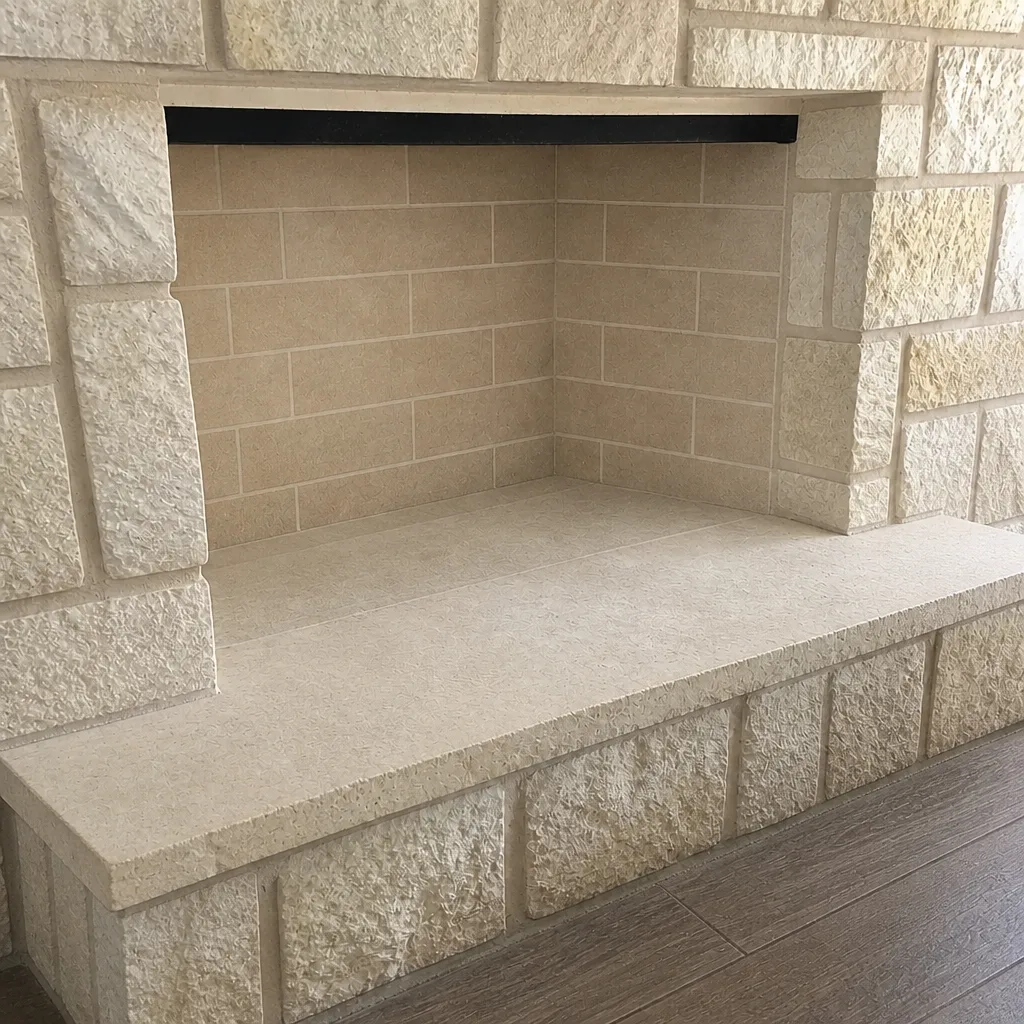
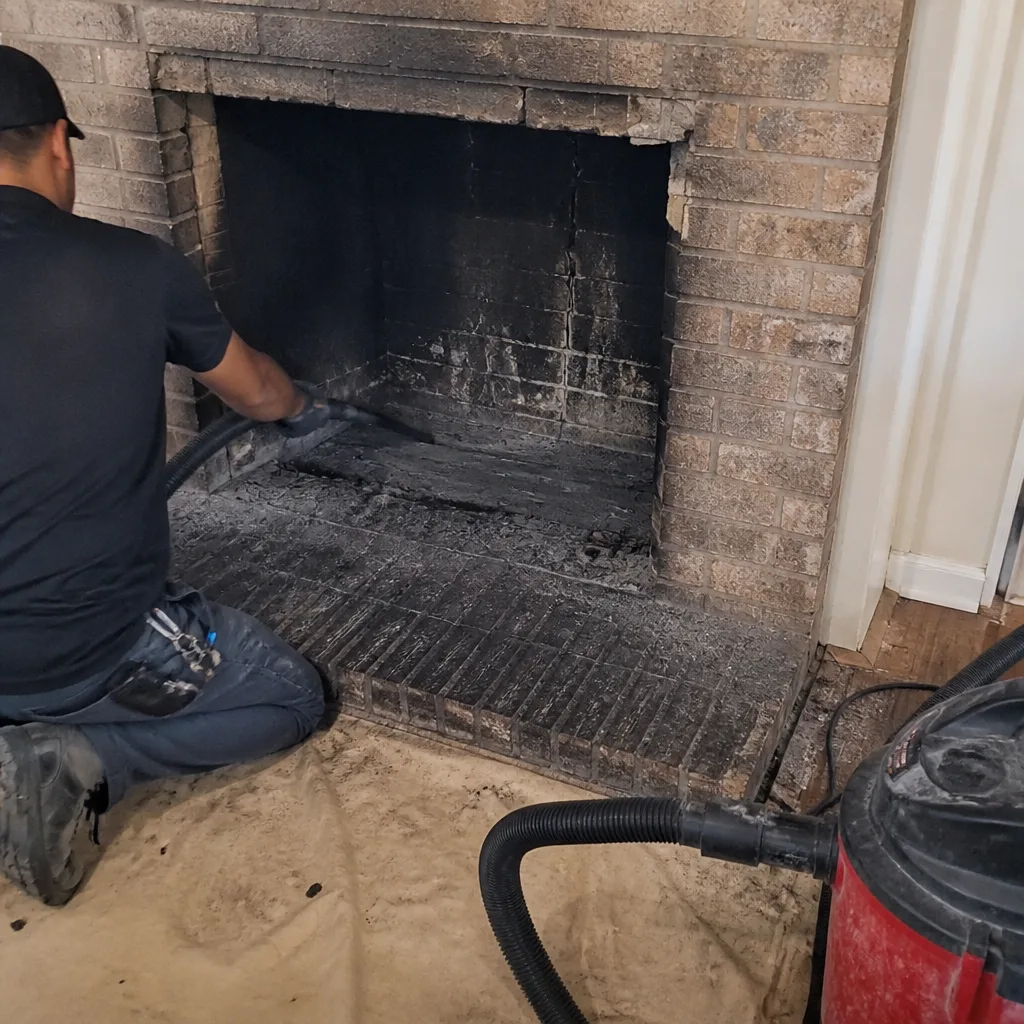
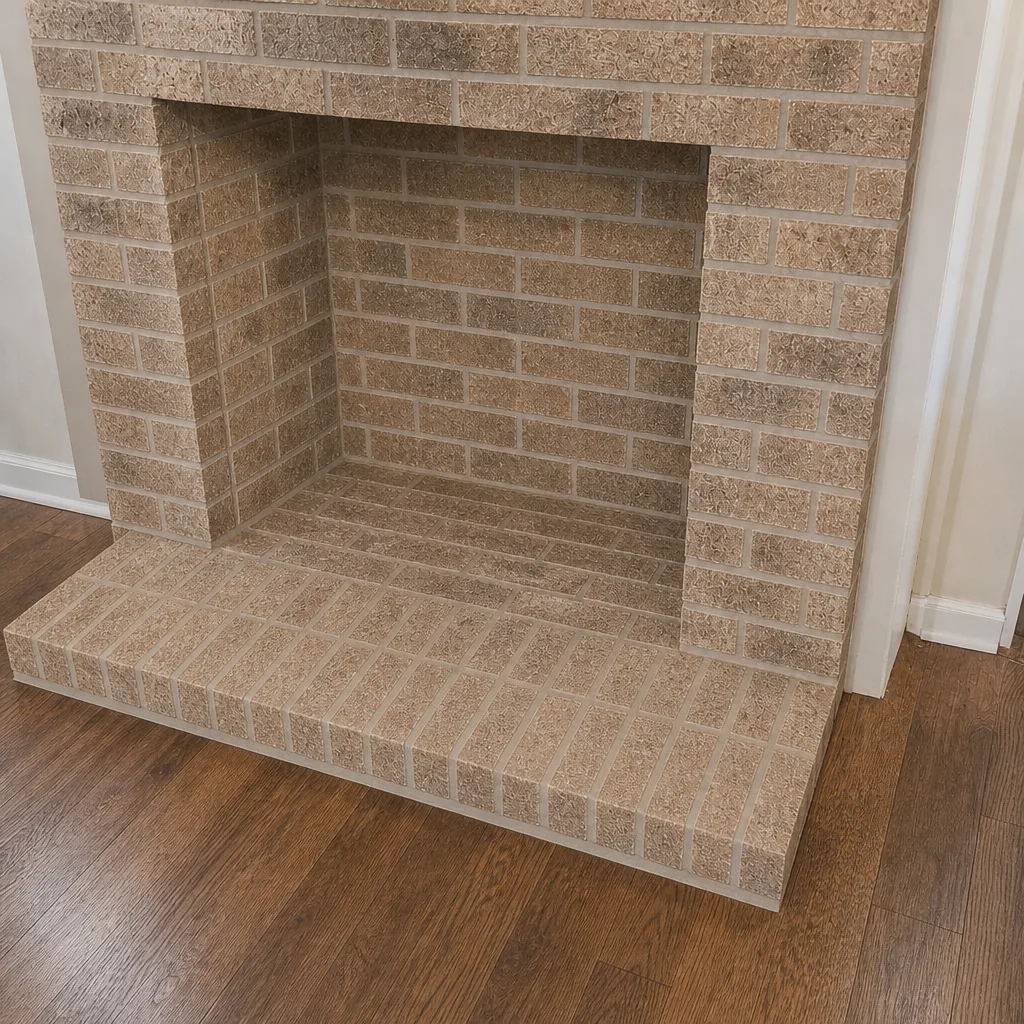
See the difference
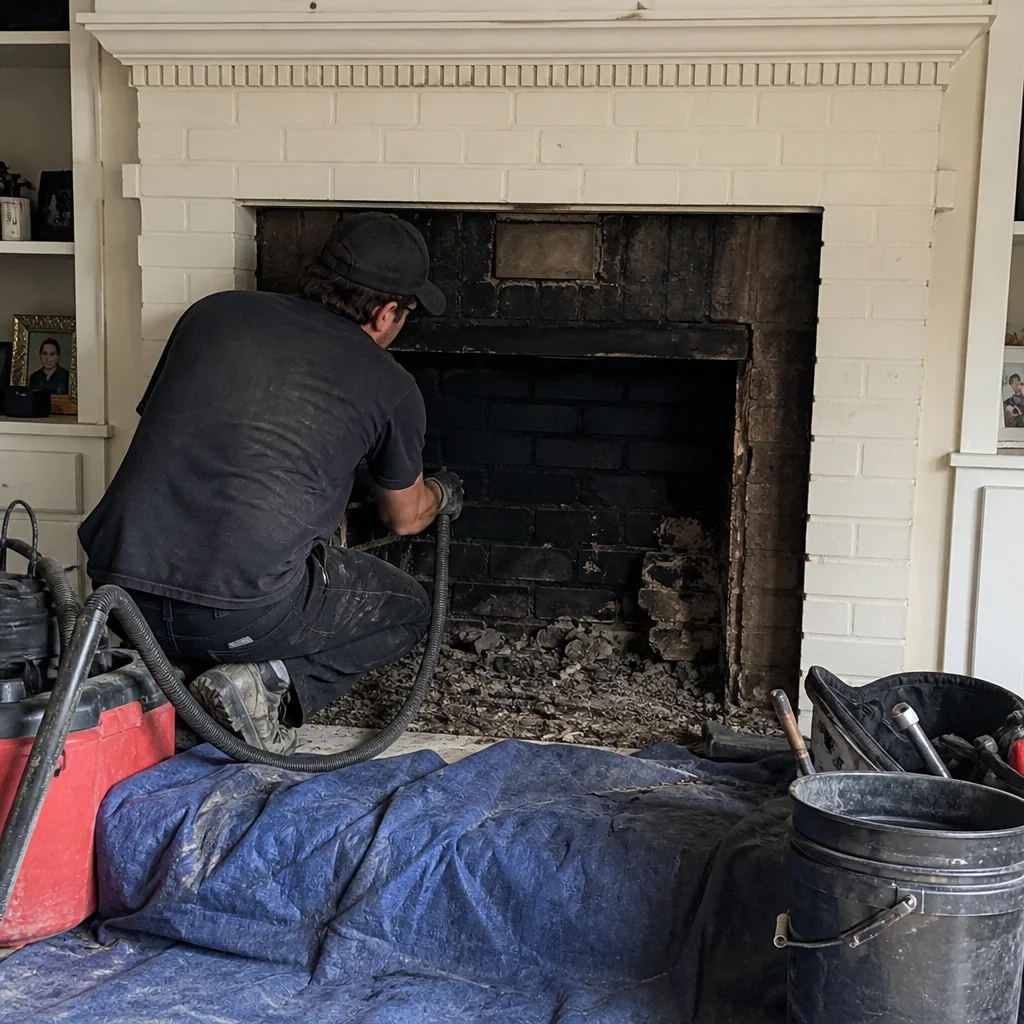 Before
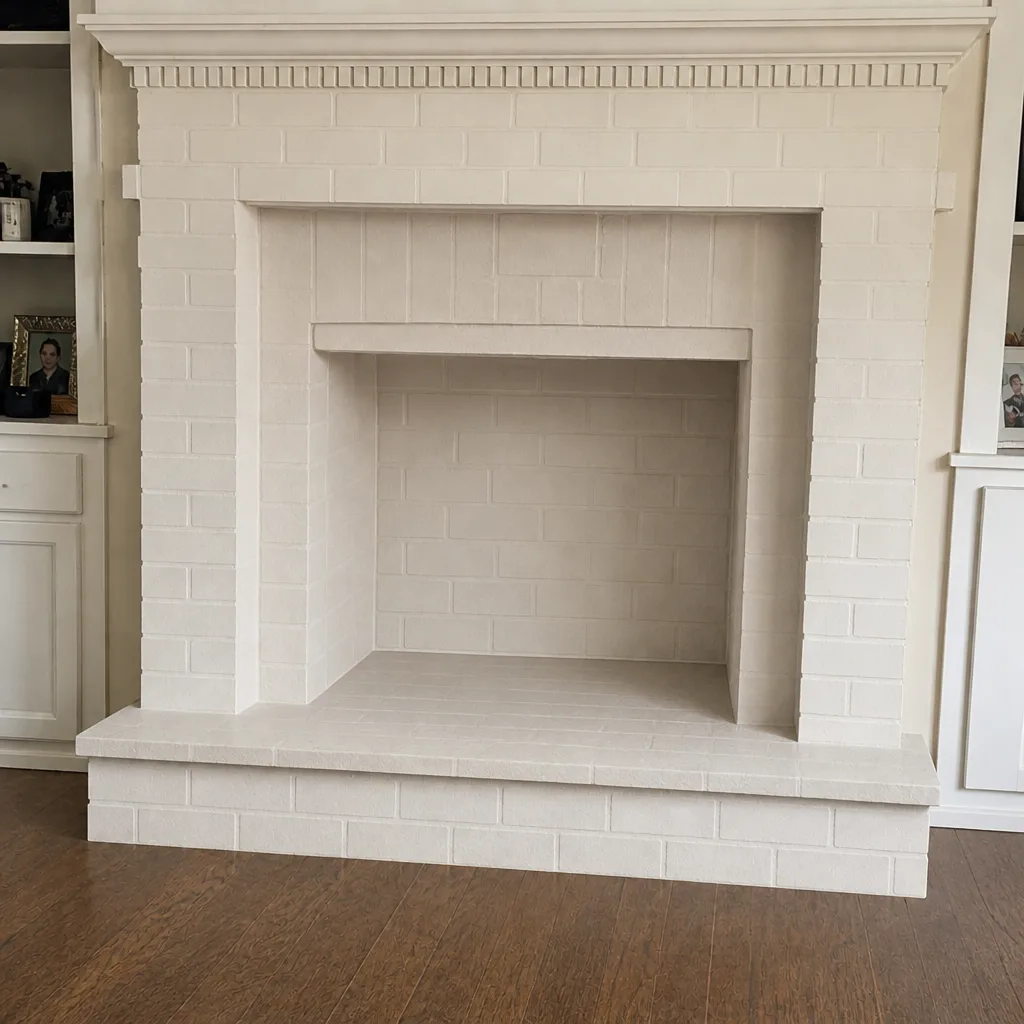 After
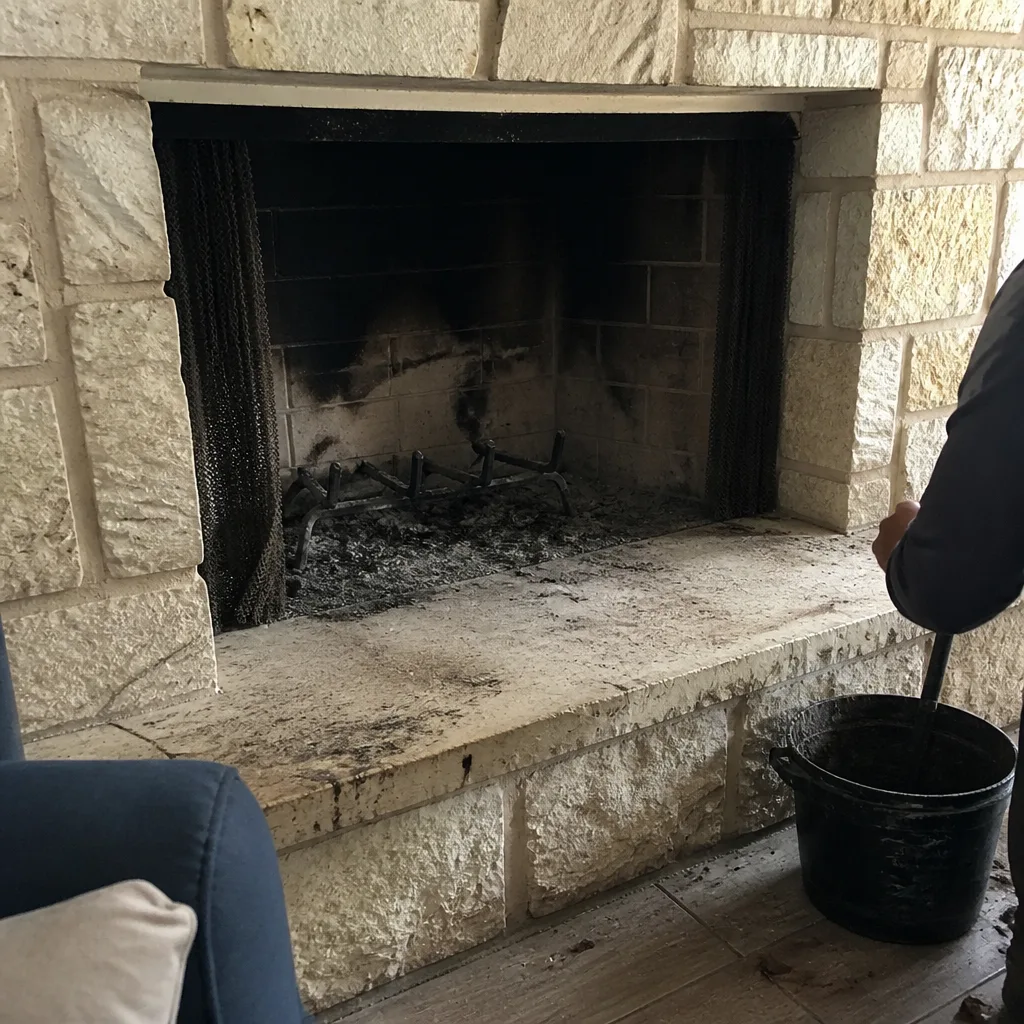 Before
 After
 Before
 After