
Last updated November 25, 2026
 Sweep & inspection
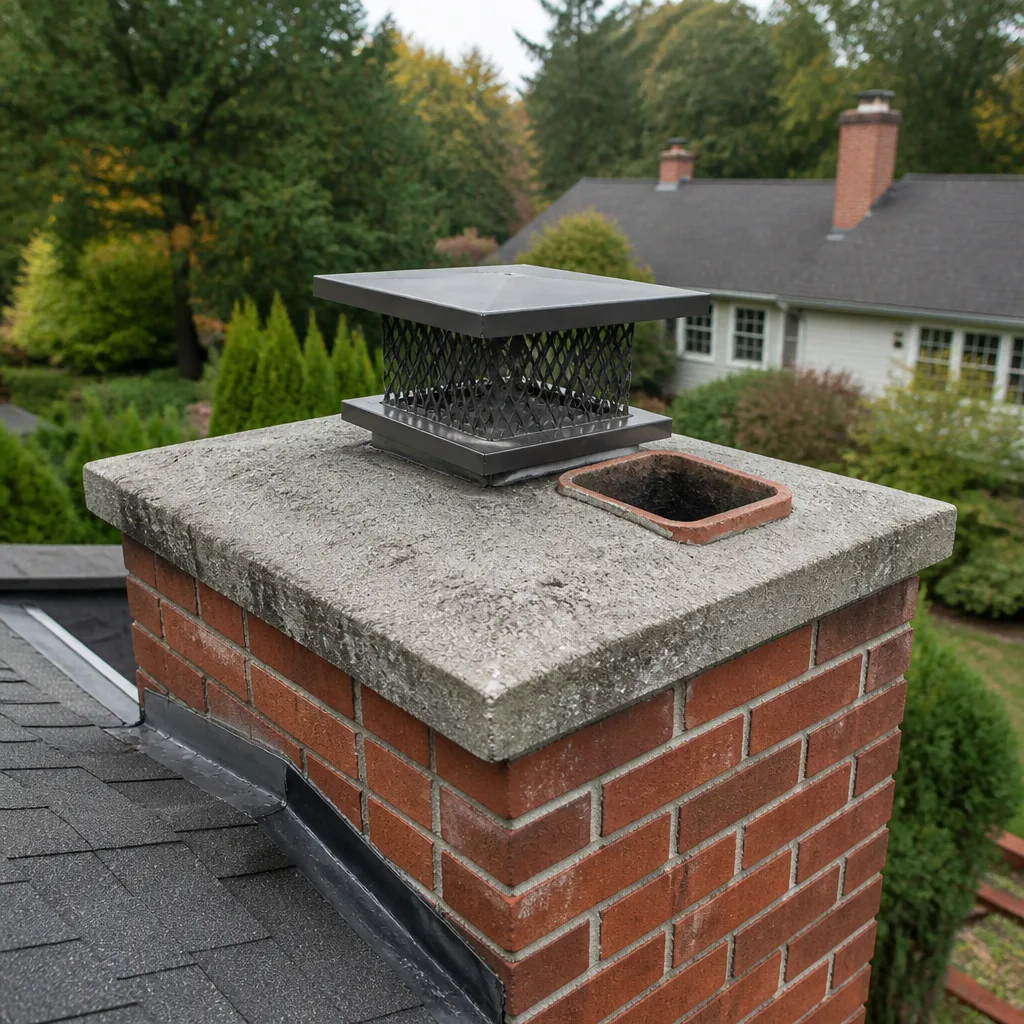
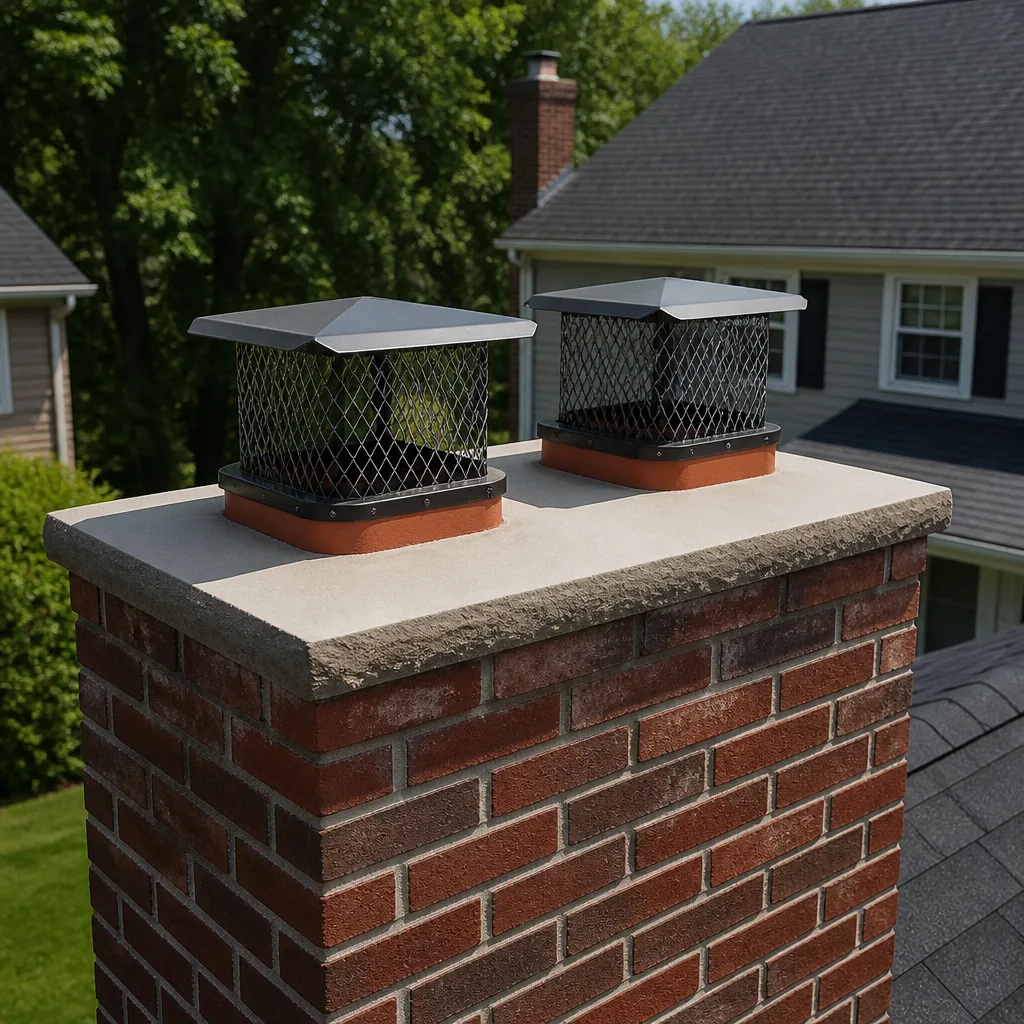 Caps & crowns
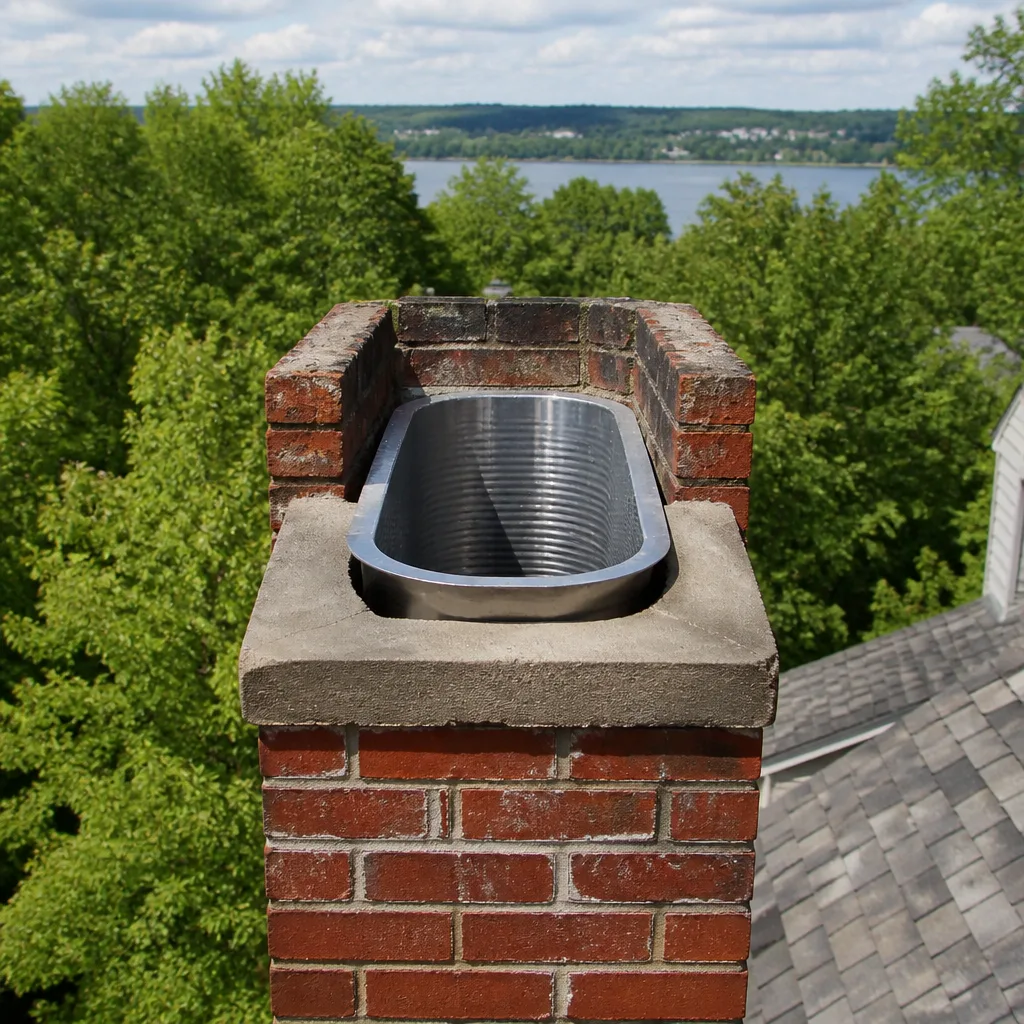 Flue relining
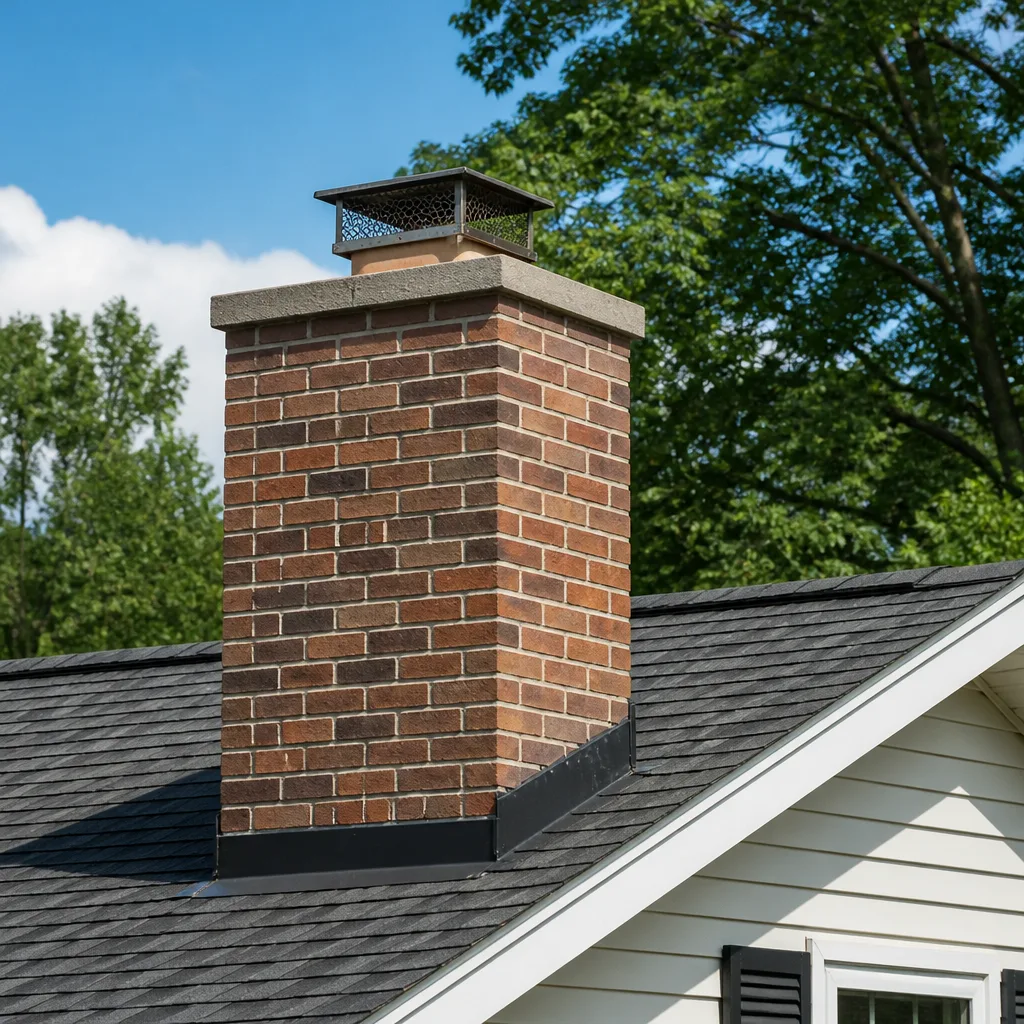 Masonry repair
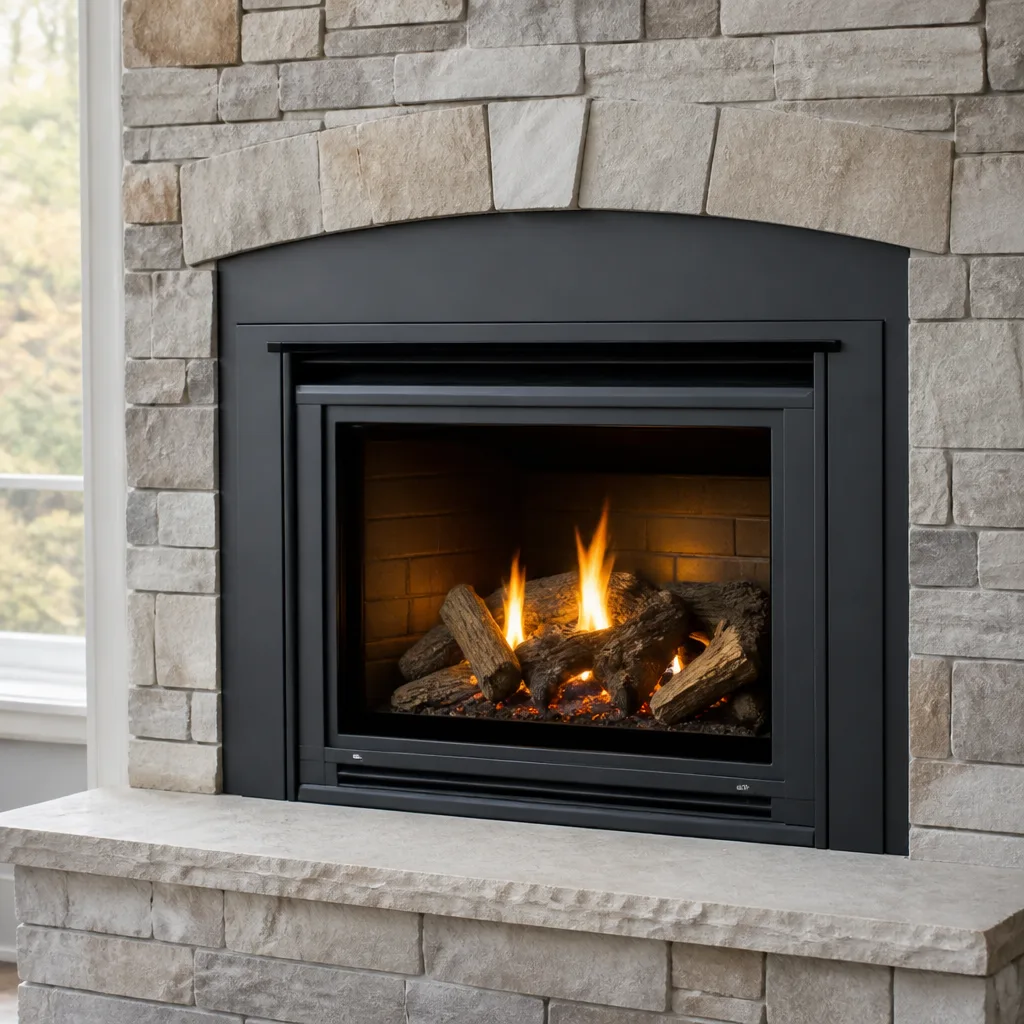 Gas fireplace service
Level 1 sweep and inspection to the NFPA 211 annual standard - flue, crown, cap, and flashing checked and photographed
Chimney sweep logs do not sweep chimneys. They loosen some creosote - which then falls where a brush and vacuum still have to collect it.
Chimney Cleaning Warning Signs: An Uptown Homeowner’s Reference Guide
The warning sign that sends the most Uptown homeowners to the phone isn’t the most dangerous one. A heavy smoke smell is alarming, but it’s usually recoverable. A hairline crack in the crown, noticed during a wet spring, is quiet and can be catastrophic. Most people evaluate chimney problems one symptom at a time, which is exactly how small issues get missed. A rattle alone means little. A stain alone might be old. But a rattle, a stain, and a smoky smell together tell a very different story. This guide teaches pattern recognition instead of symptom lists, so you can cluster what you’re seeing into a risk tier and know what to do next.
Quick Answer
The warning signs that matter most are the ones that cluster. A single cosmetic symptom rarely means a chimney is failing, but three or more operational or structural signs appearing together point to an active problem that should be inspected before the next fire. Signs like white staining on exterior brick, a smoky odor in the room with no fire burning, a damper that rattles or won’t seal, or debris and grit falling into the firebox mean it’s time to stop using the fireplace and get a professional evaluation. Call (855) 814-8019 for a free estimate. We answer 24/7. Fast dispatch from 7am to 7pm, Sunday through Friday.
Styles & brands we work with
- Sweep & inspection
- Caps & crowns
- Flue relining
- Masonry repair
- Gas fireplace service
Table of Contents
- The Three Risk Tiers Every Uptown Homeowner Should Know
- Interior Warning Signs: What You See Inside the Firebox
- Exterior Warning Signs: What’s Visible From the Ground and Roofline
- Efflorescence on Brick: Historic Moisture or Active Water Intrusion?
- Sound and Smell Signatures: Obstruction, Draft Problem, or Liner Failure
- When to Stop Using the Fireplace Immediately vs. When One More Season Is Safe
- Inspection Levels: What Each One Actually Catches
- Choosing the Right Chimney Specialist in Uptown
The Three Risk Tiers Every Uptown Homeowner Should Know
Chimney symptoms fall into three broad categories, and sorting a problem into the right tier is the fastest way to know how urgently it needs attention. Here’s how we organize them in our own work.
Tier 1: Cosmetic
Cosmetic signs affect appearance and efficiency slightly but don’t threaten the structure or safety of the chimney. They’re worth noting and monitoring. Examples include:
- Soot dust on the firebox face after a heavy burn
- A thin film of soot on the glass doors of a gas fireplace
- Minor rust on the firebox grate or a damper handle
- Small spider webs or light dust on the firebrick
Cosmetic findings are the ones that can usually wait for the next scheduled chimney sweep. They don’t require a separate visit unless they’re clustering with other signs.
Tier 2: Operational
Operational signs affect how the chimney functions. Your fire may burn poorly, smoke may spill into the room, or the draft may reverse. These aren’t emergencies in the strict sense, but they tend to get worse. Common operational signs include:
- Smoke rolling into the room when you light a fire
- A strong smoky smell inside the house on days when no fire is burning
- The damper sticking open or closed
- Reduced draft after a cold front moves through Uptown
- Ash or soot falling back into the firebox after windy days
Operational problems frequently stem from blockages, a misaligned damper, or a draft issue that worsens with the seasonal wind patterns we see across Uptown. Most are diagnosable and fixable.
Tier 3: Structural
Structural signs point to a problem in the chimney’s masonry, liner, crown, or cap that will worsen with time and weather. They’re the tier that demands prompt attention. Examples include:
- Visible cracks in the crown or in the brick above the roofline
- White efflorescence on exterior brick, especially new or spreading
- Chunks of flue tile or mortar visible at the bottom of the firebox
- A liner that has separated or collapsed sections
- Water stains on the ceiling or wall next to the chimney chase
Structural findings get our attention first because water damage compounds. A hairline crown crack during a long rainy period is a real concern; the water gets into the masonry and weakens the bond over months, not days, which means the right answer isn’t panic, but it also isn’t waiting. We apply chimney cap & crown work with materials like Gelco caps and HeatShield resurfacing to address these findings directly, without a separate contractor.
Interior Warning Signs: What You See Inside the Firebox
The firebox is where many early warning signs show up first, because it’s where the fire meets the masonry directly. Here’s what to look for inside, roughly in order of concern.
What to check
- The firebrick itself. Hairline cracks in firebrick are normal. Cracks wide enough to fit a coin, missing chunks of firebrick, or firebrick that has shifted out of alignment call for an inspection.
- The mortar joints. Mortar joints should be recessed slightly from the brick face. Deeply eroded joints or joints where you can pick out sand with a fingernail suggest weakening.
- The damper. The damper should open and close smoothly. It should also sit flush when closed. A damper that rattles, sticks, or doesn’t seal is an operational sign.
- The smoke chamber. Look up past the damper. If you see uneven surfaces, crumbling parging, or material hanging loose, that’s a concern worth flagging.
- The floor of the firebox. Ash is fine. Chunks of flue tile, mortar, or brick showing up repeatedly on the firebox floor mean the liner or the smoke chamber is shedding material, which is a structural finding.
- Staining on the firebox walls. Black staining in a fully-burned pattern is normal. White or brown streaking on firebox walls suggests water is getting into the firebox from above.
We see a lot of fireboxes in Uptown that have decades of cosmetic wear and one or two operational findings. What we’re watching for is whether an interior sign pairs with an exterior one. A crumbling mortar joint inside paired with an efflorescence patch outside is not two independent problems; it’s likely one active water source.
What an interior warning sign usually means
- Missing or cracked firebrick: Thermal stress on the firebox, sometimes paired with age of the original build.
- Crumbling smoke chamber: Common in older construction where the parging has eroded. Fixable with resurfacing.
- Debris in the firebox: Could be a failing liner, could be a crown issue letting water in, could be animal activity.
- Smoke spilling into the room: Could be a draft problem, an obstruction in the flue, or a smoke chamber issue.
When fireplace repair is the answer, we handle it inside the same service relationship. Fireplace repair findings almost always pair with something else worth checking, so the two visits belong together.
Exterior Warning Signs: What’s Visible From the Ground and Roofline
Many of the most important warning signs are visible without climbing anything. Here’s what to look for from the ground and, if you can safely view it, from a distance at the roofline.
From the ground
- The crown. The crown is the sloped concrete or masonry cap at the very top of the chimney. It should be intact and slope away from the flue. Visible cracking, spalling, or a crown that looks flush or sagging means it’s lost its water-shedding slope.
- The cap. A chimney cap should have a solid top with mesh sides, sized to fit the flue. A missing cap, a rusted-through cap, or a cap sitting crooked is a finding worth acting on.
- Exterior brick staining. White efflorescence, dark water streaks below the roofline, or green algae patches all tell you water is spending time where it shouldn’t.
- Masonry separations. Vertical cracks at the corners where the chimney meets the house siding often signal that water has moved into the joint.
- Mortar joint wear. Look at the horizontal lines between bricks. Deeply recessed or missing mortar on the upper courses is a sign the chimney has been taking on water for a while.
At the roofline (viewed safely from the ground)
- Flue tile condition. If the flue tiles sticking out of the crown look broken, missing, or misaligned, the flue liner above the roofline has problems.
- Cap screen condition. Torn or missing mesh is an open door for birds and squirrels, especially in the mature tree canopy neighborhoods around Uptown.
- The chase cover (for prefab chimneys). Rusted or dented chase covers let water straight into the firebox.
- Visible smoke from the chimney on a day with no fire. If you see what looks like smoke but there’s no fire, that’s often sun or light haze. If you see actual smoke or smell it, call.
Our position on exterior findings is simple: the crown and cap are the first line of defense. When they fail, everything below them takes on water. We fit Gelco caps and rebuild crowns with an eye to what the Uptown climate actually throws at a chimney, because a cap sized for a milder climate won’t last here. When the exterior findings are more than cosmetic, it’s time for a professional evaluation.
Efflorescence on Brick: Historic Moisture or Active Water Intrusion?
White, chalky staining on brick is efflorescence. It’s the mineral salts in the brick migrating to the surface as water moves through and evaporates. Efflorescence is the single most misunderstood chimney warning sign we encounter in Uptown, because it appears on chimneys that are working perfectly and on chimneys that are actively leaking.
The difference isn’t in whether the stain exists. It’s in how the stain behaves.
Historic moisture (usually fine to monitor)
- The stain is dry, powdery, and doesn’t change with the seasons
- It’s confined to one patch and hasn’t spread since you bought the home
- It wipes off with a dry brush, and there’s no new bloom after a wet week
- The chimney has no other symptoms you’re tracking
Historic efflorescence most often reflects moisture the brick absorbed years ago. If it’s stable, it’s cosmetic. Monitor it during the next wet season and see if it grows.
Active intrusion (evaluate promptly)
- The stain appears fresh after rain and dries out during dry stretches
- It’s growing, spreading, or showing up in new locations on the same chimney
- It pairs with interior signs (crumbling mortar, water streaks inside the firebox, damp smell on rainy days)
- There’s visible salt crystal formation or bubbling paint on the brick face
- There’s a cracking or missing crown above the stained area
Active intruding efflorescence means water is entering the masonry and moving through it right now, which is the condition that shortens the life of the entire chimney. The fix is usually a crown repair or rebuild, a new cap, or re-pointing the affected joints, but the fix only works if it’s chosen for the water path you actually have. That’s why we photograph the crown and cap during a sweep and show you what’s going on. Nothing is recommended without camera evidence you can see for yourself.
If the efflorescence is confined to a historic patch with no active signs, we tell you to watch it and don’t schedule additional work around it. Not every finding is a repair job, and clamping down on that distinction is part of what a Level 2 inspection gives you.
Sound and Smell Signatures: Obstruction, Draft Problem, or Liner Failure
Chimney sounds and smells tell you a lot about what’s happening inside the flue without any demolition. Here’s how we read them.
Sound signatures
- Rattling or scraping in a wind, even when no fire is lit: Usually a loose damper. Occasionally a loose cap. Rarely a sign of anything structural, but worth checking.
- Ticking or dripping from inside the chase on rainy days: Water is getting in. Crown or cap is the likely culprit.
- Rushing-air noise that changes with weather: Draft fluctuations. Old houses around Uptown often have this to some degree. Not typically a repair driver on its own.
- Scratching, fluttering, or chittering: Animal activity. Birds and squirrels frequently find their way into uncapped flues, especially in neighborhoods with mature trees.
- Loud pops or bangs during a fire: Stop using the fireplace. Could be a firebox material failure or a liner issue, and both need prompt evaluation.
Smell signatures
- Smoky smell with no fire, worse on humid or rainy days: Usually a downdraft, or a small amount of creosote off-gassing. Recoverable and often draft-related.
- Strong smoky smell persisting for days: Could be a draft problem, an obstruction, or a sign of a partially blocked flue.
- Sharp, acrid, or chemical smell: Often a creosote buildup releasing volatile compounds. Higher concern, especially if you burn unseasoned wood.
- Damp or musty odor from the firebox: Water intrusion somewhere in the chimney. Usually pairs with an exterior finding.
- A smell of gas with a gas fireplace: Stop using it and call a professional. This can be a real safety concern and should be checked right away.
Reading the combination
A smoky smell alone is often benign. A smoky smell combined with white staining and a rattling damper is a different problem entirely, one that usually points to a draft issue rooted in water damage. That’s the pattern-reading exercise that most symptom lists skip. Two symptoms together tell you far more than either alone.
The signature table
- Sound: rattling damper. Smell: none. Tier: Operational. Fixable with a damper adjustment or replacement.
- Sound: ticking/dripping. Smell: damp. Tier: Structural. Water intrusion, crown or cap likely.
- Sound: rushing air. Smell: smoky on humid days only. Tier: Operational. Draft issue.
- Sound: loud pops during a fire. Smell: sharp or acrid. Tier: Structural. Stop using and inspect.
- Sound: scratching or fluttering. Smell: pest odor. Tier: Operational to structural depending on duration. Cap needed.
- Sound: none. Smell: gas from a gas fireplace. Tier: Structural. Stop using immediately.
That’s the pattern table we’d walk you through during a sweep or inspection. It covers most of what we see on Uptown calls, and it’s a starting point, not the whole picture, because the flue itself always gets a camera check.
When to Stop Using the Fireplace Immediately vs. When One More Season Is Safe
This is the question Uptown homeowners ask us most often: is it safe to burn tonight, or do I need to wait? Here’s the honest split.
Stop using the fireplace immediately if you notice:
- Visible smoke entering the room during a fire. This is the clearest sign that combustion products aren’t leaving the way they should.
- Chunks of flue tile, mortar, or brick at the firebox floor. The liner is shedding material, and continuing to burn risks a flue fire.
- A strong creosote smell that doesn’t clear after the fire is out. Heavy creosote buildup is a real fire risk.
- A visible fire in the flue or a roaring noise while burning.
- Damper that won’t open or won’t seal. You can’t control the fire or vent it, so don’t light one.
- A gas smell with a gas fireplace, or any mechanical failure in a gas firebox.
- Cracks in the smoke chamber or visible parging failure. These compromise the path smoke takes.
One more season (with monitoring) is usually safe when:
- The only finding is cosmetic, like soot dust or minor firebox staining
- A single historic efflorescence patch has been stable for months
- The chimney cap has cosmetic wear but is doing its job
- The crown has a small, non-growing crack and no interior signs pair with it
- The flue was swept at the start of the season and a Level 1 inspection found no concerns
Here’s the honest version of that second list: “one more season” is overused as permission when the right answer is often “let’s schedule a sweep before the next burn.” Call (855) 814-8019 for a free estimate. We answer 24/7. Fast dispatch from 7am to 7pm, Sunday through Friday.
The distinction isn’t about urgency for its own sake. It’s about whether the risk is currently active or potential. Active risk means stop. Potential risk means monitor and get ahead of it. When we sweep a chimney and find nothing, we say so. That’s the whole point of including camera inspection and a photo report with a sweep.
Inspection Levels: What Each One Actually Catches
Note that a chimney inspection isn’t a single thing. The industry breaks it into levels, and each one catches different warning signs. Knowing what each level covers helps you know whether your symptoms warrant more than a sweep.
Level 1 inspection (with a routine sweep)
Level 1 is the visual inspection that comes with a sweep. It covers the readily accessible portions of the chimney: the firebox, damper, smoke chamber, flue opening, and the visible flue above the roofline. It catches the majority of common warning signs, including most cosmetic and many operational findings.
Level 1 is right when you’re burning normally, the chimney has no known issues, and nothing has changed since the last inspection. Most homes get a Level 1 each season.
Level 2 inspection
Level 2 adds a camera inspection of the flue interior. It catches findings Level 1 can miss: early liner cracks, misaligned flue tiles, hidden water intrusion, and the true condition of the smoke chamber. It’s what we recommend after a home purchase, if there’s been a flue fire, after structural changes to the home, or if the type of appliance has changed.
Level 2 is what pairs with the specific clustering question this guide is about: if you have several symptoms that don’t quite fit a cosmetic explanation, Level 2 gives you answers. We include a camera inspection and photo report so you can see what we see.
Level 3 inspection
Level 3 involves opening up the chimney chase or masonry to inspect concealed areas. It’s rare, and it’s typically warranted only when a Level 2 has surfaced a serious concern that requires direct access to diagnose.
Level 3 is almost never a first step. If someone recommends it without having done a Level 2 first, ask why.
What we actually do on a typical Uptown visit
- Level 1 visual inspection and sweep
- Camera inspection of the flue
- Photo report with our findings
- Written estimate for anything that needs repair under the chimney cap & crown or fireplace repair scope
- Flat-price sweep agreed before booking, no surprises
That’s what we mean by professional-grade materials matched to what the flue actually needs. A DuraFlex liner, a HeatShield resurfacing, or a Gelco cap, sourced through Olympia Chimney and Famco, is specified for the finding, not for a general upsell. We don’t just find the problem. We fix it.
Choosing the Right Chimney Specialist in Uptown
Choosing the right specialist in Uptown matters more than choosing the lowest quote, because chimney work is specialized. A general handyman who can re-point a brick isn’t going to read the layer of evidence the way a chimney focus does.
What to look for
- Chimney-only focus. A company that handles sweep, inspection, cap and crown, fireplace repair, and structural chimney repair under one roof can carry an issue from finding to fix without handing you off.
- Name the materials. When you ask about a repair, ask what brand of cap or liner or resurfacing material is going in. A crew that installs DuraFlex, HeatShield, and Gelco products can tell you why each one is chosen.
- Camera inspection and photo report. If a sweep doesn’t include a camera and a photo report, you’re being asked to trust a finding you can’t see.
- Written estimate before booking. A written estimate means the price is set before anyone starts work.
- Explicit honesty about waiting. A specialist should tell you when a finding can safely wait, not just when they can come out.
What to be skeptical of
- Sales pressure to rebuild or reline on the same visit as a sweep
- Quotes with no photo evidence backing them
- Sweeps that don’t inspect the flue with a camera
- People who can’t identify the material they install, or who call everything “a liner issue”
- Estimates over the phone before any inspection has happened
The local pro is licensed and insured as their state requires. Ask to see it if you’re unsure. Our technicians have up to 12 years of experience, and we plan our work for the Uptown market honestly: the mild wet season here is a bigger factor in chimney condition than the winter cold, because water intrusion is the number one cause of long-term masonry failure in the area.
Common Mistakes to Avoid
- Treating each warning sign in isolation. A smoky smell alone might be a draft issue. A smoky smell with white staining and a rattling damper together is a different diagnosis entirely. Always look for the cluster before deciding what to do.
- Assuming white brick means nothing. New or spreading efflorescence on Uptown brick almost always means water is moving through the masonry right now. It’s worth a proper look rather than a wire brush.
- Skipping the camera during a sweep. A Level 1 visual inspection is fine for a routine sweep, but a camera inspection is what catches early liner cracks before they become structural.
- Burning while the cap is broken or missing. It’s not just about pests. A missing cap lets water into the flue all wet season, which is what turns a small crown issue into a bigger masonry repair.
- Accepting a rebuild quote on the same visit as a sweep. A chimney doesn’t need a rebuild because someone said so on the same day. Ask for a camera report and a written estimate.
- Putting off a Level 2 the season after a flue fire. A flue fire often weakens the liner invisibly, and the standard follow-up is a camera inspection. Uptown homes sometimes miss this because the fire is forgotten once the visible cap looks fine.
- Choosing a general handyman for crown work. A crown that’s rebuilt with the wrong slope or the wrong material will fail again within a few seasons. It’s a narrow skill, and getting it right the first time is cheaper than re-doing it.
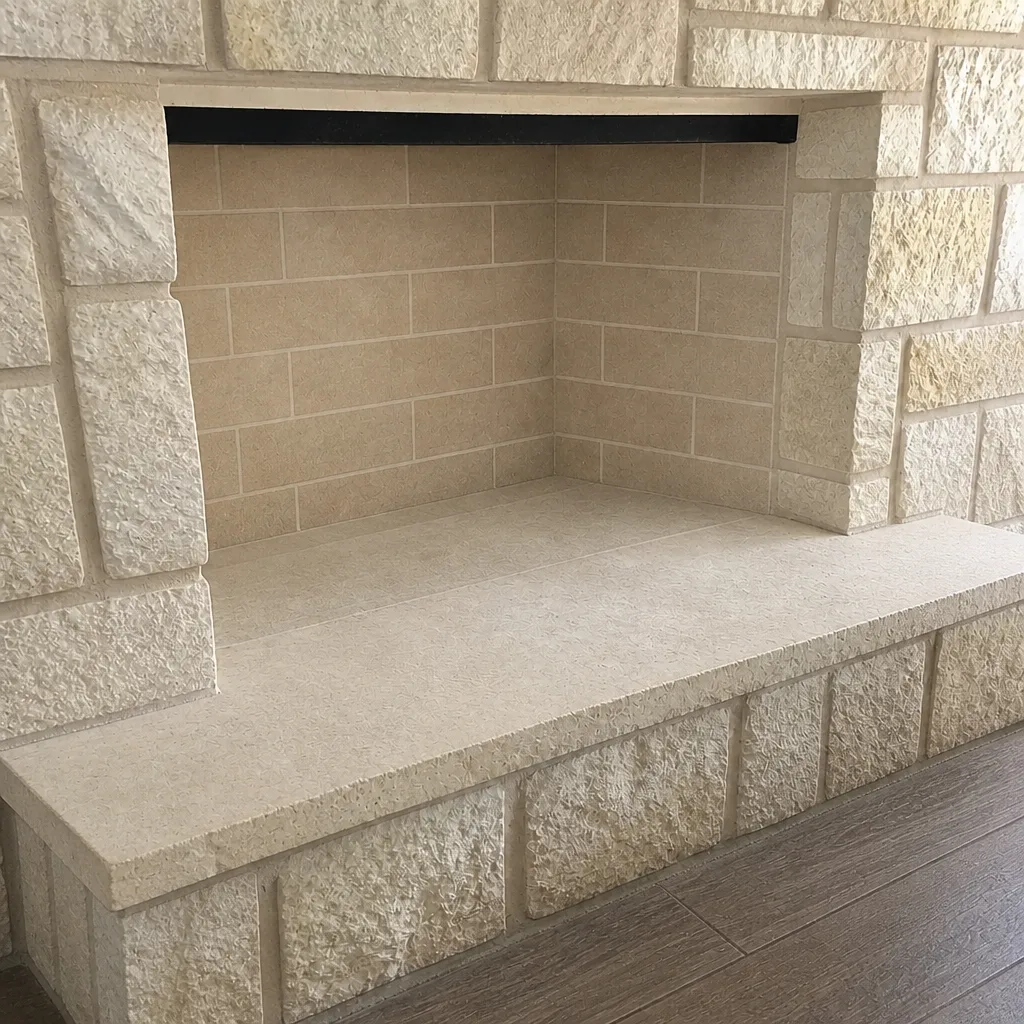
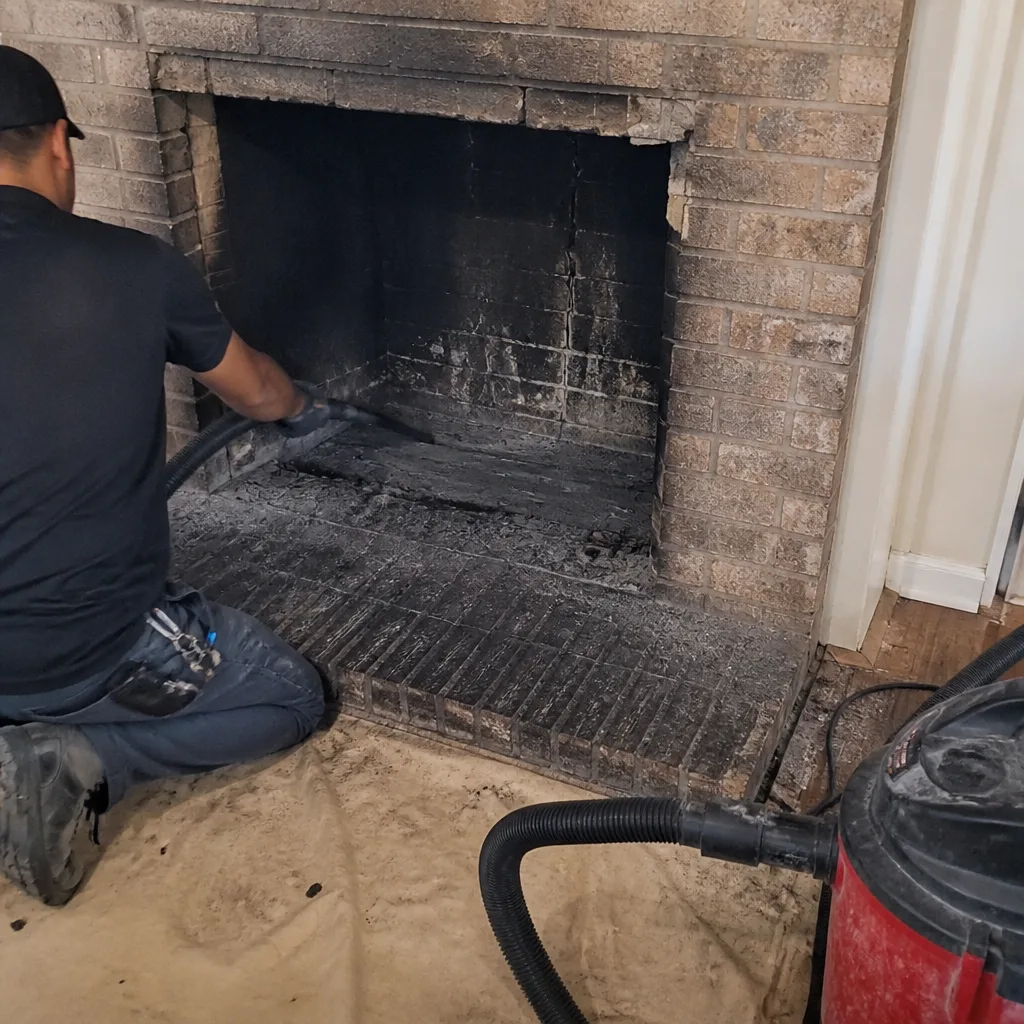
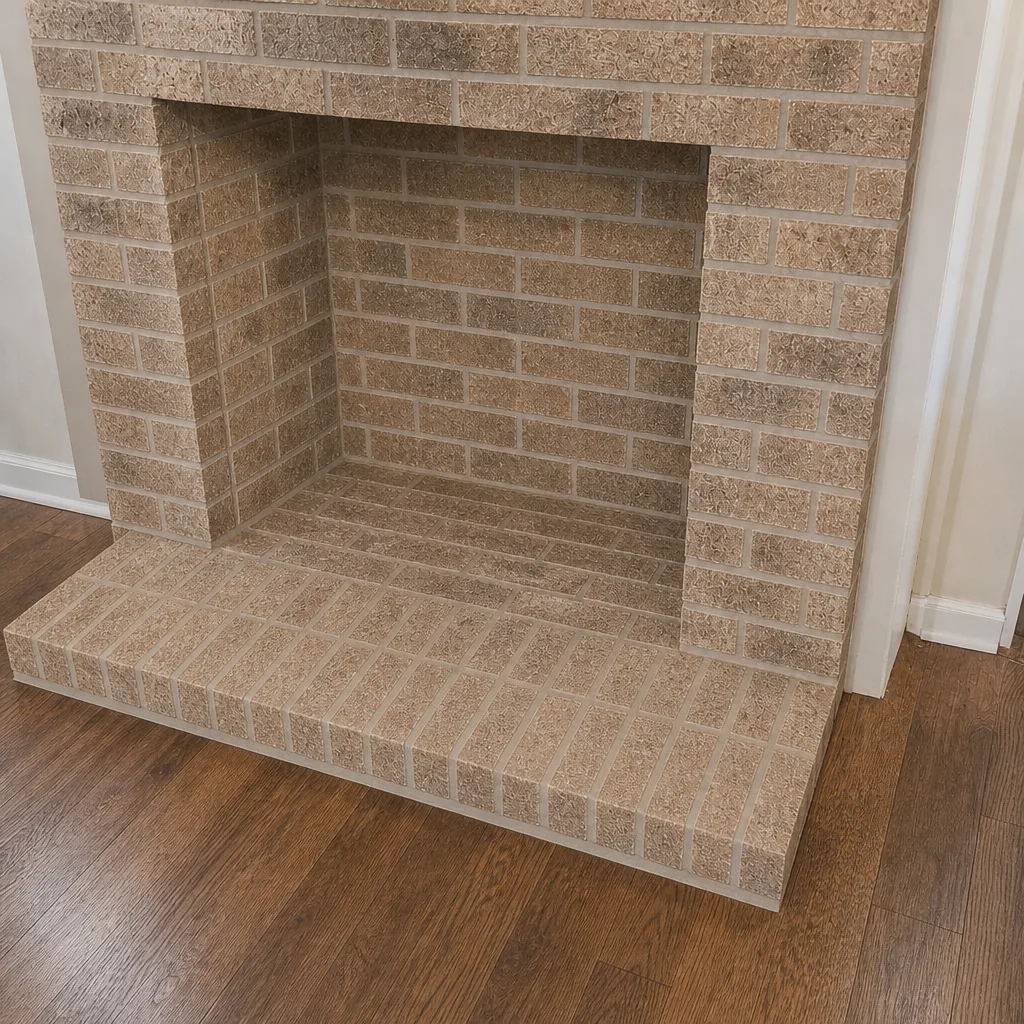
See the difference
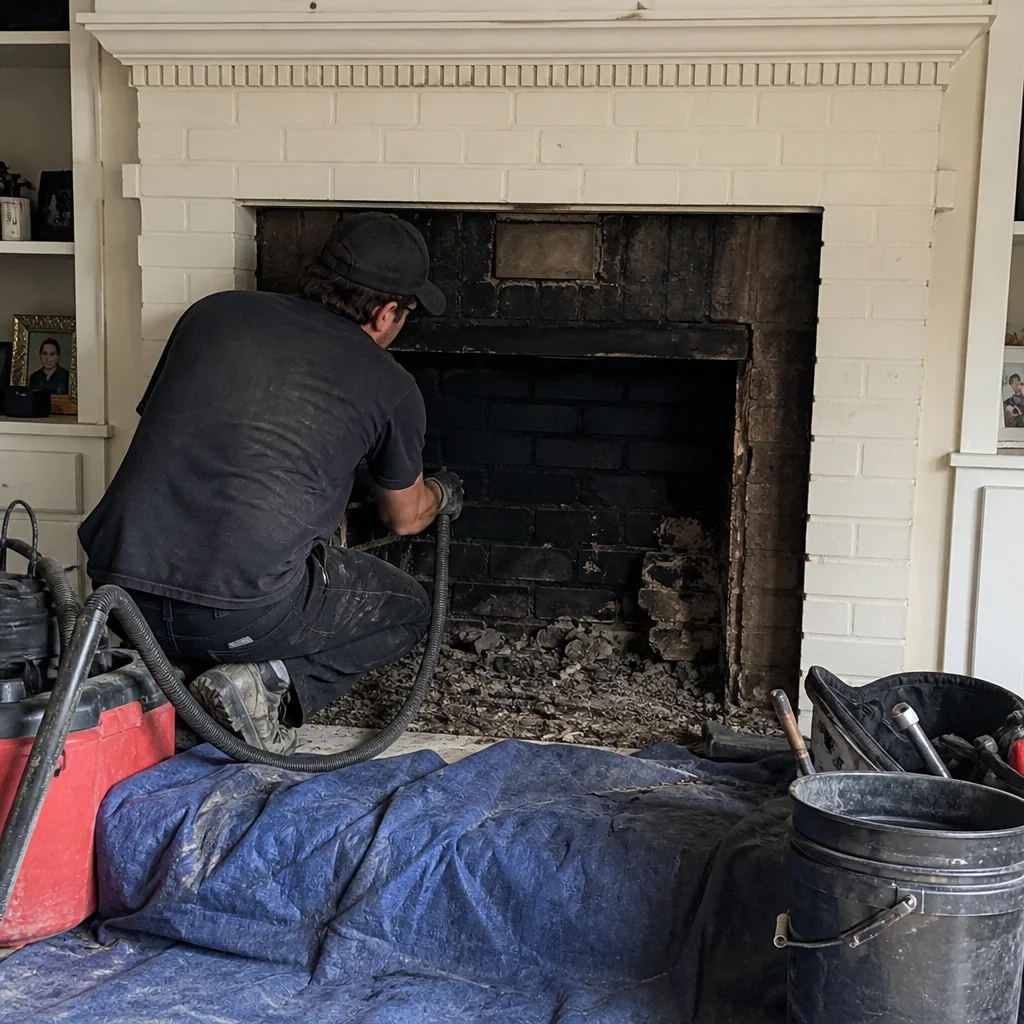 Before
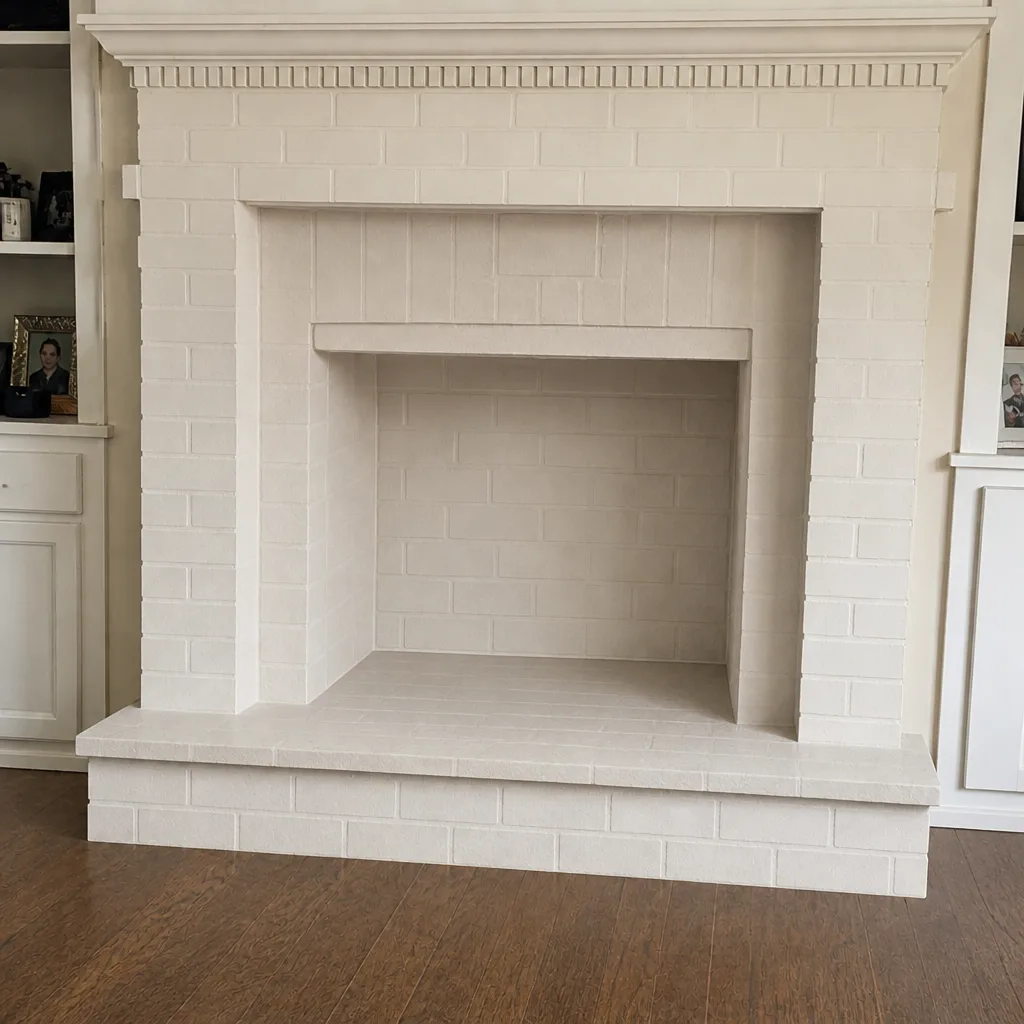 After
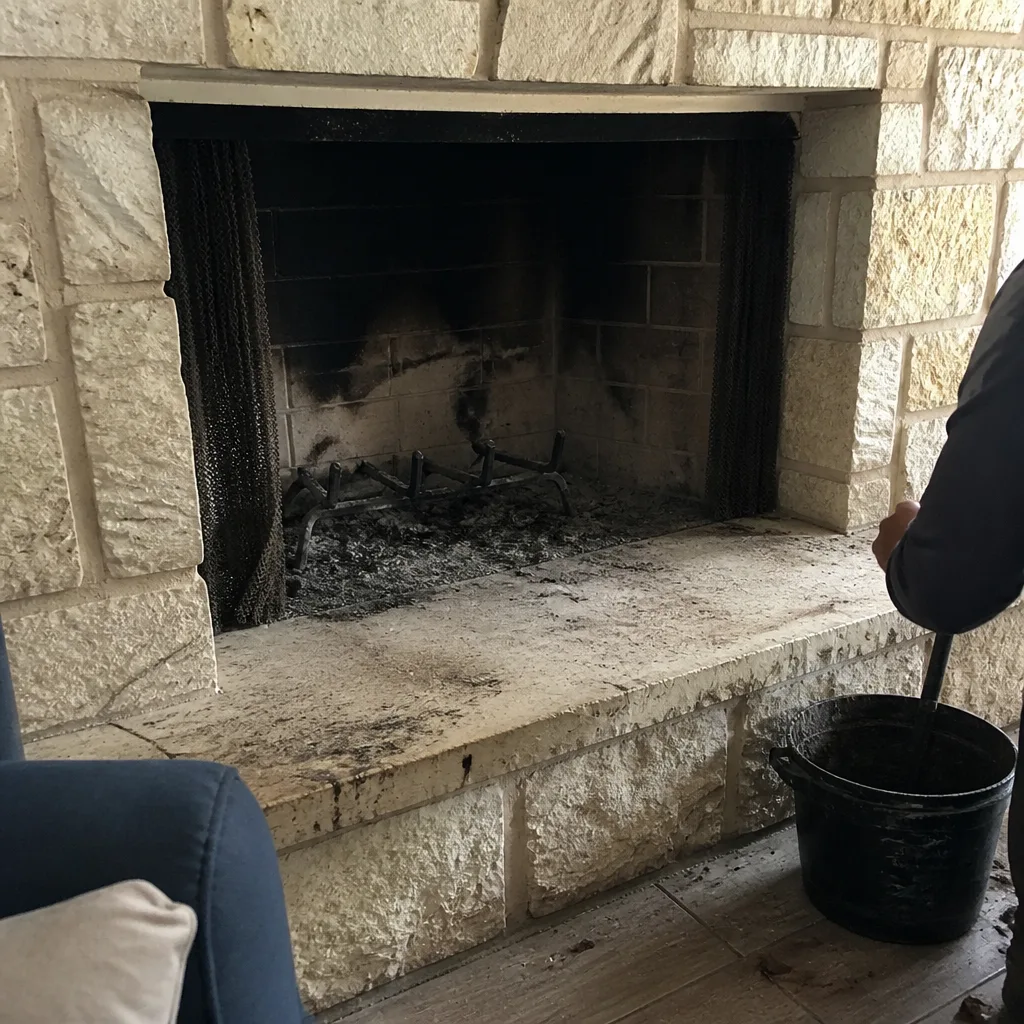 Before
 After
 Before
 After
When to Call a Professional
Call a professional if any of the following apply: you’re seeing more than one warning sign from the operational or structural tiers cluster together; you’ve noticed new white staining, cracking, or water streaks on the exterior; you’ve had smoke roll into the room; you’ve had a flue fire; you’re unsure when the chimney was last swept; or you’ve never had a camera inspection of the flue. Also call if you’ve just purchased an Uptown home and haven’t had the chimney inspected yet. Same list applies if someone has recommended a rebuild or reline, but without showing you camera evidence. Chimney Sweep Uptown offers free estimates in Uptown. Call (855) 814-8019. We answer 24/7. Fast dispatch from 7am to 7pm, Sunday through Friday.
Frequently Asked Questions
A chimney sweep in Uptown is priced per job by a written estimate, and the estimate is free. The final price depends on the flue size, the level of buildup, and whether camera inspection is included, and we agree the flat price before booking. Call (855) 814-8019 for an exact quote.
Only if a camera inspection shows a reason for one. A liner that’s intact and aligned doesn’t need replacement no matter how old it is. If a liner is cracked, misaligned, or has failed sections, a DuraFlex liner is one of the professional replacement options, but the right answer comes from the camera, not from a sales pitch. Call for an exact quote if you want the finding reviewed with a photo report.
Most chimneys used for wood burning should be swept once a year, or more often if you burn heavily. Gas fireplaces typically need an inspection that’s less frequent, but you should still get a camera look at the flue once the fireplace is in service. If you’re not sure of the last sweep, book one. Call for an exact quote.
The risk doesn’t appear overnight; it accumulates. Soot and creosote build up on the flue walls, which increases fire risk and reduces draft. Water intrusion that would have been caught during a sweep keeps working into the masonry, which is how a small crown crack becomes an actual rebuild. The cost of catching it early is always lower than the cost of catching it late. Call (855) 814-8019 for a free estimate.
No, but it depends on the pattern. A dry, powdery stain that hasn’t changed in years is often historic moisture and can be monitored. Fresh, spreading, or new staining after rain means water is moving through the masonry right now, and that should be evaluated with a camera and photo report. Call for an exact quote if you want a professional read.
No, and we won’t. Any recommendation without camera evidence is a guess, and the honest answer to a chimney question often depends on what the camera shows. We include camera inspection and a photo report with the sweep so you can see what we see. If the camera shows nothing that needs repair, we say so. Call for an exact quote to get started.
The Bottom Line
Chimney warning signs are read in combination, not one at a time. Sorting what you’re seeing into cosmetic, operational, and structural tiers is the fastest way to know whether you’re watching, scheduling, or stopping use tonight. Efflorescence, smoky smells, rattle in the damper, and debris in the firebox are the signs we read most often, and the pattern they form together is what determines urgency. If you’re not sure which tier you’re in, get a camera report rather than assume. Chimney Sweep Uptown handles sweep, cap and crown, fireplace repair, inspection, and structural repair under one roof, so a finding in the sweep and a fix for it stay in the same conversation. From inspection to repair: one company, one standard of work.
Call (855) 814-8019 for a free estimate. We answer 24/7. Fast dispatch from 7am to 7pm, Sunday through Friday. You can also see our full range of work at Chimney Sweep Uptown.
Written by the team at Chimney Sweep Uptown.