
Last updated November 25, 2026
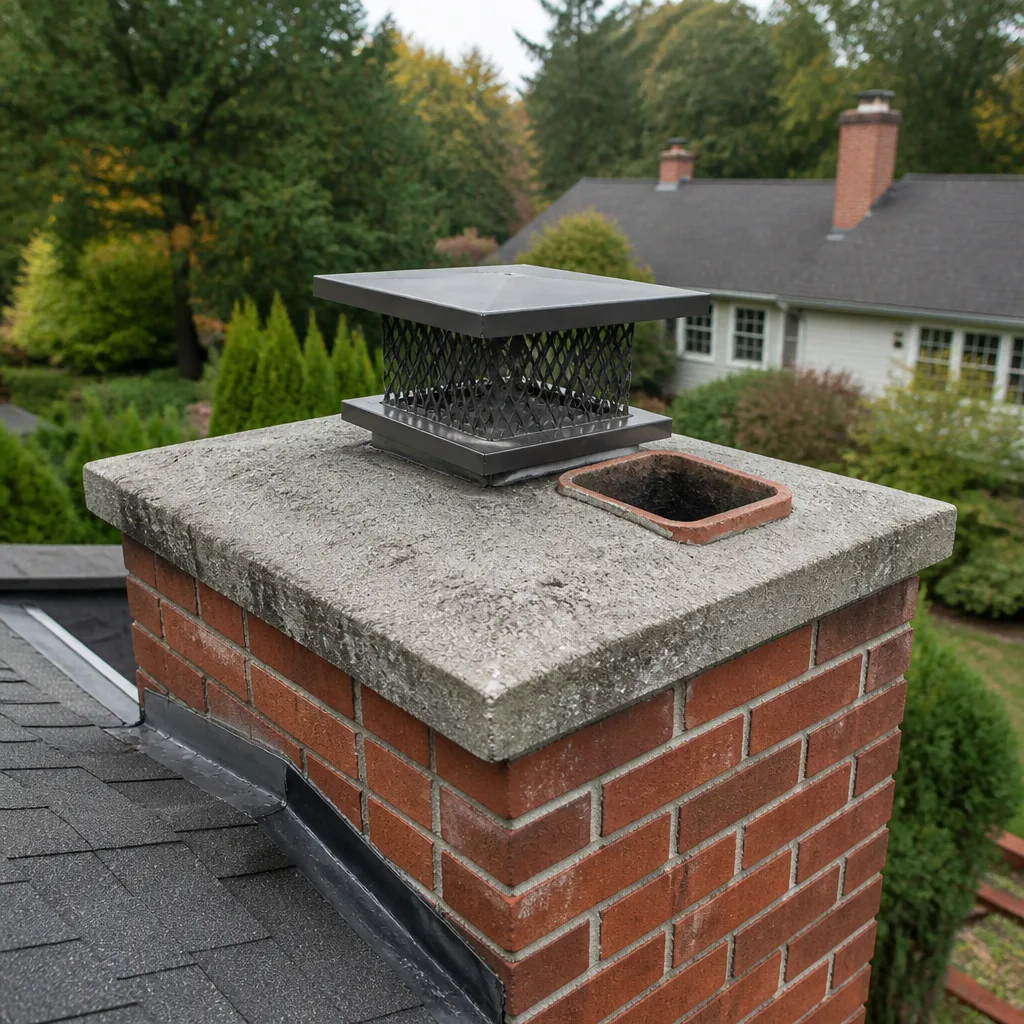 Sweep & inspection
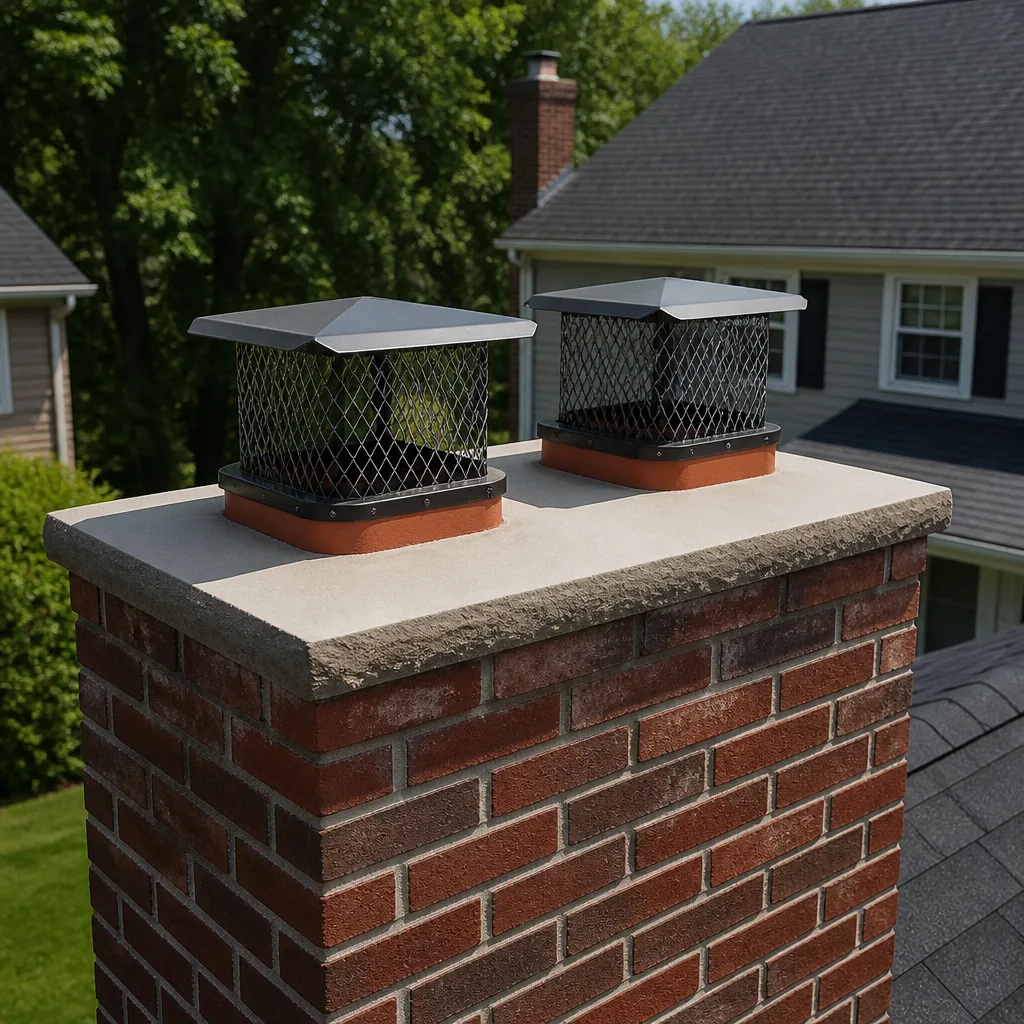 Caps & crowns
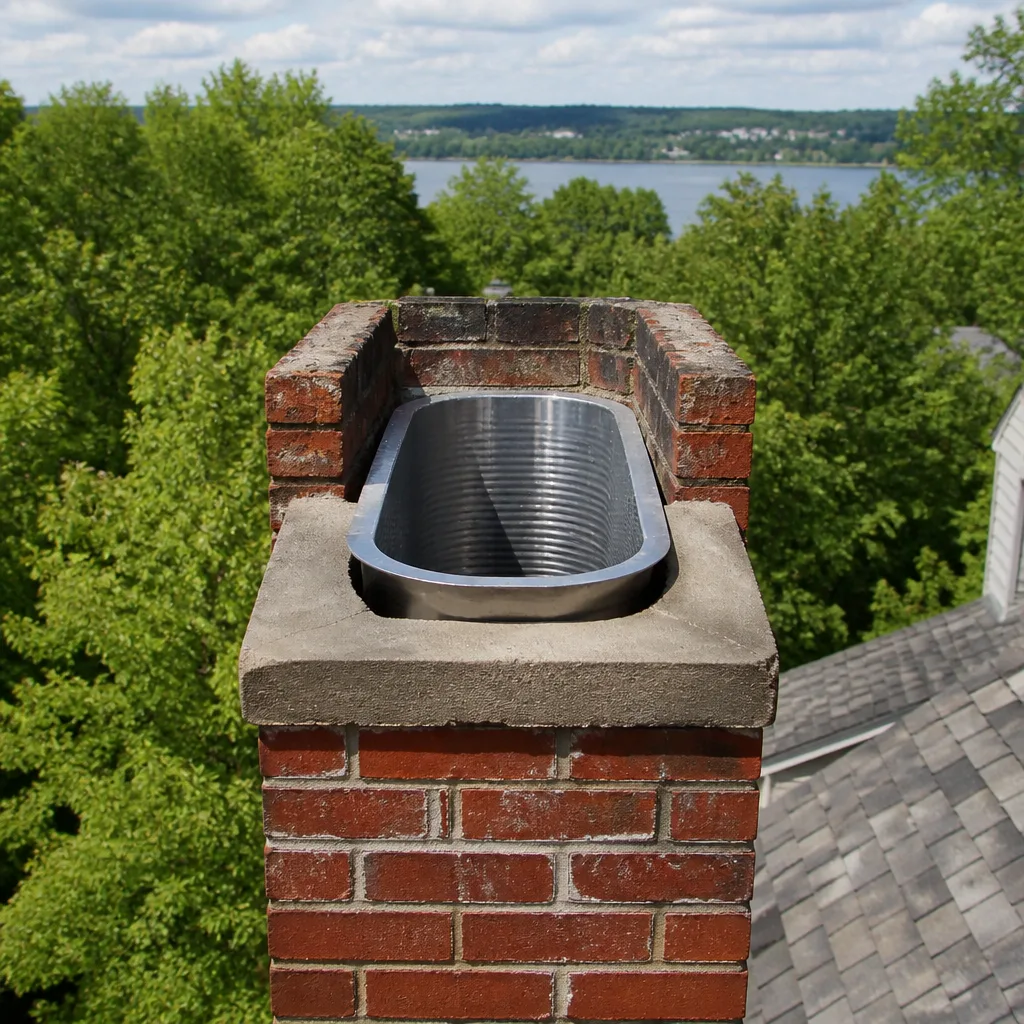 Flue relining
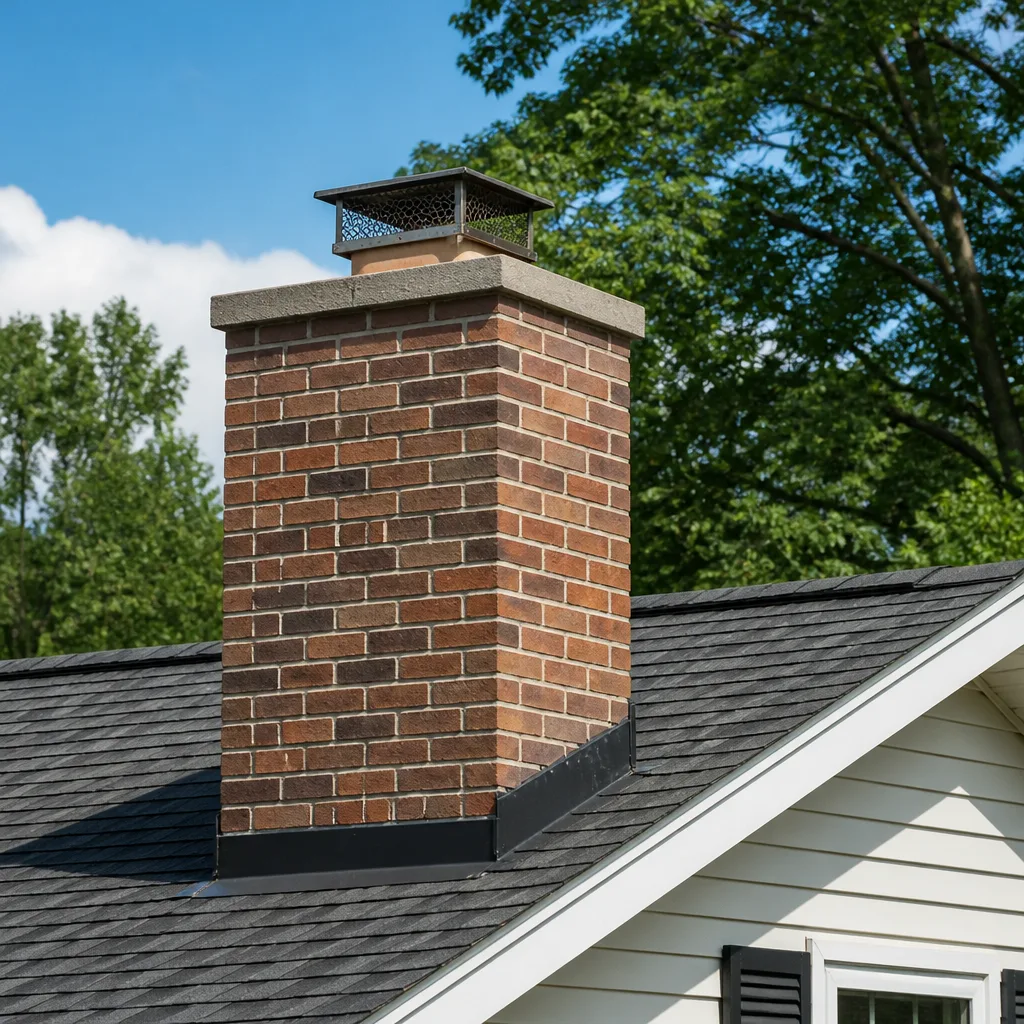 Masonry repair
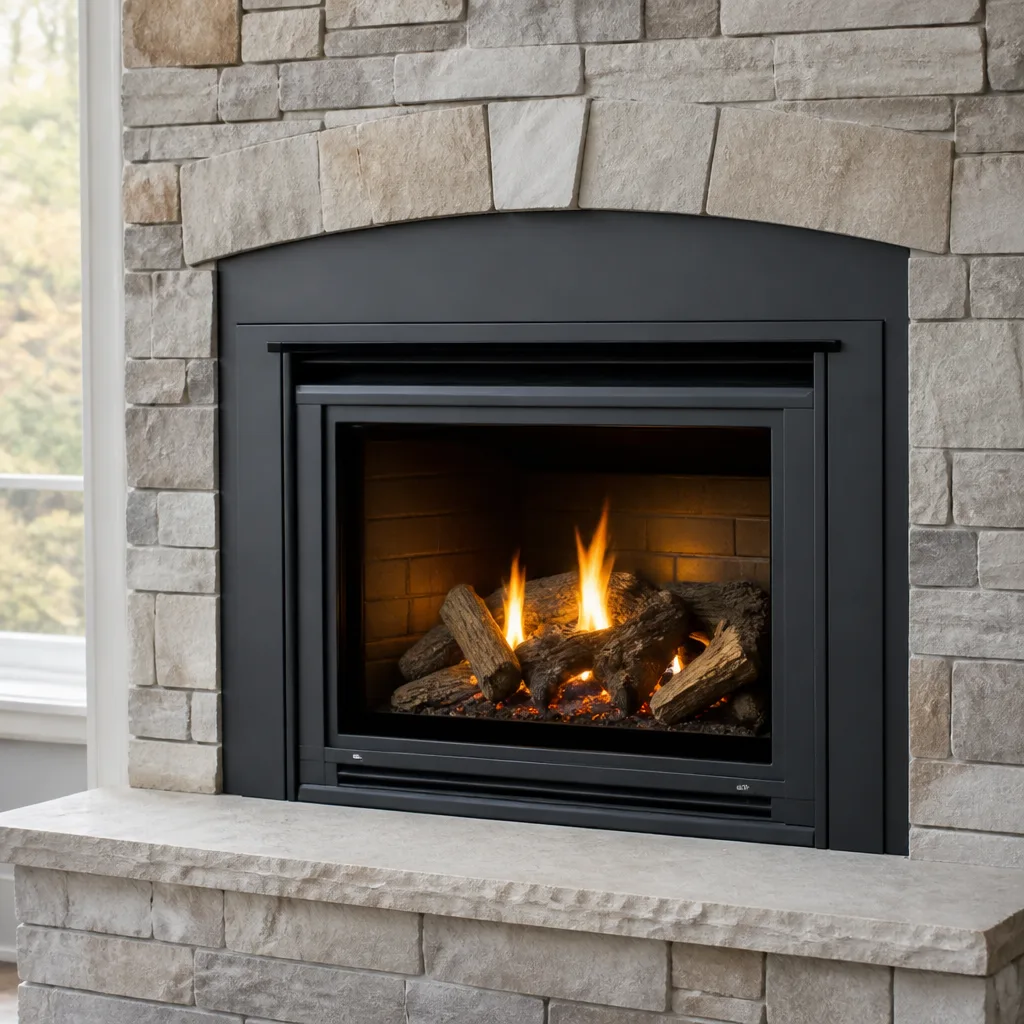 Gas fireplace service
Level 1 sweep and inspection to the NFPA 211 annual standard - flue, crown, cap, and flashing checked and photographed
Chimney sweep logs do not sweep chimneys. They loosen some creosote - which then falls where a brush and vacuum still have to collect it.
Chimney Cleaning Emergency Preparedness Guide for Uptown Homes
A chimney fire is loud, visible, and terrifying, and most fireplaces survive it if you act correctly in the first 90 seconds. The deadlier emergencies are the ones that give no warning at all. Carbon monoxide seeping through a cracked flue tile and a liner quietly failing behind a wall of masonry announce nothing. One emergency demands a rehearsed sequence of actions. The other demands a schedule of inspection and the ability to read what that inspection finds. This guide covers both. It lays out exactly what to do during an active chimney fire, how to detect CO intrusion before symptoms appear, how to safely close off a chimney afterward, what to photograph for an insurance claim, and why a chimney that looks perfectly intact cannot be used again until a Level 2 inspection clears it. We’ve written it for Uptown homeowners who want a plan in place before they ever need one.
Quick Answer
If you suspect an active chimney fire, call 911 first, then close the damper if it’s safe to reach, get everyone outside, and don’t re-enter. For the slower emergencies, the ones that build over months and years, the answer is preparedness: an annual chimney sweep, a Level 2 inspection when anything has changed, and working carbon monoxide alarms on every level of the house. In Uptown, where winters are mild and fireplaces run in shorter bursts through the cooler months, sweeping should happen before the first burn of the season so soot and creosote never get a chance to accumulate unnoticed.
Styles & brands we work with
- Sweep & inspection
- Caps & crowns
- Flue relining
- Masonry repair
- Gas fireplace service
Table of Contents
- The Two Kinds of Chimney Emergency
- What to Do in the First 90 Seconds of a Chimney Fire
- Carbon Monoxide: The Emergency That Gives No Warning
- How to Safely Close Off a Chimney After an Emergency
- What to Document After a Chimney Emergency
- The Post-Emergency Inspection Sequence
- Building an Emergency Preparedness Plan for Your Uptown Home
- Monthly and Seasonal Checks You Can Do Safely
The Two Kinds of Chimney Emergency
Chimney emergencies split into two categories, and confusing one for the other is where homeowners get hurt. The acute emergencies are the ones everyone imagines: a roaring chimney fire, a sudden collapse of creosote that blocks the flue, a bird nest that drops into the smoke chamber and sends smoke pouring back into the living room. These are events. They have a beginning, a crisis, and an aftermath, and you can rehearse your response to them the same way you rehearse a fire drill.
The slow-motion emergencies don’t announce themselves. A hairline crack in a flue tile, a liner joint that has started to separate, a crown that has developed a small fissure letting water into the masonry, a firebox that’s spalling mortar a little more each winter. None of these produce a sound you’ll recognize or a smell you’ll notice. Each one degrades the safety of the chimney a bit more, and each one creates the conditions for a carbon monoxide problem or a hidden structural failure. In Uptown’s mild climate, these problems often advance slowly enough that a homeowner who lights the fireplace a few times a month never registers that anything is wrong.
The distinction matters because preparedness for the two types looks nothing alike. Acute emergencies need a written sequence of actions and a household that has practiced it. Slow-motion emergencies need a schedule: a yearly chimney sweep, an inspection that actually looks at the flue rather than just sweeping it, and the discipline to act on what the inspection finds.
- Acute: chimney fire, sudden blockage, smoke rollback, a CO alarm that sounds.
- Slow-motion: liner degradation, cracked flue tiles, crown and cap failure, firebox masonry decay, water intrusion.
- What acute needs: a rehearsed reaction and a phone call to 911.
- What slow-motion needs: an annual sweep, a Level 2 inspection when warranted, and the repair capability to fix what turns up.
The reason we emphasize both is that most emergency guides stop at the acute category. They tell you what to do during a fire and never mention that the statistically more common danger is the condition you can’t see. A chimney that sweeps clean every year has fewer ways to fail. That’s the core of preparedness in Uptown, and it’s the reason a sweep is the first item on any plan.
What to Do in the First 90 Seconds of a Chimney Fire
Call 911 first. If you suspect a chimney fire, get the fire department rolling before anything else, even if you’re not certain. Then get everyone out of the house. The rest of the steps below are for the brief window before crews arrive, and only if you can do them without putting yourself in danger.
A chimney fire is often obvious: a loud roaring or cracking sound from the flue, a rumbling that feels like a freight train, flames or sparks visible at the top of the chimney, smoke that doesn’t clear, or a chimney that gets hot to the touch along its length. Some chimney fires are quieter, with less visible drama but the same internal damage. If you see or hear any of that, assume fire and act.
- Call 911. Do this first. A chimney fire can extend into the attic, roof structure, or adjacent framing without any visible sign from the fireplace.
- Get everyone outside. Children, pets, and anyone who needs help first. No one stays inside to gather belongings.
- Close the damper if you can reach it safely. Shutting the damper reduces oxygen to the fire and can slow it down. If the fireplace is already too hot or the room is smoky, skip this and leave.
- Close the glass doors or fire screen. This limits how much air the fire draws from the room and helps contain sparks.
- Wait outside for the fire department. Do not re-enter the house until they’ve cleared it, regardless of how minor the fire seemed.
- Don’t pour water on the fire. Throwing water into a hot firebox or onto a hot chimney can cause a violent steam expansion and can crack masonry or a ceramic liner.
- Don’t try to extinguish it with a chimney fire extinguisher unless you already own one and know how to use it. Improvised suppression is how people get hurt.
The reason we lead with 911 is that a chimney fire that seems to have burned itself out may still be spreading. Heat travels through masonry slowly, and fires have started in attics after the visible flames in the flue had already died. A professional sweep afterward isn’t optional; a chimney fire almost always damages the flue liner to some degree, and the only way to know how much is a Level 2 inspection with a camera. In Uptown, where masonry chimneys are common and older flues often predate modern liner standards, this check is exactly the kind of work we do as part of a chimney sweep and inspection visit. If you’re reading this before you’ve ever had a fire, the most useful thing you can do is have your flue inspected now so a fire has less to work with.
Carbon Monoxide: The Emergency That Gives No Warning
Carbon monoxide is produced by any fuel-burning appliance, including wood-burning and gas fireplaces, and it becomes a chimney problem when the chimney can’t vent it out of the house. The conditions that create CO intrusion in a chimney system are specific: a flue that’s blocked by soot, creosote, an animal nest, or a collapsed liner; a flue that’s cracked or disconnected so exhaust leaks into wall cavities or the attic; a chimney that’s too short or improperly sized for the appliance; backdraft caused by negative pressure inside the house; or a damper left closed when the fire is lit. Each condition leaves the exhaust one wrong turn away from the living space.
The reason CO is the deadlier emergency is that it produces no reliable warning. It’s odorless and colorless, and the early symptoms, headache, fatigue, dizziness, and nausea, mirror the flu. People who feel vaguely unwell in an Uptown home with a fire burning often assume they’re coming down with something. The symptoms ease when they leave the house and return when they come back, and by the time the pattern is obvious, exposure has been ongoing.
The defense is straightforward: working carbon monoxide alarms. Place alarms on every level of the home and outside sleeping areas, and test them monthly. If an alarm sounds, treat it exactly like a fire alarm: get everyone out, call 911, and don’t re-enter until the fire department has cleared the house. Once the house is safe, the next step is a Level 2 inspection of the chimney to find out which condition caused the intrusion.
- Blockage: soot, creosote buildup, a nest, or a collapsed liner piece obstructing the flue.
- Cracked or disconnected liner: exhaust leaks into wall or attic cavities instead of up and out.
- Improper sizing or chimney height: the flue doesn’t draft strongly enough for the appliance.
- Negative pressure: exhaust fans, competing appliances, or an overly tight house pulling exhaust back down the flue.
- Closed damper or blocked termination: fire burning with nowhere for the smoke to go.
Gas fireplaces deserve the same attention as wood. A gas fireplace with an obstructed or damaged vent can produce CO just as quickly, and it produces far less visible smoke, which means the smell that would warn you about a wood fire isn’t there. If you have a gas appliance connected to a chimney in Uptown and it’s never been inspected, that’s a gap in your preparedness plan worth closing.
How to Safely Close Off a Chimney After an Emergency
After a chimney fire, a CO incident, or a sudden blockage, the impulse is to seal the fireplace and get back to normal. That impulse is right about sealing and wrong about which way to do it. Closing off a chimney so it can’t be used again until it’s been inspected is a good move. Closing it up in a way that damages the liner or traps water inside is a problem you’ll pay for later.
The first thing to establish is whether the chimney can be sealed at the firebox or whether it should be capped at the top. Sealing at the firebox with a firebox plug or a rigid board is common after an emergency, but any firebox seal must leave the flue itself able to vent. Sealing the top with a proper chimney cap is often the cleaner answer because it lets the flue breathe while keeping water, animals, and debris out.
- Let the chimney cool completely. Don’t seal a warm flue. Give it a full day after the fire department clears the house before anyone approaches with materials.
- Don’t stuff fiberglass insulation or rags up into the flue. This is one of the most common DIY mistakes after a chimney fire, and it traps moisture against the liner and can become a fire hazard itself if any residue ignites again.
- Don’t spray the firebox or flue with water or a hose. Thermal shock cracks masonry and flue tiles.
- Seal the firebox opening, not the flue interior. Use a proper firebox cover or a fitted board across the opening. Leave a small vent path if the chimney has a stainless liner, so condensation can escape.
- Fit a chimney cap if the chimney doesn’t already have one. Caps like our chimney cap & crown service installs protect the flue from rain and animals while keeping it vented.
- Don’t use the fireplace, gas or wood, until a Level 2 inspection clears it. This is the part that matters more than any seal.
In Uptown’s mild, humid climate, sealing a chimney incorrectly can be worse than leaving it open for a few weeks. Trapped moisture inside a masonry chimney degrades the flue tiles and mortar joints from the inside, and by the time the problem shows through the wall, the repair is a liner or a rebuild. The right seal keeps water out and lets the flue breathe, and it’s a short conversation to get it right. When we handle a post-emergency visit, we fit a chimney cap specifically so the flue stays protected and vented while the inspection and any repair work get scheduled. A damaged firebox or a failing liner found after an emergency is our fireplace repair scope, and it can usually be addressed in the same service relationship rather than a separate contractor.
What to Document After a Chimney Emergency
Insurance claims for chimney damage hinge on documentation you gather in the first day or two. Photos taken weeks later have far less weight because the adjuster can’t separate fire damage from ordinary wear. The goal is to capture the condition of the chimney and the space around it before anything is cleaned, repaired, or moved.
Start with wide shots and work toward close-ups. Every photo should have a date on it, which most phone cameras do automatically. Get a photo of the chimney from outside the house, the roofline around it, the fireplace opening from across the room, the firebox inside, and the damper. Then move to any visible damage: cracked or discolored masonry, soot streaking on the face of the chimney, damage to the hearth or mantel, and any staining on walls or ceilings near the chimney.
- Exterior photos: the full chimney, the crown and cap, the flashing where the chimney meets the roof, and the roofline around it.
- Interior photos: the fireplace opening, the firebox, the damper, the smoke chamber if visible, and the hearth.
- Damage photos: soot streaking, cracked masonry, heat discoloration, water staining, and damage to the mantel or surround.
- Room photos: any smoke or soot damage in the room the fireplace serves, plus the adjacent rooms and hallways.
- Document the date and time: when the fire or incident occurred, when the fire department arrived, and when the house was cleared.
- Fire department report number: get the report or incident number from the fire department. Insurance will ask for it.
- Inspection report: once a Level 2 inspection is done, the report and its camera footage go with the claim.
- Receipts and estimates: keep every estimate, in writing, and every receipt for emergency work.
The reason we tell homeowners to lean on the inspection report is that it does the work a photo can’t. A camera inspection of the flue shows the condition of the liner in a way no exterior photo can match, and an insurance adjuster reading a professional report has a much clearer picture of what happened. In Uptown, where the same chimney style repeats across neighborhoods, an adjuster may have seen a dozen similar claims; a clean inspection report with photos of the actual flue is what separates one claim from another. That report comes out of a chimney inspection, and it’s the single most useful document in the file.
The Post-Emergency Inspection Sequence
A chimney that looks intact after a fire cannot be used again until a Level 2 inspection is complete. That’s the rule, and it exists because the damage that matters after a chimney fire is almost always inside the flue, invisible from the room. The firebox and the brick you can see may be completely fine while the flue tiles behind them are cracked, spalled, or shifted out of alignment.
The sequence below is the order in which a proper post-emergency inspection should proceed. If any contractor wants to skip a step and start repairs, that’s a sign to get a second opinion. In our experience, the temptation to go straight to replacement is exactly where homeowners get sold work they don’t need, or miss damage that turns up later.
- Exterior inspection. The chimney is examined from the roof and from the ground: crown condition, cap condition, flashing, masonry joints, and any visible damage to the brick or stone. This is also where we look for signs of fire extension beyond the flue.
- Interior inspection of the firebox and smoke chamber. The firebox, damper, smoke shelf, and smoke chamber are examined for cracks, spalling, and heat damage.
- Camera inspection of the flue. A video camera is run the length of the flue to see every joint and the full interior surface of the liner. This is where cracked tiles, gaps in a stainless liner, and creosote glazing become visible.
- Draft and ventilation check. The chimney’s ability to vent properly is tested, which catches problems with sizing, height, and negative pressure.
- Written report and photo documentation. The findings, with the camera footage and photos, are put into a written report. That report tells you what needs fixing, what can wait, and what the options are.
- Scope of repair or replacement. If the liner is damaged, options include relining with a system like DuraFlex or resurfacing with HeatShield, depending on the condition of the flue. Either can be part of the same service relationship.
What you should get at the end of a Level 2 inspection is a clear answer about whether the chimney is safe to use and what, specifically, needs to be done. What you shouldn’t get is a sales pitch for a full rebuild before anyone has seen the inside of the flue. That’s why we put the camera footage in the report: you can watch it yourself, and you can ask questions about what the report shows. If the inspection says the chimney is safe, that’s a complete answer, and it’s as valuable as a repair estimate.
Building an Emergency Preparedness Plan for Your Uptown Home
Preparedness for Uptown homeowners comes down to a handful of habits. None are complicated, and each one closes off one of the paths a chimney emergency can take. The floor of the plan is an annual chimney sweep. The frame is a working set of carbon monoxide alarms. The rest is knowing what to do when the alarm or the fire happens.
The annual sweep is the single most effective item on the list because creosote buildup is the fuel for most chimney fires. Creosote forms whenever wood burns, and the slower and cooler the fire, the more of it condenses inside the flue. A sweeping removes it before it has a chance to reach the stage where a hot fire ignites it. In Uptown’s mild climate, fireplaces tend to run intermittently through the cooler months, which can actually build creosote faster than a fire that burns hot every day. A yearly sweep, scheduled before the first burn of the season, keeps the flue clear.
- Annual sweep: book it before the first fire of the season. A chimney used less often still needs an annual sweep.
- Level 2 inspection: after any chimney fire, after a CO alarm, after a change in appliance (switching from wood to gas or vice versa), after a major storm, or when you’ve moved into a new home.
- Carbon monoxide alarms: one on every level of the home and outside each sleeping area, tested monthly.
- Chimney cap and crown: make sure the chimney has a cap and the crown is intact. Both keep water and animals out.
- A rehearsed plan: everyone in the house knows to call 911, get outside, and stay outside.
- A piece of paper with the plan on it: the fire department’s number, the 911 reminder, and the sweep’s number, kept where anyone can find it.
The chimney cap and crown deserve a special mention because they’re the first line of defense against water damage, and water damage is what turns a small masonry problem into a large one. A missing cap invites animals and rain into the flue. A cracked crown lets water seep into the chimney’s structure, where it freezes and thaws in colder months and slowly breaks down mortar joints. A proper cap fits tightly and vents properly, and the crown is redone so water sheds rather than pools. If your chimney has neither, or has a cap that’s rusted through, that’s a preparedness gap worth closing before the next fire season.
Monthly and Seasonal Checks You Can Do Safely
Some of chimney preparedness is safely in the homeowner’s hands. The checks below don’t require climbing the roof, opening the flue, or touching the firebox while a fire is burning. They’re visual and behavioral, and done consistently they catch problems early.
Monthly, while the fireplace is in use, check that the carbon monoxide alarms are working. Press the test button on each one. Look at the firebox before lighting a fire: is there soot buildup, staining, or a residue that wasn’t there before? Look at the damper and confirm it opens and closes fully. Watch the fire itself. If smoke rolls back into the room when you light it, or if the fire struggles to draw, stop using the fireplace and get it inspected. A fire that used to draft well and suddenly doesn’t is telling you something has changed in the flue.
Seasonally, before the first burn, walk the outside of the house and look at the chimney. Is the cap in place? Is the crown intact or cracked? Is there staining or damage on the chimney’s face? Look at the roofline around the chimney. If anything looks off, it’s worth having it checked. After a storm, do the same walk. In Uptown’s climate the seasonal damage tends to be water-driven, not frost-driven, so staining, dark streaks, and soft spots in mortar are the things to look for.
- Monthly: test CO alarms, inspect the firebox, confirm the damper moves freely, watch for smoke rollback.
- Before the first burn of the season: book the annual sweep, walk the exterior, confirm the cap and crown are intact.
- After a storm: look for new staining, damaged flashing, or missing caps.
- Any time: a CO alarm sounds, a fire struggles to draft, or you see soot or damage in the firebox, stop using the fireplace until it’s been inspected.
The things you shouldn’t do yourself are the things that involve the flue’s interior, the roof, or the firebox while a fire is burning. A camera inspection of a flue requires the right equipment and the right training to interpret what the camera shows. Climbing a roof to fix a cap or inspect a crown is a fall risk. And any cleaning of the flue beyond sweeping the firebox floor is a professional job. In our experience, the homeowner checks catch the problems that need professional attention, and the professional visit catches the problems the homeowner can’t see. Together they form the full plan for an Uptown home.
Common Mistakes to Avoid
- Assuming a quiet fire means no fire. Not every chimney fire is loud. Some smolder inside the flue with little visible drama and do real damage to the liner. If a fire has burned unusually hot or the chimney smells strongly of creosote afterward, treat it as a possible fire and get it inspected.
- Skipping the sweep because the fireplace isn’t used that often. In Uptown’s mild winters, a fireplace that runs a few times a month still builds creosote, and intermittent, cool fires build it faster than steady hot ones. Annual is annual.
- Re-lighting a fire after a chimney fire without an inspection. A chimney that looks intact after a fire has not been cleared. A Level 2 inspection is the only way to know whether the flue is safe to use again.
- Stuffing insulation or rags up the flue after an emergency. This is a common post-fire mistake. It traps moisture, can become a fire risk, and makes the eventual inspection harder. Seal the firebox, not the flue.
- Ignoring a CO alarm because someone “feels fine.” CO symptoms can take hours to be obvious. Treat any alarm as real and get out.
- Hiring a sweep with no camera inspection. A sweep that only brushes the flue isn’t inspecting it. Ask whether the visit includes a camera inspection and a written report.
- Putting off cap and crown work. A rusted-through cap or a cracked crown lets water into the chimney, which is the beginning of a much larger repair. It’s a small job made expensive by delay.
See the difference
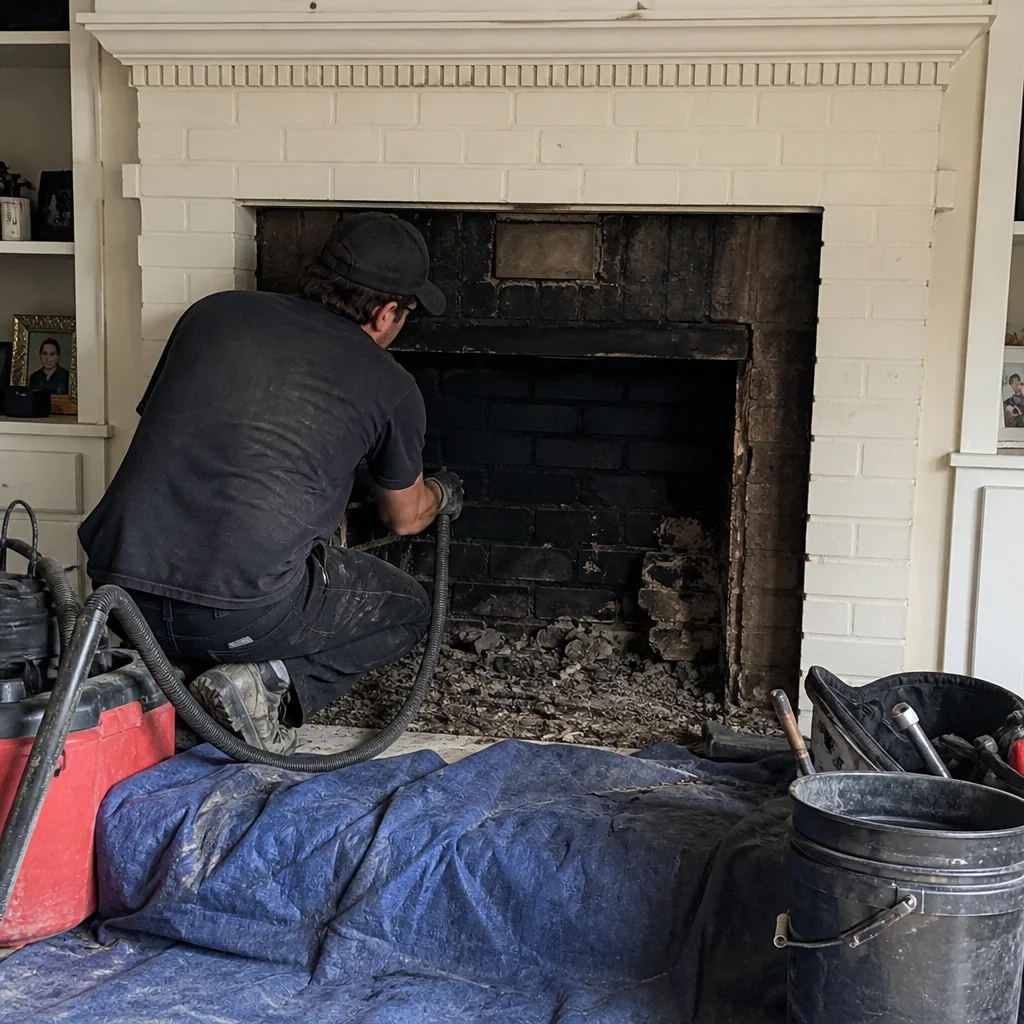 Before
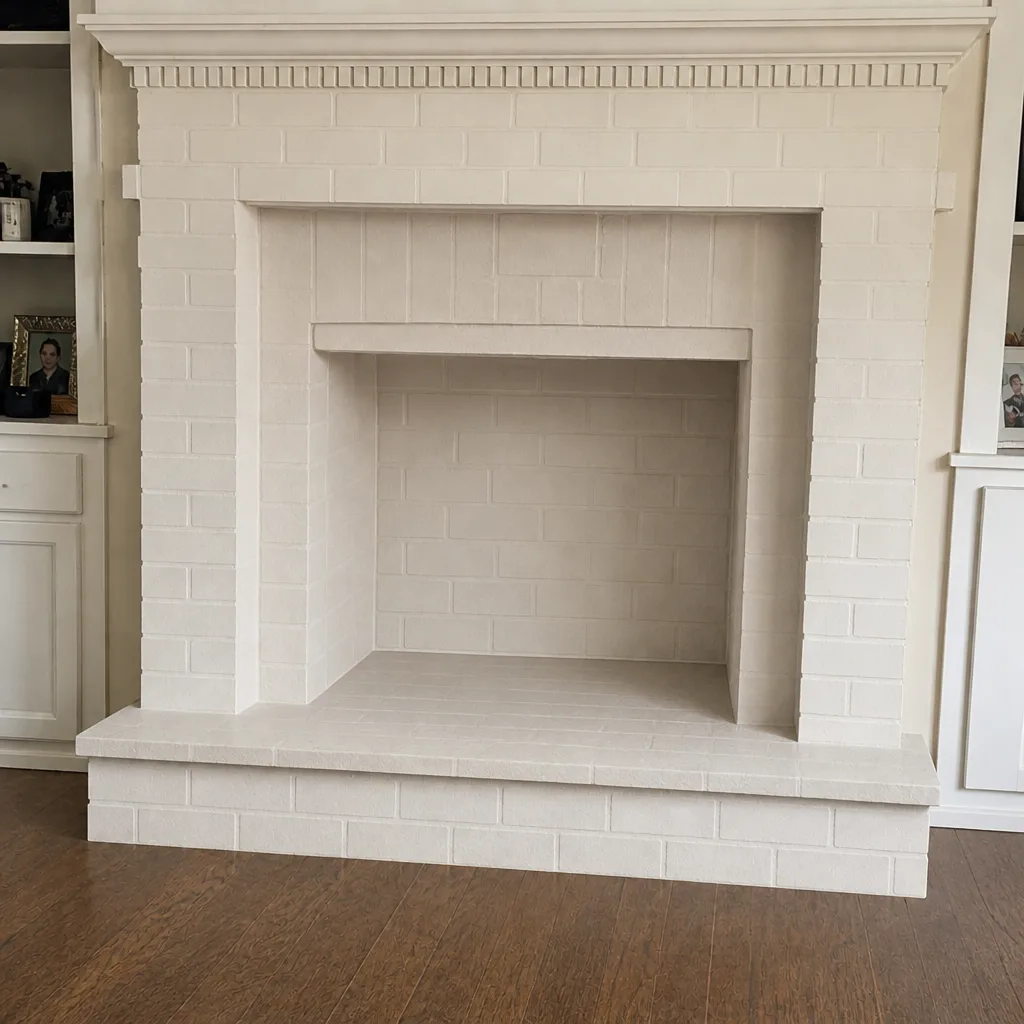 After
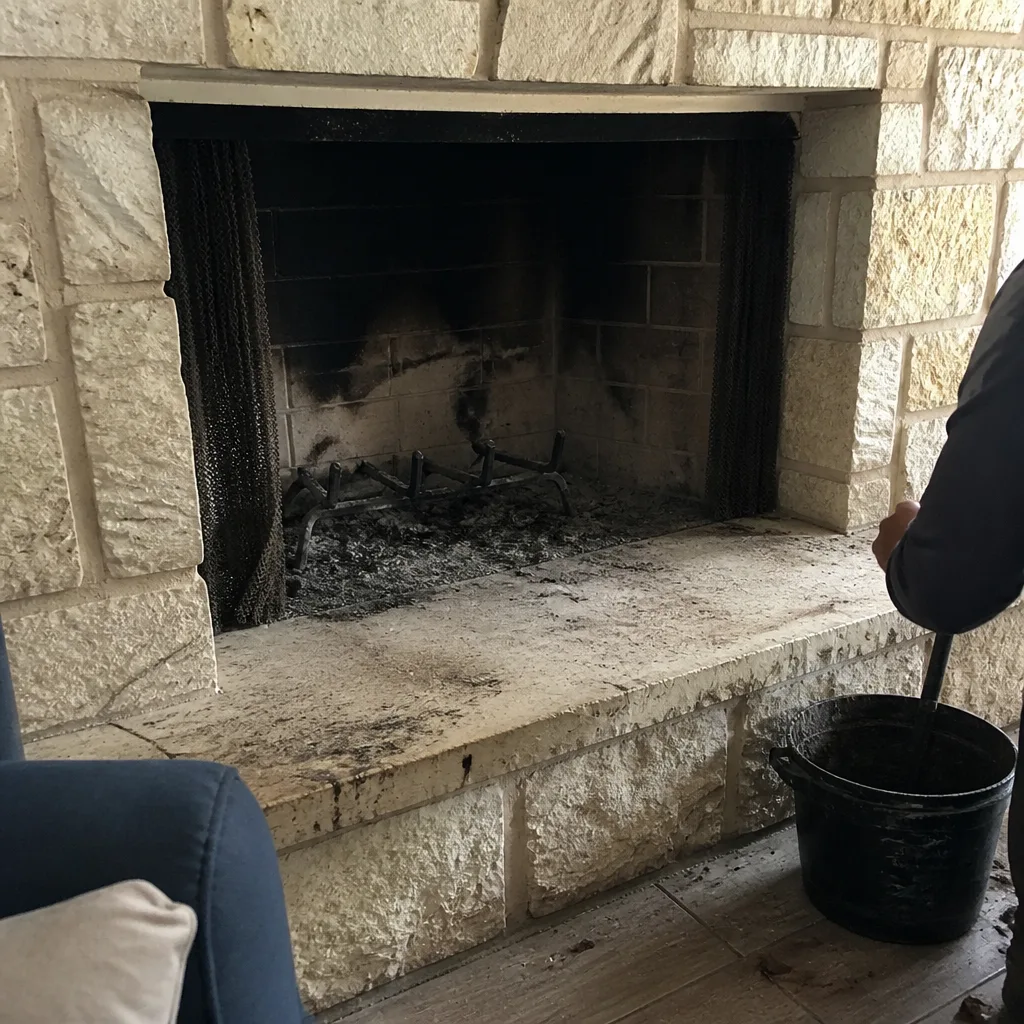 Before
 After
 Before
 After
When to Call a Professional
Call a professional after any suspected chimney fire, after a carbon monoxide alarm, when a fire struggles to draft, when the damper won’t move, when you see staining or damage on the chimney exterior, or when the annual sweep is due. In Uptown, the mild climate means the seasonal damage to watch for is water intrusion and slow liner degradation, not frost, so a chimney that looks fine from the ground can still have problems the exterior won’t show. The safety call is to err on the side of an inspection when anything has changed. A trained technician can run a camera inspection, read what it shows, and tell you in plain terms whether the chimney is safe, what needs fixing, and what can safely wait. Chimney Sweep Uptown offers free estimates in Uptown. Call (855) 814-8019. We answer 24/7. Fast dispatch from 7am to 7pm, Sunday through Friday.
Frequently Asked Questions
Call 911 first, then get everyone outside, then close the damper if it’s safe to reach. Don’t pour water on the fire, don’t try to put it out yourself if you don’t have the right equipment, and don’t re-enter the house until the fire department has cleared it. A post-fire inspection with a camera is required before the fireplace can be used again. Call (855) 814-8019 if you’re not sure where to start; estimates are free.
Look for soot or creosote around the top of the chimney, a strong creosote smell after a fire, cracked or discolored flue tiles (visible only on a camera inspection), or damage to the chimney cap. The only reliable check is a Level 2 inspection. Call (855) 814-8019 for a written report with camera footage you can see yourself.
Once a year, scheduled before the first burn of the season. Uptown’s mild winters mean fires often burn intermittently, and cool, slow fires build creosote faster than steady hot ones. A yearly sweep keeps the flue clear and gives a trained technician a chance to catch liner or masonry problems before they grow. Call (855) 814-8019 to book an annual sweep; estimates are free.
Yes. Wood-burning fireplaces produce carbon monoxide, and any chimney problem that blocks, cracks, or disconnects the flue can send CO into the house. Alarms on every level and outside sleeping areas, tested monthly, are the baseline. If an alarm sounds, get out and call 911. Call (855) 814-8019 after the house is cleared to schedule an inspection.
No. A chimney that looks intact after a fire can have a cracked or shifted flue liner behind the visible masonry, and the only way to know it’s safe is a Level 2 inspection with a camera. Using the fireplace before that check is the most common way a small fire turns into a larger one. Call (855) 814-8019 to schedule one; estimates are free.
Wide shots of the chimney from outside, the crown and cap, the flashing, the fireplace opening, the firebox, the damper, and any soot or staining in the room, plus close-ups of visible damage and the date on every photo. Get the fire department’s incident report number and include the inspector’s Level 2 report and camera footage with the claim. Call (855) 814-8019 if you need a written inspection report to file; estimates are free.
The Bottom Line
Chimney emergency preparedness for an Uptown home has two halves. The acute half is a rehearsed sequence: call 911, get everyone outside, close the damper if you safely can, and stay out. The slow half is the habits: a yearly sweep, a Level 2 inspection when anything changes, working CO alarms, and an intact cap and crown. Most emergencies are prevented by the slow half before they become the acute half. If you’re overdue for a sweep, or you’ve had a scare and aren’t sure whether your flue is safe, that’s the appointment to make. Chimney Sweep Uptown handles inspection, cleaning, cap and crown work, and repair in one service relationship, so a problem found on a visit is a problem we can fix. From inspection to repair, one company, one standard of work. Call (855) 814-8019 for a free estimate. We answer 24/7. Fast dispatch from 7am to 7pm, Sunday through Friday.
Written by the team at Chimney Sweep Uptown.