
Last updated November 25, 2026
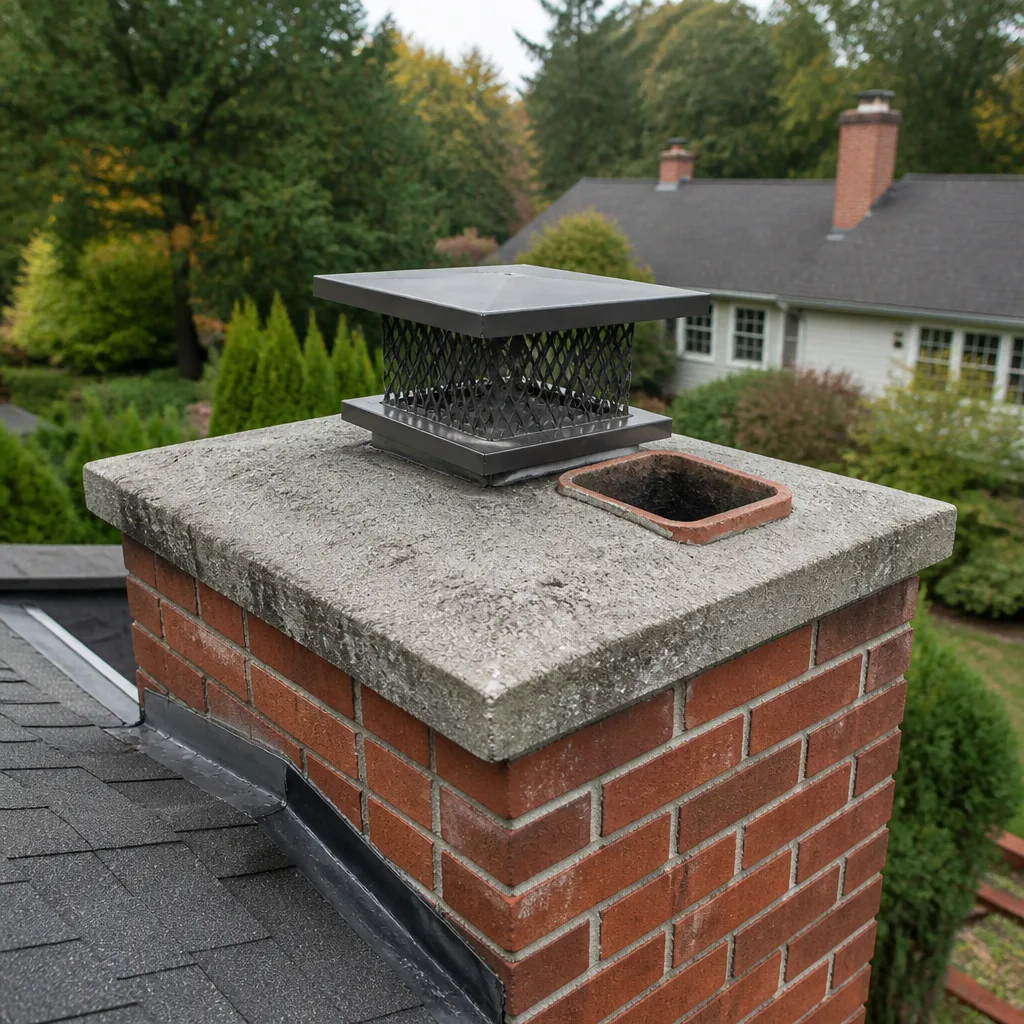 Sweep & inspection
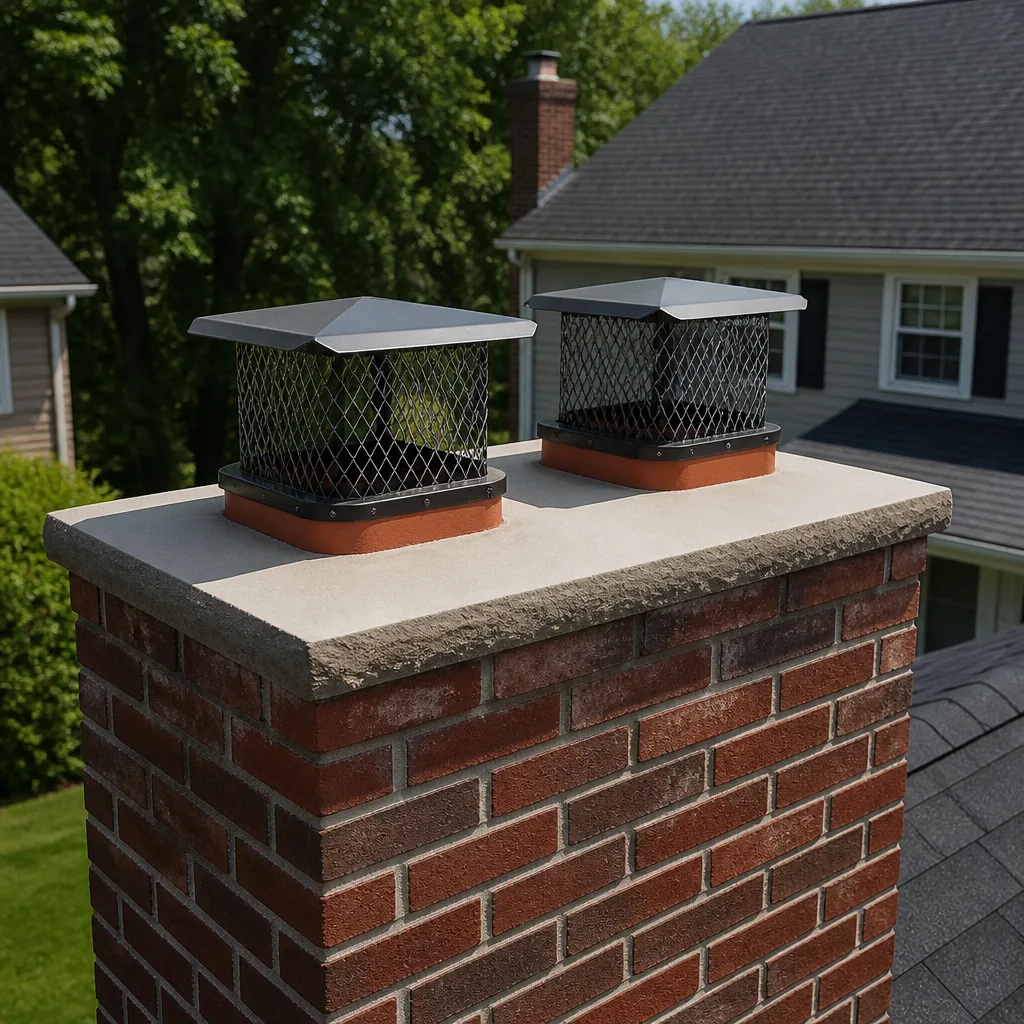 Caps & crowns
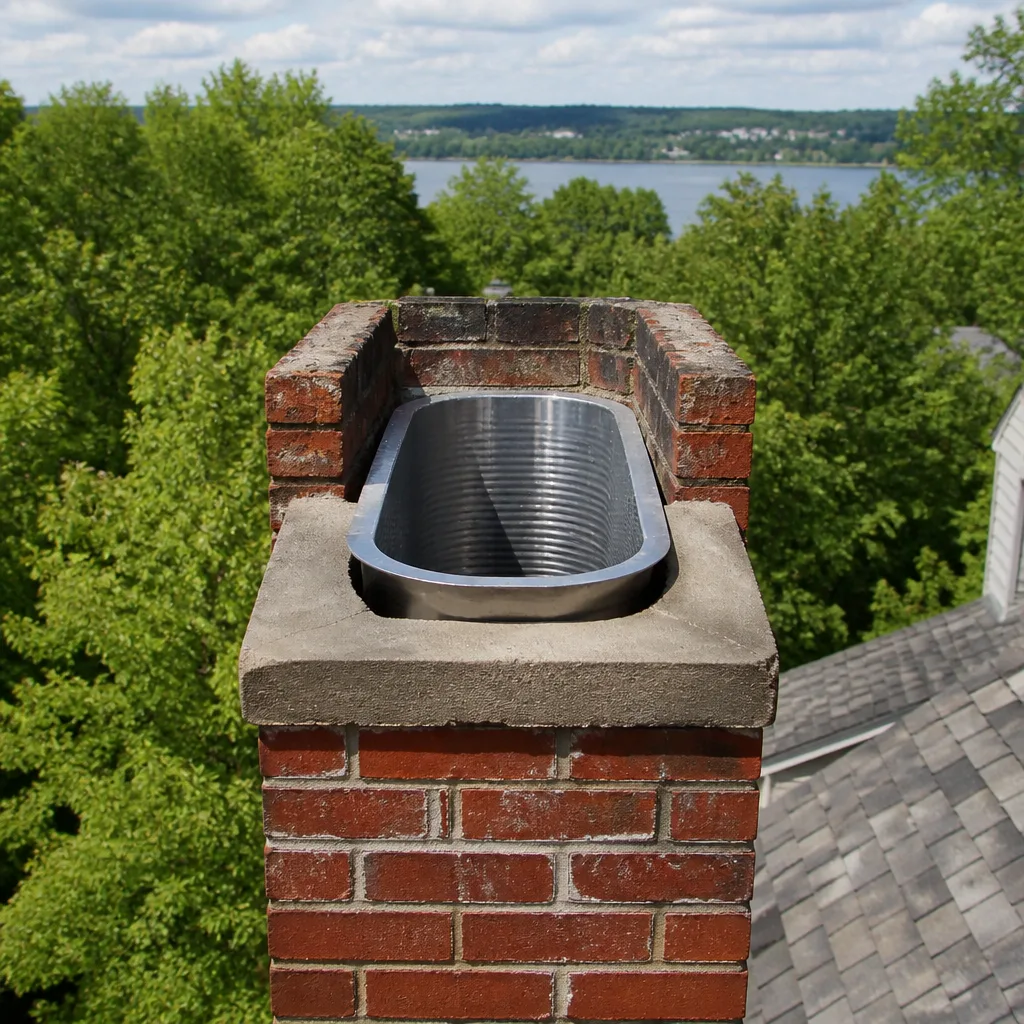 Flue relining
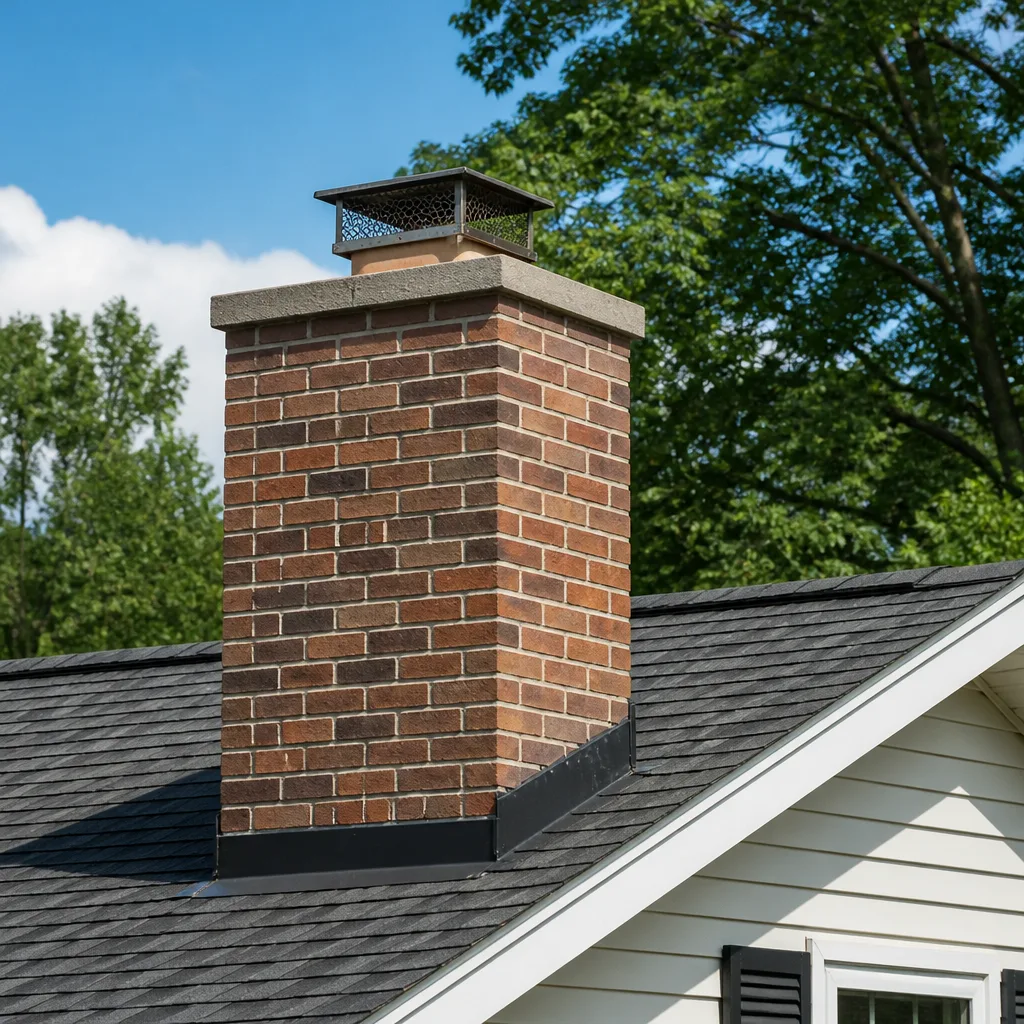 Masonry repair
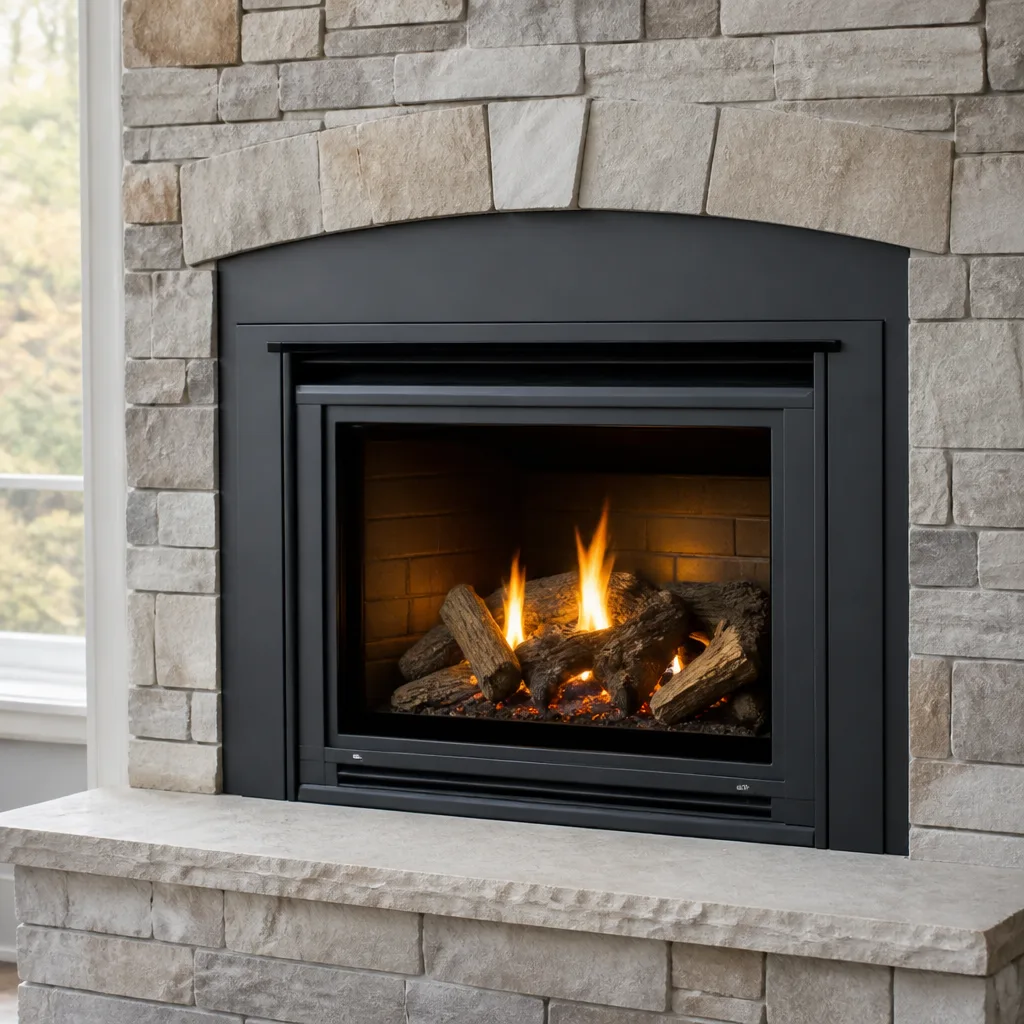 Gas fireplace service
Level 1 sweep and inspection to the NFPA 211 annual standard - flue, crown, cap, and flashing checked and photographed
Chimney sweep logs do not sweep chimneys. They loosen some creosote - which then falls where a brush and vacuum still have to collect it.
Choosing the Right Chimney Cleaning Brand: A Buyer’s Guide for Uptown
Here’s a fact that surprises most homeowners: the chimney company with the biggest ad budget in Uptown is usually not the one best equipped to solve an actual chimney problem. The most-advertised chimney service in Uptown tends to be a national franchise – which means your technician was trained to a corporate playbook, dispatched from a regional hub, and may have no ability to schedule the repair work your inspection uncovers. That phone number routes to a call center, not a chimney specialist. By the end of this guide, you’ll know how the three main business models differ, what certifications actually tell you, how to read reviews for real signal, and which questions expose a company that cleans but can’t fix.
Quick Answer
The “best” chimney cleaning company in Uptown is the one that can handle both the cleaning and whatever that cleaning reveals – caps, crowns, flue liners, fireboxes – under one standard of work, with professional-grade materials and technicians who can diagnose and repair in the same visit. In practice, that usually means a local full-cycle specialist rather than a national franchise or a sweep-only operator. Look for verifiable certifications (CSIA, NFI, CDET), review patterns that mention specific repair work, and a clear answer to the question “can you fix it if you find it?”
Styles & brands we work with
- Sweep & inspection
- Caps & crowns
- Flue relining
- Masonry repair
- Gas fireplace service
Table of Contents
- The Three Chimney Service Models You’ll Find in Uptown
- How National Franchises Differ From Local Specialists
- What CSIA, NFI, and CDET Certifications Actually Mean
- How to Read Online Reviews for Chimney Services
- The Continuity Advantage of One Provider
- Questions That Reveal a Full-Service Operation
- Why Material Brands Matter in Chimney Work
- Choosing a Chimney Brand in Uptown Specifically
The Three Chimney Service Models You’ll Find in Uptown
Chimney cleaning in Uptown is delivered through three structurally different business models, and understanding them is the single most useful thing you can do before booking a sweep. The model determines not just your price today, but what happens in the moment a technician finds a cracked crown or a deteriorating liner.
Model 1: The national franchise. The brand is licensed to local operators, technicians are trained to a corporate curriculum, and dispatching often runs through a regional hub or national call center. The franchise’s strength is consistency of process. The weakness is scope – many franchise agreements are built around cleaning and inspection, not structural repair. When the technician finds a problem, the call frequently gets handed off.
Model 2: The regional chain. These operators cover several metro areas and typically have a repair division somewhere in the company, but the crew that shows up at your door may still be a cleaning team. Repair means a second scheduling round-trip.
Model 3: The local full-cycle specialist. A single company that runs sweeps, inspections, cap and crown installation, fireplace repair, and chimney repair as one operation. The technician who cleans is trained to the same standard as the technician who repairs, and the finding and the fix happen inside one relationship.
We’ve structured Chimney Sweep Uptown around the third model deliberately. In a market where most of what you see advertised is a franchise, knowing the difference is half the buying decision.
Why the model matters more than the star rating
A five-star cleaning from a sweep-only company is still a five-star cleaning. The problem shows up six months later, when the liner issue that was flagged in the inspection report is now a repair project you’re sourcing from scratch with no continuity and no shared responsibility for the diagnosis.
How National Franchises Differ From Local Specialists
The franchise-versus-local question isn’t about who’s “better” in the abstract. It’s about training pipelines, dispatching, and repair authority – three things that change the actual experience of hiring a chimney company in Uptown.
Technician training
Franchise technicians are trained to a set corporate curriculum, which produces a consistent baseline. A local specialist’s training is often more varied and more deeply layered toward repair: a technician who has installed dozens of flexible liners has a different diagnostic eye than one who has cleaned hundreds of flues and referred out the liner work. Neither is automatically superior – but the specialist’s training is oriented toward the whole chimney, not just the sweep.
Dispatching
When a franchise dispatches from a regional hub, the technician on your roof may be covering a territory hundreds of miles wide. A local operation dispatches from a smaller radius, which usually means better familiarity with Uptown’s specific housing stock and a shorter path back if a part has to be sourced.
Repair capability
This is the decisive difference. A full-cycle specialist can move from “your crown is deteriorating” to a scheduled repair without a handoff. A franchise may be able to book the repair through a partner, but the partner is a separate company with a separate standard. The homeowner ends up managing two vendors who can disagree about what the original problem was.
Our position is simple: we don’t just find the problem. We fix it. From inspection to repair – one company, one standard of work.
What CSIA, NFI, and CDET Certifications Actually Mean
Chimney certifications are not interchangeable, and which one matters most depends on what you’re hiring a company to do. Here’s a plain breakdown of the three you’ll encounter most.
CSIA (Chimney Safety Institute of America)
The CSIA credential is the broadest and most recognized in the trade. It covers chimney and venting system fundamentals, inspection standards, and safety. For a cleaning and inspection visit, a CSIA-certified technician is the baseline you want to see. The credential requires continuing education to maintain.
NFI (National Fireplace Institute)
NFI certification is focused on hearth appliances – wood, gas, and pellet – and is more relevant when the work touches the fireplace or the appliance itself. If you’re hiring for fireplace repair, NFI certification is a meaningful signal that the technician understands the appliance side, not just the flue.
CDET (Chimney Dryer Exhaust Technician)
CDET is a specialty credential for dryer vent work, which falls outside chimney scope and outside what we do. If a company advertises CDET, it tells you they’ve trained for dryer exhaust – useful to know, but not the credential you’re evaluating for a chimney sweep.
Which credential matters for which job
- Cleaning and inspection: CSIA is the primary credential to look for.
- Fireplace and appliance work: NFI adds relevant depth.
- Structural repair and liner installation: ask specifically about installation experience with the liner system being quoted – certifications alone don’t confirm it.
- Cap and crown work: there’s no single credential; ask what material system they install and why.
Ask for the certification in plain terms: which one, held by which technician, and whether the company can show the documentation. A company that hesitates or speaks in generalities is telling you something.
How to Read Online Reviews for Chimney Services
Star ratings are the least useful part of a review. What matters for chimney work is what the review says the company actually did, and whether the pattern of reviews matches the service model the company claims. Here’s how to read reviews with signal.
- Look for repair mentions, not just cleaning mentions. A review that says “they found a cracked crown and fixed it the same visit” tells you the company is a full-cycle operation. A wall of reviews that only mention a fast, tidy sweep tells you the company may be sweep-only.
- Check whether the same problem recurs across reviews. If multiple reviewers describe the same kind of finding – a liner issue, a cap problem, water intrusion – and describe it being resolved, that’s a strong authenticity signal. Recurring complaints about upselling with no repair follow-through are the opposite.
- Read the reviews that are specific about materials. A reviewer who mentions the brand of liner or cap installed is reporting a level of detail that’s hard to fake and usually reflects genuinely informed work.
- Discount the extremes. One glowing review and one angry review at the ends of the distribution tell you less than twenty consistent mid-range reviews describing the same process.
- Notice the pattern of photos. Reviews with before-and-after photos of crowns, caps, or fireboxes are more revealing than text-only reviews.
We’ve seen enough Uptown review pages to know the pattern: the companies with the most reviews are often the ones with the largest ad budgets, and the companies with the most repair detail in their reviews are often the local specialists. Read for detail, not volume.
The Continuity Advantage of One Provider
When the same company handles the cleaning and the repair, three things improve: the diagnosis, the accountability, and the timing. Splitting the work across two vendors feels efficient on paper and usually costs more in practice.
Better diagnosis
The technician who cleaned your flue and inspected your crown has seen the whole system in one visit. If a second company comes in for the repair, they’re working from a report and a partial view, and they may interpret the original finding differently. Continuity removes that gap.
Cleaner accountability
When a repair is attributed to a condition found on an inspection, one company owns both the finding and the fix. There’s no space for the repair firm to say “the inspection missed it” and the inspection firm to say “the repair was done wrong.” In our experience, this is the single biggest source of homeowner frustration in chimney work.
Simpler timing
A repair booked inside an existing service relationship schedules faster and more predictably than one that has to be sourced from scratch. You already have a history, a quote format you understand, and a technician model you’ve seen.
The continuity argument is also the reason we structured chimney sweep visits as diagnostic passes rather than standalone cleanings. The sweep is the beginning of a relationship, not a transaction.
Questions That Reveal a Full-Service Operation
You can determine whether a company is a full-service operation or a cleaning-only referral pipeline in about five minutes of questions. Ask these before you book.
- “If you find a problem during the sweep, can you quote the repair in the same visit?” A yes means the technician has repair authority. A “someone will call you” means the sweep is a lead-generation step.
- “What liner brand do you install, and why that one?” A full-cycle company has a specific, defensible answer. Sweep-only companies often don’t install liners at all, and a willingness to install “whatever’s available” is a red flag.
- “Who handles the cap and crown work?” If the answer is a separate company, you’ve found a referral pipeline. Cap and crown are the most common repair category in chimney work, and a full-service operation handles both in-house.
- “Can I see a sample of the material before installation?” A specialist can and will show you the liner or cap going on your chimney and explain why it’s the right choice for your flue’s condition.
- “How do you handle a finding that I decide to defer?” A good answer acknowledges that some findings can be monitored and safely deferred, and tells you which ones can’t. A company that pressures every finding into immediate repair is selling, not advising.
- “Are you certified, and which certification applies to this job?” A specific answer concerning the job type is a strong signal of professionalism.
Ask these questions on the phone before booking. The tone and specificity of the answers often tells you more than any review.
Why Material Brands Matter in Chimney Work
Chimney work has a materials side that most homeowner conversations skip entirely, and it’s where a lot of “affordable” work goes wrong. Knowing which brands are being quoted is a shortcut to knowing whether the work will hold up.
A DuraFlex flexible liner is a professional-grade liner system used in situations where a rigid liner is impractical or where the flue requires a flexible reline. HeatShield is a factory-engineered chimney resurfacing system for deteriorating flue tiles – it restores the tile surface rather than removing and replacing. Gelco is a precision-manufactured chimney cap, specified by chimney professionals for fit and durability. The supply chain matters too: Olympia Chimney, Famco, and Copperfield are trade suppliers whose materials are widely used by certified sweeps.
What to ask about materials
- Which liner brand and system, and why that one for your flue’s condition?
- Which resurfacing system, if flue tiles are deteriorating?
- Which cap brand, and what’s the warranty on the cap itself?
- Can the company show you a sample or the installation instructions for the system?
We work with DuraFlex, HeatShield, and Gelco specifically because they’re the systems trade professionals actually specify, and because material-specific expertise means recommendations get matched to the actual condition of the flue, not upsold generically. Professional-grade materials matter because they change what the chimney looks like in twenty years, not what the invoice looks like today.
Choosing a Chimney Brand in Uptown Specifically
Uptown is a mixed residential pocket with older housing stock and a mix of wood-burning and gas fireplaces, and that mix changes what you should look for in a chimney company. Older homes are more likely to have original masonry crowns and flue tiles that have had decades of exposure, and gas fireplaces introduce venting considerations that wood-only technicians sometimes underweight.
What this means in practice
In a market where the most visible advertiser is a franchise, the homeowner’s job is to look past the ad budget and evaluate the actual service model. That means:
- Asking whether the company can quote crown, cap, and liner repairs in-house.
- Checking that the technician has seen the specific challenges of Uptown’s older housing stock.
- Confirming whether the company installs professional-grade liner and cap systems or hands off structural work to a subcontractor.
Uptown homeowners we work with tend to have a strong preference for knowing what brand of liner or cap is going in and why, not just a price and a date. That preference is a good filter: companies that can answer the material question in detail are almost always the ones who can also answer the repair question in detail.
Our chimney cap & crown work in Uptown is built around this exact filter. If a company can explain the cap and crown material choice, they can probably explain the rest.
Common Mistakes to Avoid
- Choosing on the ad budget alone. The biggest-advertised chimney company in Uptown is usually a franchise, and the franchise model often can’t schedule the repair your inspection reveals. Pay attention to the service model, not the logo recognition.
- Skipping the materials question. If you don’t know which liner brand or cap brand is being installed, you can’t evaluate the quote. Ask for the brand and the reason for that brand before you commit.
- Treating the sweep as a transaction rather than the start of a relationship. A sweep is where problems get found. A company that handles the sweep and the repair is a better long-term partner than a company that handles only the sweep.
- Confusing certifications. CSIA, NFI, and CDET cover different things. Ask which credential applies to the job you’re hiring for, and don’t assume any one credential covers all work.
- Ignoring reviews that mention repair detail. The reviews that describe specific fixes are the ones that tell you whether the company is full-cycle. Star ratings are noise by comparison.
- Assuming a second contractor for the repair is efficient. Splitting the work often creates accountability gaps and slower scheduling. One provider for cleaning and repair is usually the better structure.
- Treating the cap and crown as optional. Cap and crown are the first line of defense against water intrusion and accelerated masonry decay, and a company that installs them well is a fundamentally different kind of company than one that only sweeps.
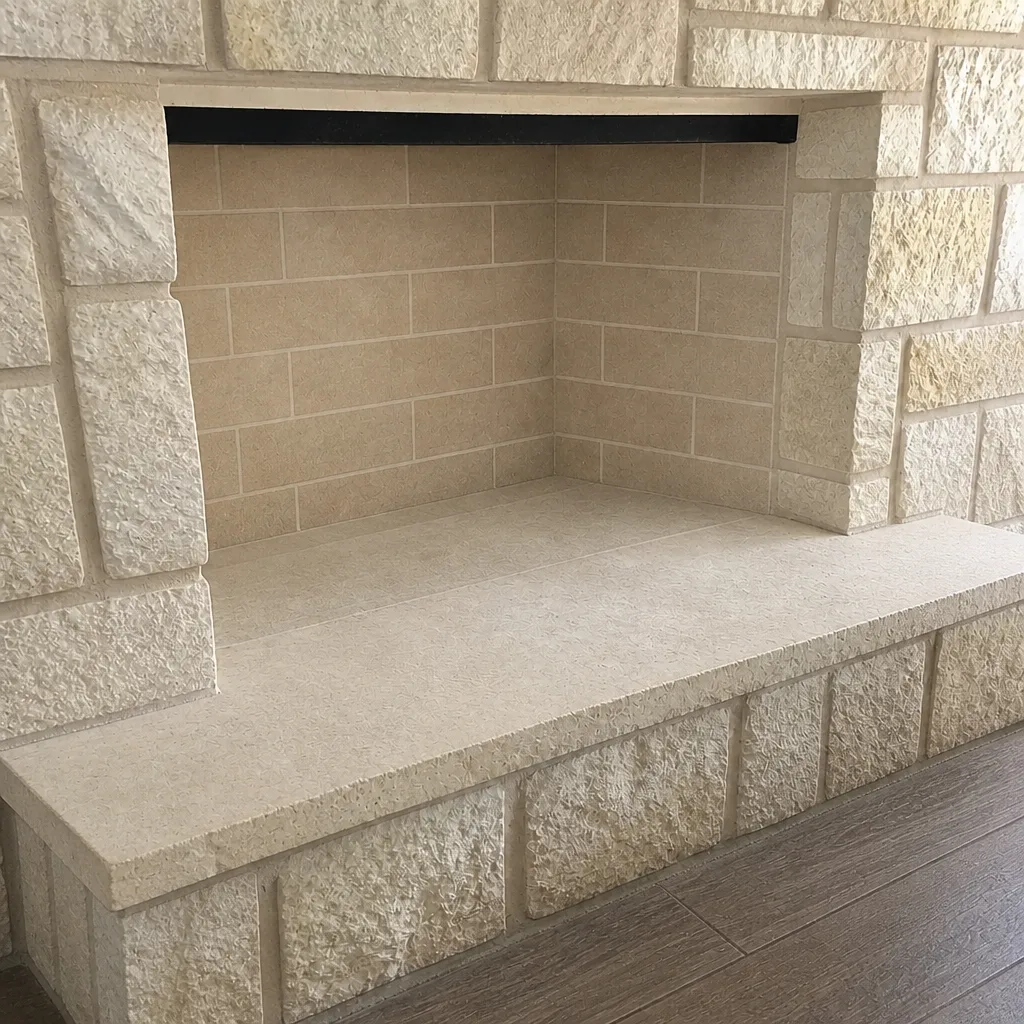
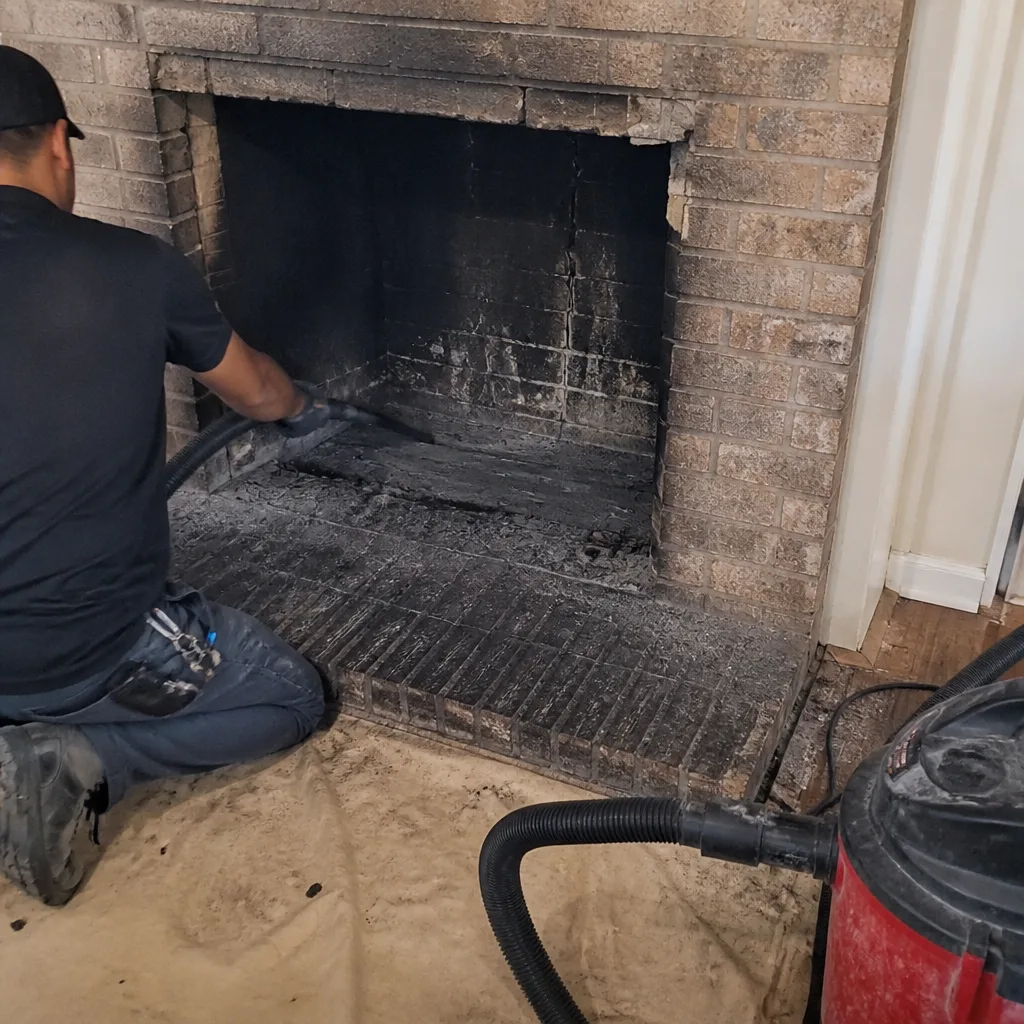
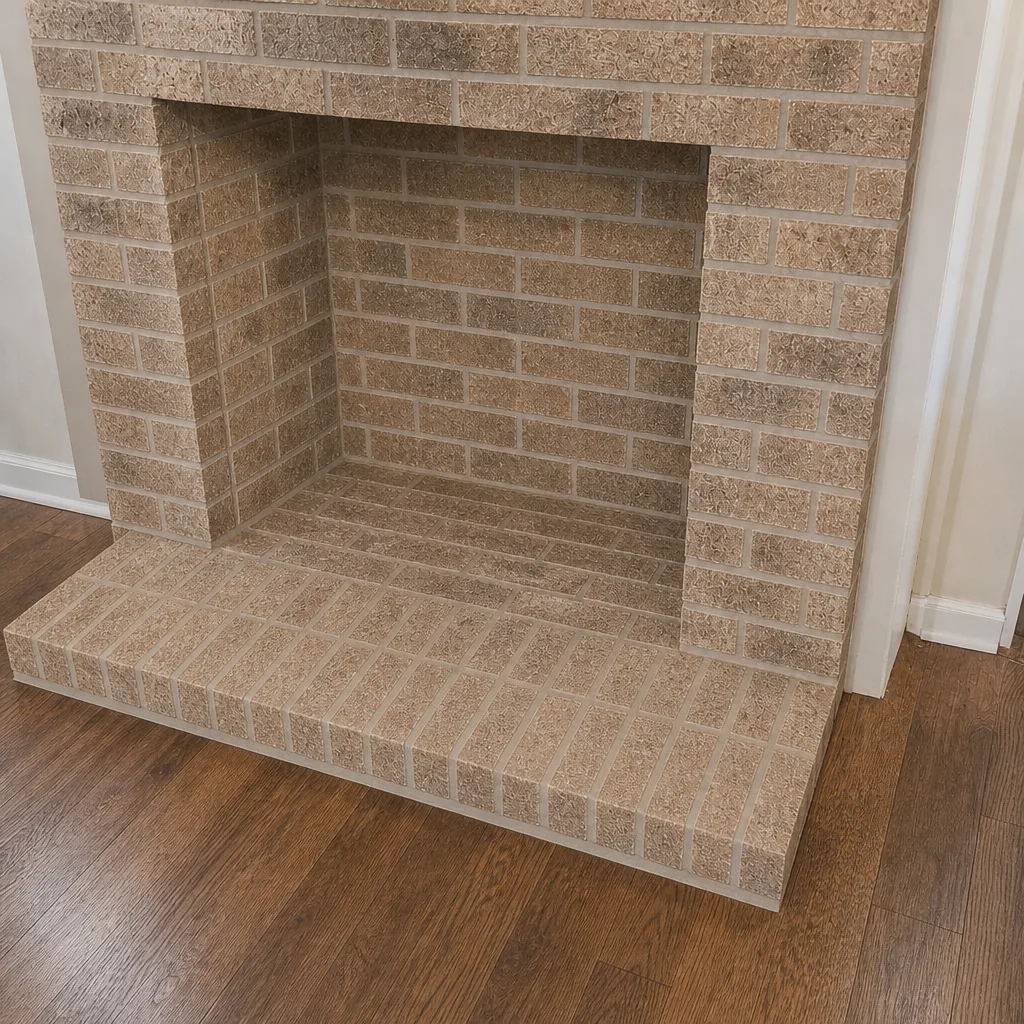
See the difference
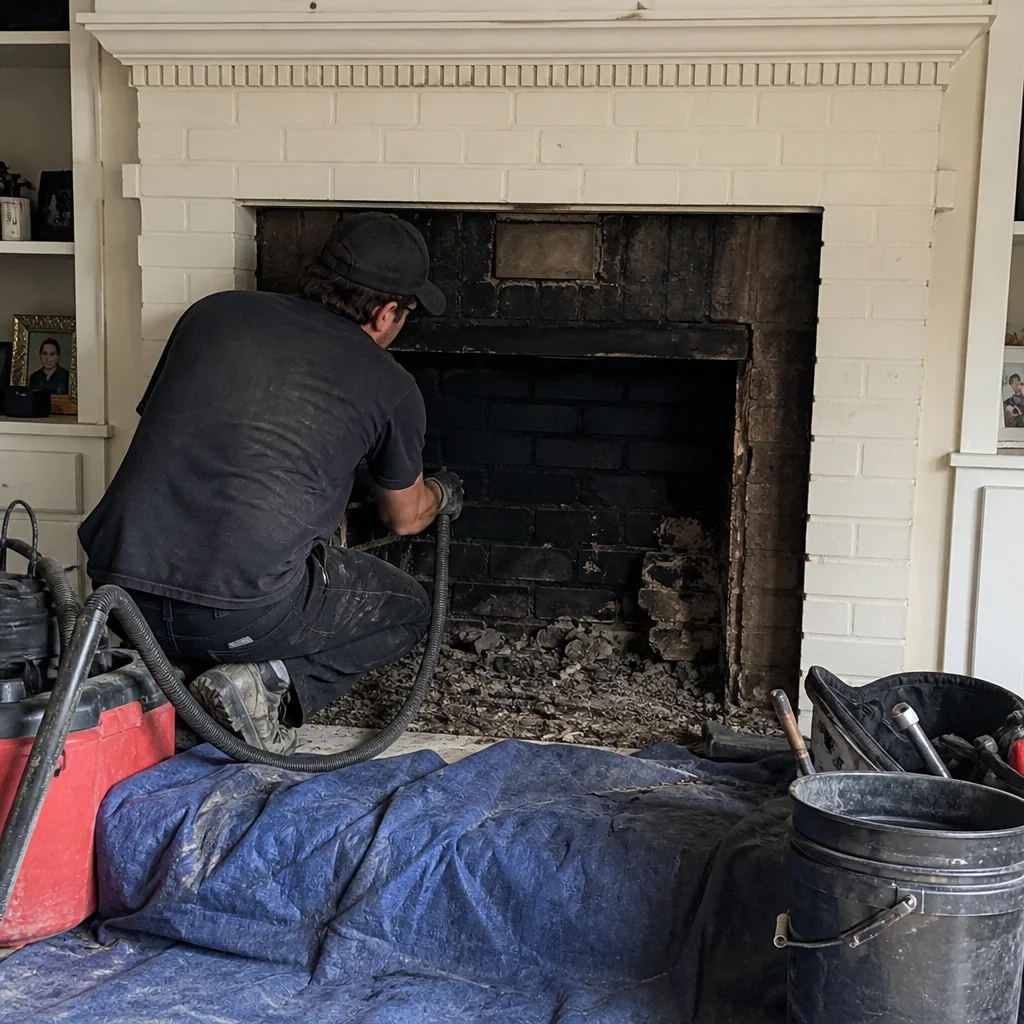 Before
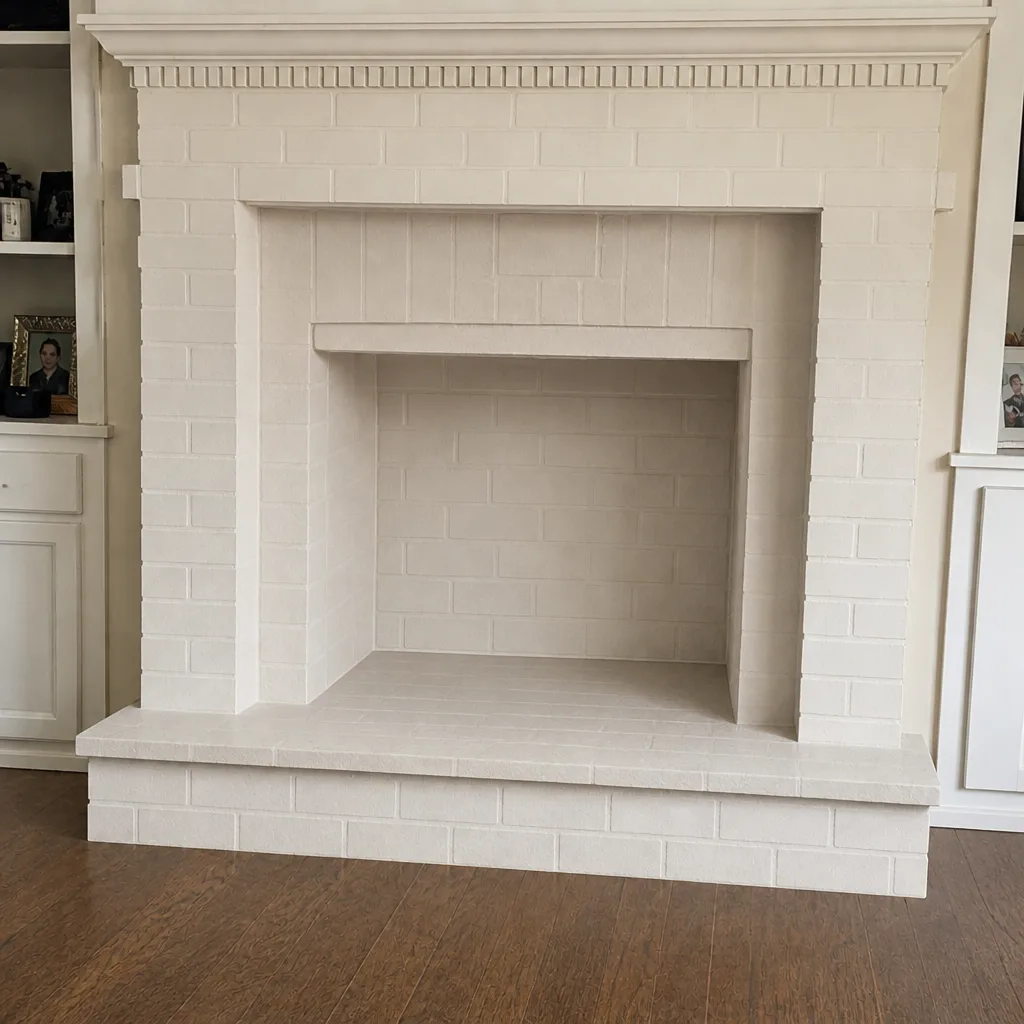 After
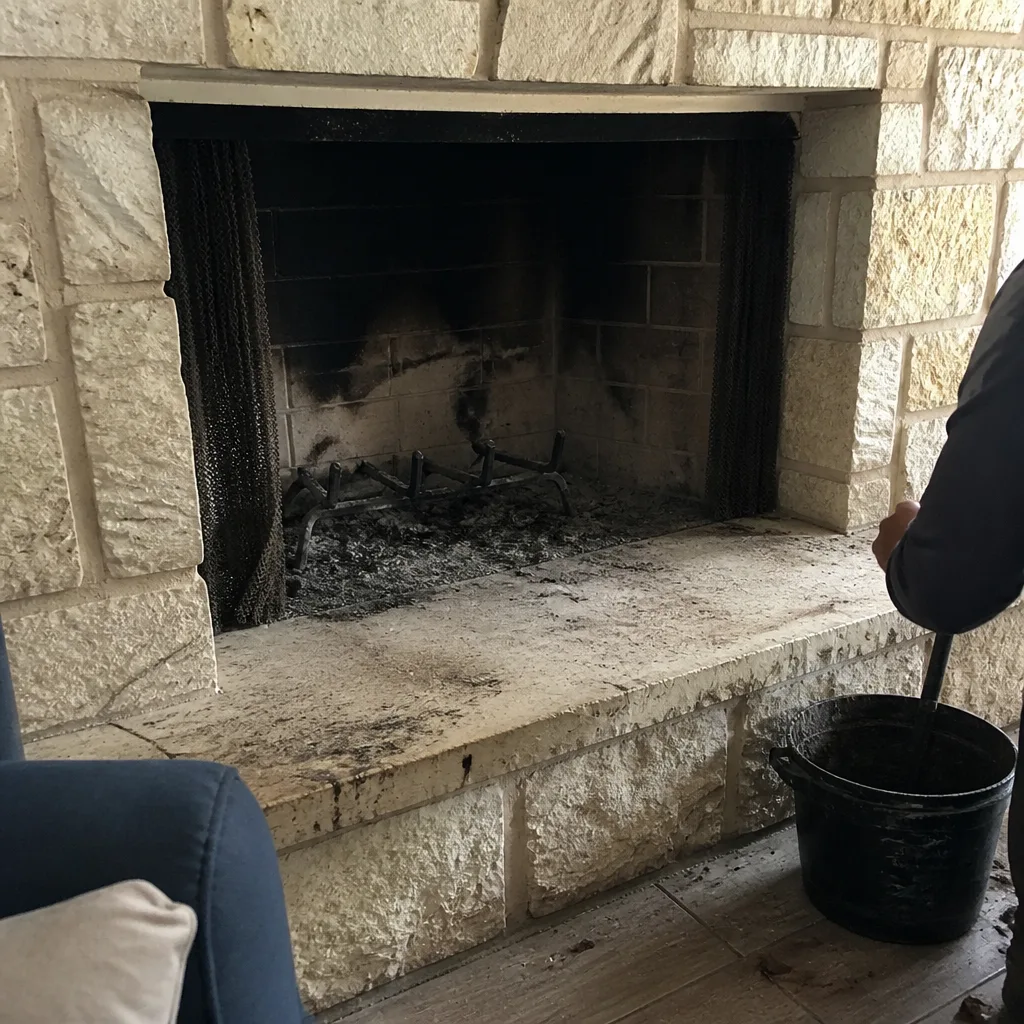 Before
 After
 Before
 After
When to Call a Professional
Not every chimney question needs a technician. But some do, and knowing which is which saves money and avoids worse problems. Call a professional when you notice:
- A strong creosote smell or visible buildup in the firebox or flue.
- Smoke backing into the room when the fireplace is running.
- Water staining on the ceiling near the chimney, or visible deterioration on the crown.
- A missing or damaged cap, or signs of animal entry.
- A gas fireplace that’s venting oddly or failing to start.
- It’s been more than a season since the last sweep.
These aren’t reasons to panic, and some findings can be monitored and safely deferred. But they are reasons to get an inspection from a company that can also fix what the inspection finds. Chimney Sweep Uptown offers free estimates in Uptown – call (855) 814-8019. We answer 24/7. Fast dispatch from 7am to 7pm, Sunday through Friday.
Frequently Asked Questions
The main difference is repair capability. A national franchise typically delivers cleaning and inspection to a corporate standard and may not be able to schedule the repair work the inspection reveals, while a local full-cycle specialist handles cleaning, inspection, cap and crown, and structural repair as one operation. Continuity of service – one company owning the finding and the fix – is the practical reason most Uptown homeowners prefer the local model.
For a cleaning and inspection visit, a CSIA-certified technician is the baseline to look for, and NFI certification adds relevant depth if the work touches the fireplace itself. A CDET credential is for dryer vent work and doesn’t apply to chimney sweeping. Ask the company which certification applies to the specific job you’re booking.
Ask whether they can quote a crown, cap, or liner repair in the same visit as the sweep. A full-service company will answer yes and can usually explain the material brand they’d install. A sweep-only company will hand off the repair to a partner or call center.
DuraFlex flexible liners, HeatShield resurfacing, and Gelco caps are the professional-grade brands to recognize, and Olympia Chimney, Famco, and Copperfield are the trade suppliers whose materials are widely used by certified sweeps. If a company can name the brand and explain why it’s the right choice for your flue, that’s a strong signal.
Some will, which is why it’s worth asking how the company handles a finding you decide to defer. A good answer distinguishes between findings that can be monitored and safely deferred and findings that can’t. A company that pressures every finding into immediate repair is selling, not advising.
The general rule is once a year for wood-burning fireplaces, plus any time you notice creosote buildup, smoke backing up, or a strong smell. Gas fireplaces need an inspection at a similar cadence. A full-cycle specialist will tell you what the actual condition warrants, and will tell you when work can safely wait.
The Bottom Line
Choosing a chimney cleaning brand in Uptown comes down to three questions: what business model is behind the logo, which certifications apply to the job you’re booking, and whether the company can fix what it finds. A nationally advertised franchise delivers consistency but often can’t schedule the repair the inspection reveals. A sweep-only operator cleans well and hands off the rest. A local full-cycle specialist cleans, inspects, and repairs under one standard of work, using professional-grade materials like DuraFlex and HeatShield, and can tell you why each material was chosen.
We’ve built Chimney Sweep Uptown around the third model on purpose. Our technicians have up to 12 years of experience, and our work runs from chimney sweep visits through chimney cap & crown installation and fireplace repair – one company, one standard of work. If you’re ready to skip the referral pipeline and work with one specialist, call (855) 814-8019 for a free estimate. We answer 24/7. Fast dispatch from 7am to 7pm, Sunday through Friday.
Written by the team at Chimney Sweep Uptown.