
Last updated November 25, 2026
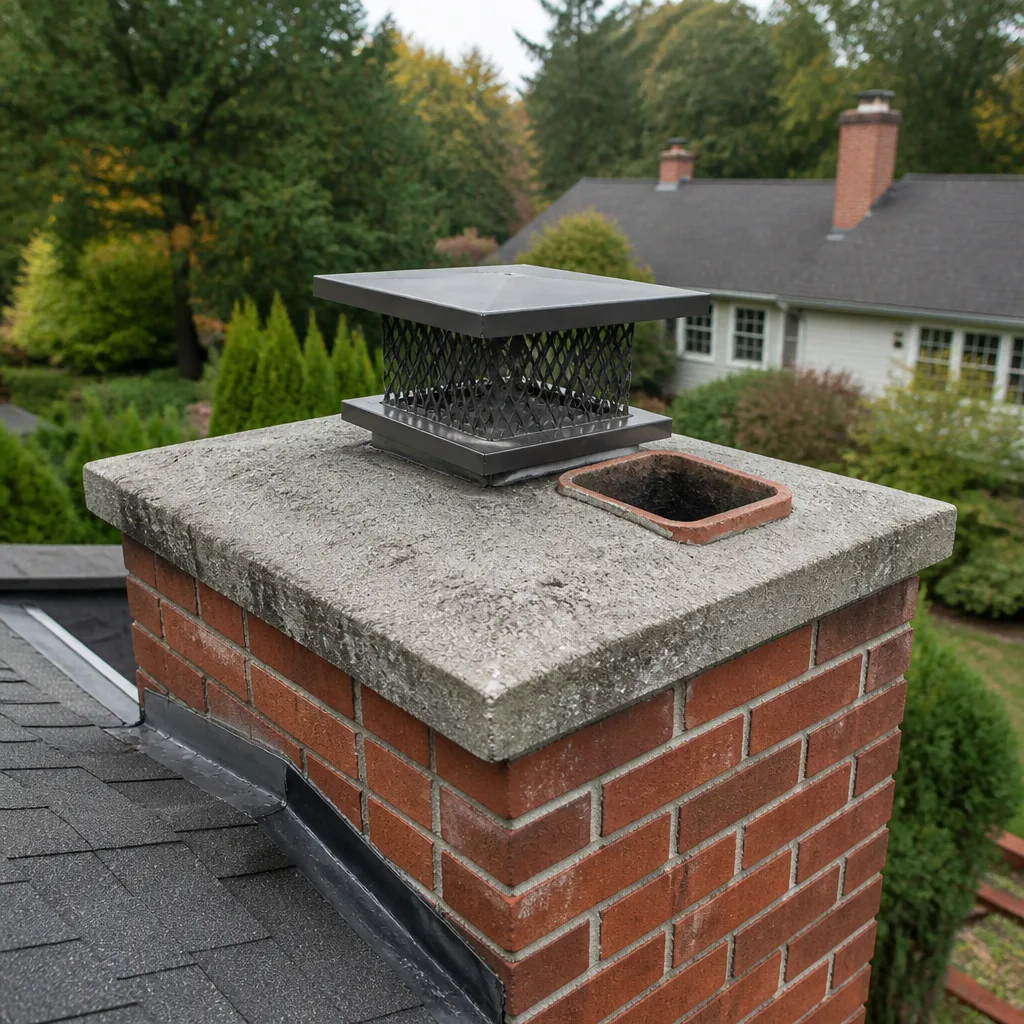 Sweep & inspection
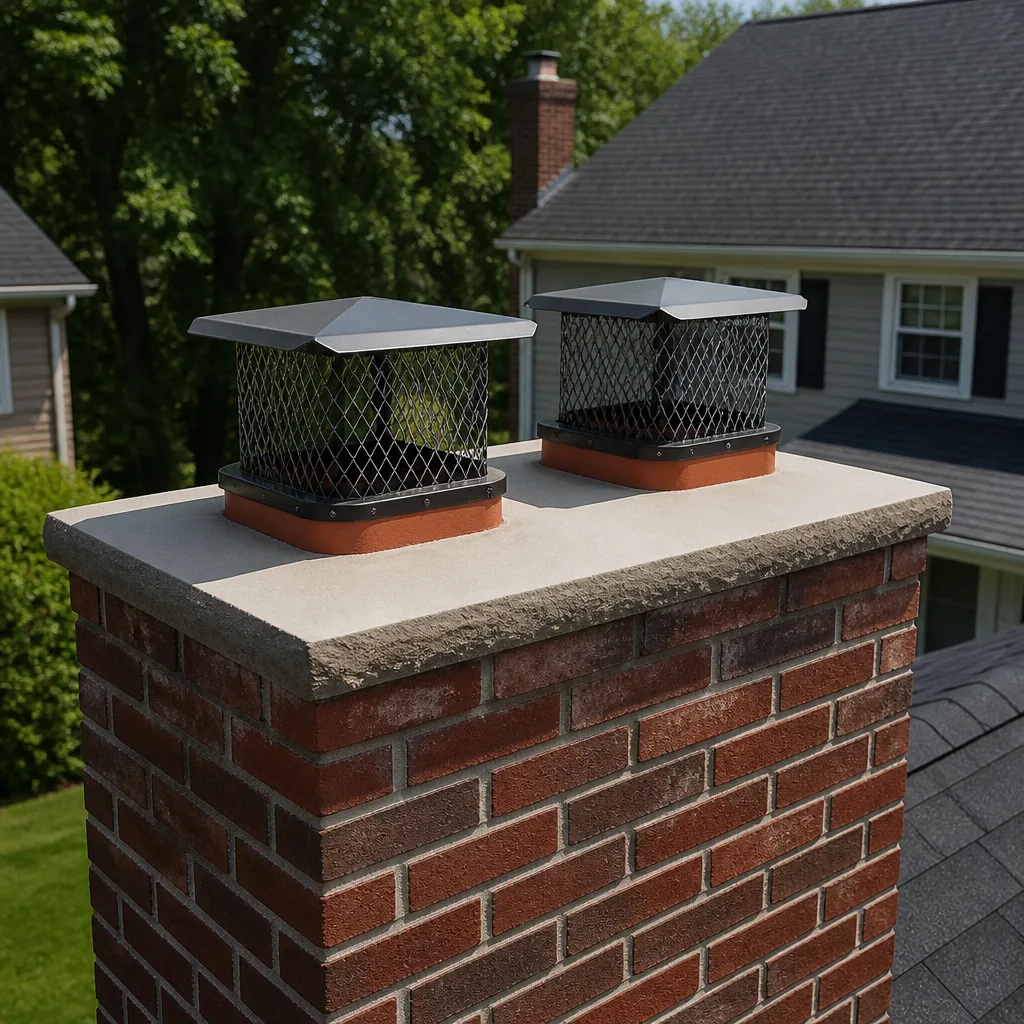 Caps & crowns
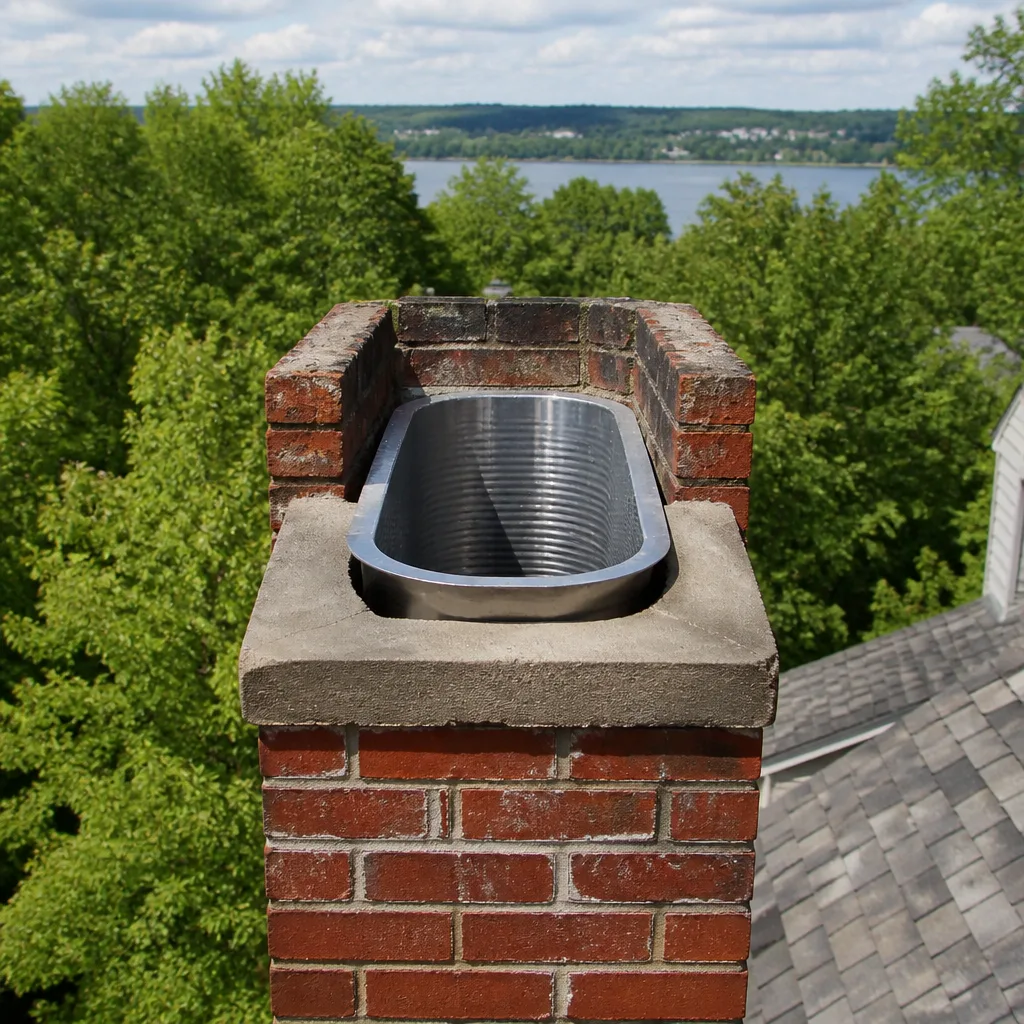 Flue relining
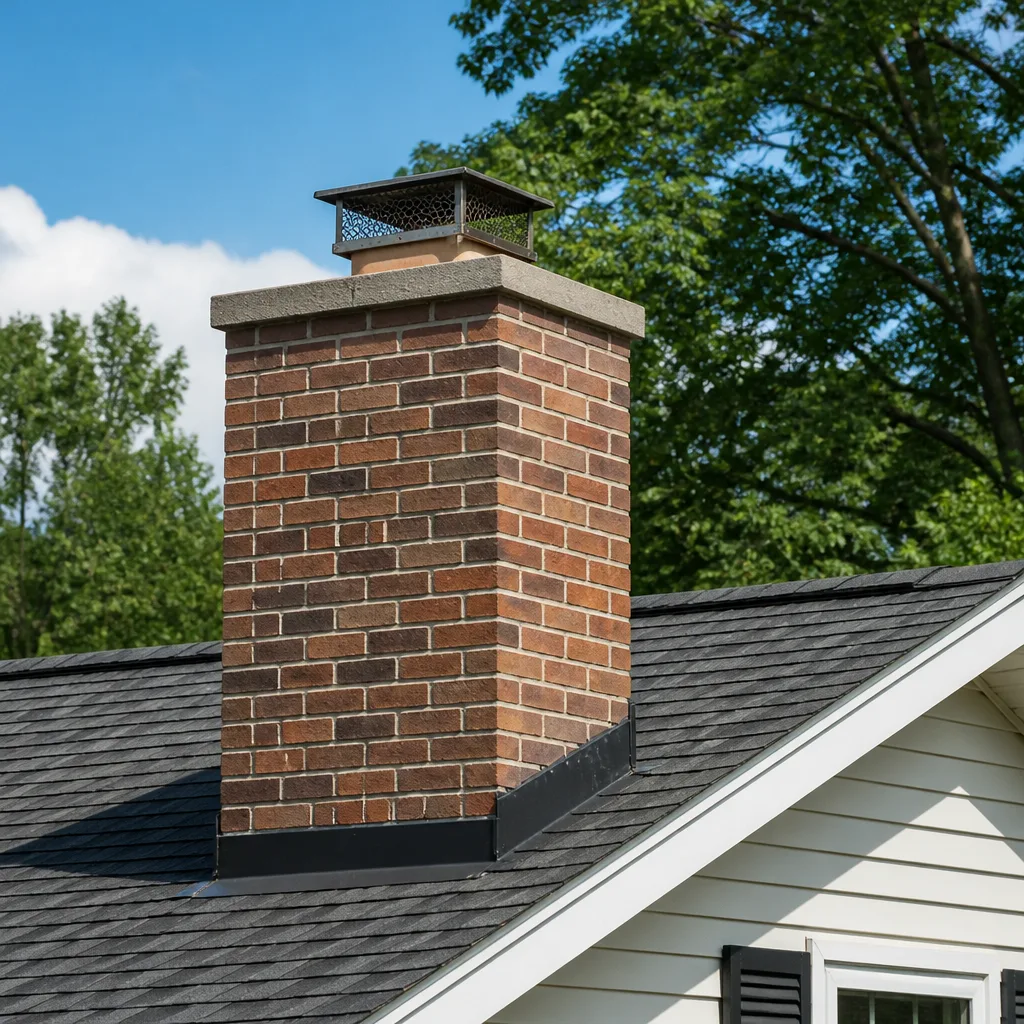 Masonry repair
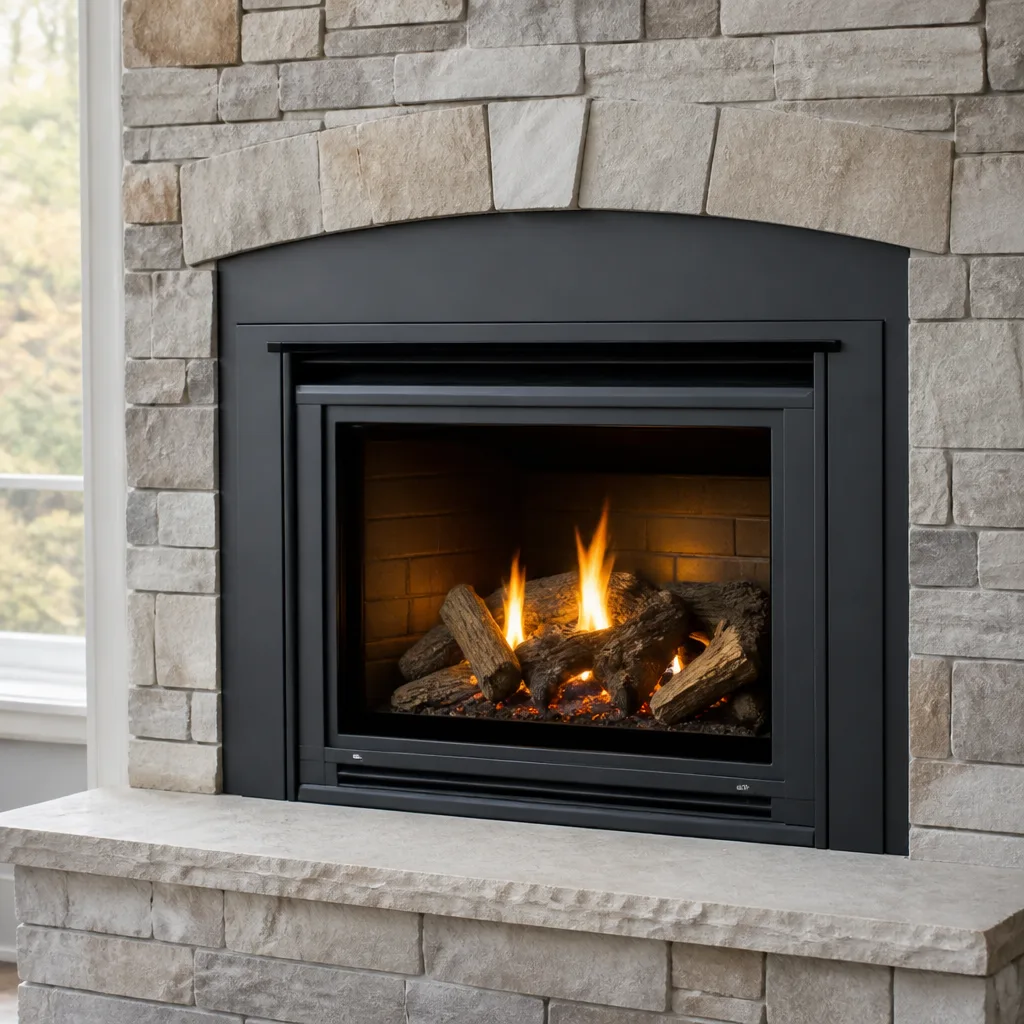 Gas fireplace service
Level 1 sweep and inspection to the NFPA 211 annual standard - flue, crown, cap, and flashing checked and photographed
Chimney sweep logs do not sweep chimneys. They loosen some creosote - which then falls where a brush and vacuum still have to collect it.
DIY vs Professional Chimney Cleaning: The Uptown Homeowner’s Decision Guide
Chimney cleaning rods and brushes are sold at every hardware store around Uptown. What isn’t sold there is the ability to recognize a Stage 2 creosote glaze, a compromised tile liner, or a failing smoke chamber, all of which look unremarkable to an untrained eye. That’s the gap the DIY-versus-pro debate usually skips over. The real question isn’t whether you can push a brush up a flue; it’s whether the person doing the pushing knows what they’re looking at when the brush comes back down. In this guide we’ll walk through what a competent homeowner can safely handle, what genuinely requires professional equipment and structural knowledge, how Texas homeowner policies tend to treat self-performed chimney work, and a simple three-variable framework for deciding which side of the line your fireplace falls on.
Quick Answer
A homeowner can safely clean a lightly used fireplace, but the moment that cleaning happens is also the moment structural problems are most visible, and most homeowners won’t recognize what they’re seeing. Professional cleaning in Uptown is worth it whenever your chimney has more than a season of buildup, has never been inspected, or shows any sign of liner or smoke chamber trouble. A brush removes soot; it doesn’t evaluate the flue.
Styles & brands we work with
- Sweep & inspection
- Caps & crowns
- Flue relining
- Masonry repair
- Gas fireplace service
Table of Contents
- What DIY Chimney Cleaning Can Safely Handle
- What a DIY Cleaning Cannot Evaluate
- Equipment Reality Check: Brush Kits vs Professional Setups
- Texas Insurance and the Self-Performed Chimney Job
- A Three-Variable Framework for Deciding
- How a Professional Cleaning Actually Works
- Creosote Stages and Why They Matter in Uptown
- Common Mistakes to Avoid
- When to Call a Professional
What DIY Chimney Cleaning Can Safely Handle
There’s a middle ground here that both the “always hire a pro” camp and the “save your money” crowd tend to ignore. Some chimney maintenance is genuinely within reach for a careful homeowner. The trick is understanding exactly where that reach ends, because the tasks that look simple and the tasks that are simple aren’t always the same thing.
Here’s what a competent homeowner can typically handle without specialized training:
- Cleaning out the firebox. Removing ash, leftover wood, and debris from the firebox floor is straightforward and safe, as long as the fire is fully cold and you’re wearing gloves and a dust mask.
- Clearing the firebox of soot before a sweep. A light wipe-down of the firebox walls ahead of a professional visit makes the sweep faster and reduces airborne dust in your living room.
- Removing the grate and andirons. Pulling hardware out for cleaning and inspection access is safe and useful.
- Checking the damper operation. Opening and closing the damper by hand to confirm it moves freely and seals reasonably is a reasonable homeowner check.
- Visual inspection of the firebox interior. Looking for obvious cracks, loose mortar, or crumbling brick in the firebox itself is something you can do with a flashlight.
- Light sweeping of a lightly used flue. If your fireplace sees a handful of fires per season, a consumer brush on a rod can knock down loose soot from the flue walls. It won’t be as thorough as a professional sweep, but it can keep a lightly used chimney from accumulating a heavy layer.
What ties all of these together is that none of them require you to interpret the condition of the flue liner, the smoke chamber, or the connection between the firebox and the flue. Those are the areas where the DIY decision gets complicated, and where a chimney sweep from a specialist pays for itself in knowledge rather than just labor.
One more thing worth saying plainly: safety is the reason to think carefully here, not just cost. A chimney is a system that carries hot combustion gases and creosote out of your home. Anything you do inside it needs a cold firebox, proper eye and respiratory protection, and a realistic assessment of your own comfort with heights and confined spaces. If you have any hesitation, that hesitation is a reasonable signal to call a professional.
What a DIY Cleaning Cannot Evaluate
This is the heart of the whole decision. A brush loosens soot. An inspection evaluates the system. Those are different jobs, and a homeowner running a brush from the top of the chimney has no practical way to do the second one. Here’s what a DIY cleaning genuinely cannot assess:
- The interior of the flue liner. Tile liners develop cracks, spalling, and gaps between sections that are invisible from the firebox and invisible from the top of the chimney. A sweep sees the whole liner run with a camera; you see a hole at each end.
- The smoke chamber. That’s the sloped area just above the damper and below the flue. It’s where creosote tends to collect and where cracks often start. Most homeowners have never even seen their own smoke chamber.
- The connection point above the firebox. This is the transition between the firebox and the first flue tile. It’s a common failure point and one of the hardest things to inspect without proper access.
- The chimney crown and cap condition. From the ground you can see whether a cap is present, but you can’t reliably judge whether the crown is cracked or whether water is getting into the masonry. That work is itself a category, covered under chimney cap & crown service.
- Stage 2 and Stage 3 creosote glaze. A light dusting of soot is fine to brush. A hard, glazed layer of creosote is not something a standard consumer brush removes, and it’s a serious fire risk if left in place. It doesn’t look alarming to someone who hasn’t seen thousands of flues.
- The overall structural health of the chimney. Spalling brick, deteriorating mortar joints inside the flue, and failing connections all require trained eyes and a camera.
This is what we mean when we say the moment you’re cleaning is the moment the problems are most visible, and you won’t know what you’re looking at. A professional sees the inside of the liner and knows the difference between a normal aging tile and one that’s ready to fail. If a liner does turn out to be compromised, the fix involves professional-grade materials like a DuraFlex liner system or HeatShield resurfacing for deteriorating tiles, and matching the right system to the actual condition of the flue takes judgment that comes from experience, not a hardware store manual.
Equipment Reality Check: Brush Kits vs Professional Setups
The consumer brush kit at the hardware store is a real tool, and for the narrow case of a lightly used, previously inspected chimney it can do real work. But it’s worth being honest about what a consumer kit actually accomplishes compared to what a professional cleaning setup does, because the gap is bigger than most people expect.
What a consumer brush kit does
- Knocks loose soot and light Stage 1 creosote off the flue walls.
- Works best on a flue you can access from the top of a roof you’re comfortable and safe standing on.
- Uses polypropylene or wire brushes on flexible rods that are usually adequate for a lightly used flue.
- Provides no dust containment, so the soot ends up in your living room air and on your furniture.
- Cannot remove glazed creosote, cannot inspect the liner, and cannot verify the smoke chamber.
What a professional setup includes
- Industrial vacuum and dust containment so the soot gets captured, not redistributed through the home.
- Camera inspection equipment that lets the sweep see the entire flue liner from firebox to cap and record what’s found.
- Rotary cleaning heads that remove glazed creosote rather than just scraping the surface.
- Access equipment and safety gear for working on the roof and at the firebox safely.
- Knowledge of what’s actually a problem versus what’s normal aging, which is the hardest part to replicate.
If the cost of a professional sweep feels like it might be hard to justify for a lightly used fireplace, consider what the setup actually protects. A brush kit costs a small amount and removes soot. A professional cleaning costs more, but it also produces an evaluation of the flue liner, the smoke chamber, and the connection above the firebox. In other words, part of what you’re paying for is a look at your chimney by someone who knows what to look for. The price is set per job by the written estimate, so a homeowner who wants to know what a proper sweep would cost for their specific chimney can get that answer accurately.
Texas Insurance and the Self-Performed Chimney Job
This section handles a question homeowners in Uptown don’t always think to ask: does it matter for insurance whether you cleaned your own chimney? The honest answer is that it can, and it depends on the policy. Texas homeowner policies vary widely, and none of them explicitly reward DIY chimney cleaning or prohibit it. What they generally do is evaluate claims on whether the homeowner maintained the system in a reasonable way and followed the manufacturer’s and code requirements.
A few points worth understanding:
- Maintenance is usually a condition of coverage, not a suggestion. Most homeowner policies expect the insured to maintain systems like a chimney. If a fire or carbon monoxide issue can be traced to neglected creosote buildup, a claim can become complicated.
- Professional documentation helps. A written record of a professional sweep and inspection is exactly the kind of evidence that resolves an insurance claim quickly. A homeowner’s own notes are weaker documentation.
- Structural damage from water intrusion is a common claim. If a missing or failing cap let water into the masonry over time, insurers may treat that differently than a sudden event. Keeping the cap and crown in good condition is one of the best ways to avoid that whole conversation.
- Local code still applies. The chimney work itself needs to meet the applicable code requirements regardless of who did it. If a self-performed job leaves the chimney out of compliance, that can create problems later, including at resale.
None of this means DIY cleaning is a bad idea across the board. It means the maintenance record matters, and a professional visit produces a record. If you’re weighing how much that record is worth to you, Chimney Sweep Uptown can do an inspection and give you a written account of what was found. That written account is the strongest version of the “I maintained my chimney” story you can have in a claim conversation.
A Three-Variable Framework for Deciding
Rather than trying to talk every homeowner into or out of DIY cleaning, we find it more useful to give people a framework they can apply to their own fireplace. Three variables matter most, and they’re easy to assess honestly. Work through them in order:
- How often do you burn? A fireplace used a handful of times per season produces light soot. A fireplace used most nights through a Texas winter produces meaningful creosote. If you’re in the “most nights” category, the case for professional cleaning gets stronger quickly, because creosote accumulation is proportional to burn volume and burn quality.
- How old is the chimney, and has it ever been inspected? A recently built chimney that’s been inspected and documented has a known baseline. An older chimney that has never had a professional inspection has an unknown baseline, and unknown baselines are exactly where deep problems hide. If you don’t know when your chimney was last inspected, that’s your answer: get an inspection before you clean it yourself.
- When was the last professional inspection? This is the variable most homeowners get wrong. Cleaning and inspection are not the same event, and a cleaning you did yourself does not substitute for either. If it’s been more than a year, or you genuinely can’t remember, the inspection should come first. The chimney inspection is where the decision gets made about what kind of cleaning the chimney actually needs.
Run through those three in order. If all three come back “lightly used, recently inspected, recently documented,” DIY cleaning is a defensible choice for the routine soot. If any one of them comes back the other way, the professional visit should happen before anything else. That’s the framework, and it’s the same one we use ourselves when advising an Uptown homeowner who calls unsure whether they need a full sweep.
How a Professional Cleaning Actually Works
Understanding the process makes the whole debate less mysterious. A professional sweep isn’t just a bigger brush. Here’s how a typical professional cleaning runs:
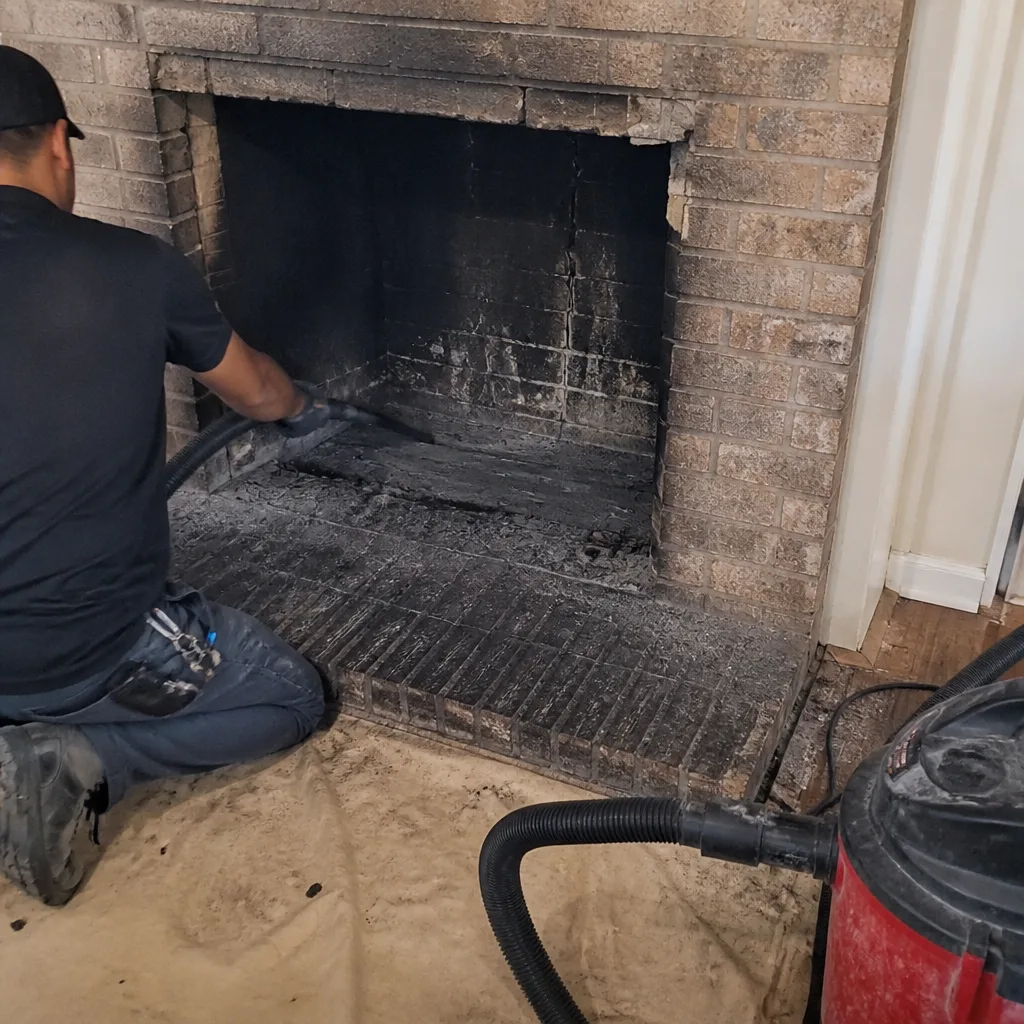
- Setup and protection. Drop cloths go down around the fireplace and hearth, and the work area is sealed against dust. A vacuum is typically connected at the firebox so soot gets captured rather than pushed into the room.
- Top-down brush work. The sweep accesses the roof and works a brush or rotary head down the flue liner, removing soot and Stage 1 creosote.
- Firebox and damper cleaning. The smoke chamber, damper, and firebox are cleaned thoroughly, not just wiped.
- Camera inspection. With the flue clean, a camera run through the liner lets the sweep evaluate the liner interior, the smoke chamber, the connection above the firebox, and the condition of the crown and cap. This is where problems actually get identified.
- Report and recommendations. Findings get documented and discussed. If the liner is compromised, options like a DuraFlex liner system or HeatShield resurfacing are put on the table. If the cap is missing or damaged, a Gelco cap is a common fix. If nothing needs attention, that’s the report, and it’s a genuinely good outcome.
Notice that the cleaning is only half of the visit. The inspection is where the value of a full-service relationship lives, and it’s why we do the sweep and the assessment in the same appointment. A homeowner in Uptown who has us out for a sweep gets the benefit of the diagnostic look, and any structural issue that turns up can be handled as part of the same relationship, not referred to a separate contractor. When a repair is needed, chimney repair work can pick up where the inspection left off. If the firebox itself needs attention, fireplace repair is covered too, so one call handles the whole system.
Creosote Stages and Why They Matter in Uptown
Creosote is the residue left behind by wood smoke, and it’s the main reason chimney cleaning exists at all. It’s worth understanding because the stage of creosote in your flue determines what kind of cleaning actually removes it, and the difference between a soot brush and a rotary cleaning head matters enormously here.
- Stage 1: Soot and light flaky deposits. This is what a brush removes easily. It’s what a lightly used fireplace typically produces. A consumer brush kit can handle it.
- Stage 2: Crusty, hard deposits often called glaze. This layer forms from repeated fires with less-than-ideal combustion. It doesn’t come off with a standard brush and it’s a fire risk because it’s concentrated fuel sitting inside the flue. Removing it requires rotary equipment and the trained judgment to know how aggressive to be with the liner.
- Stage 3: Hard, glazed, tar-like deposits. Rare but serious, and genuinely dangerous if ignored. Removal requires professional equipment and a careful assessment of whether the liner can tolerate the cleaning at all. In some cases, replacing the liner is the more appropriate path than cleaning it.
Here in Uptown, the mild winters mean many homes don’t burn the way they would in colder climates, but they still burn enough during the cooler months that Stage 2 creosote is common in flues that haven’t been cleaned in several seasons. The warm, humid summers and the seasonal burn pattern here are exactly why a once-a-year check makes sense for a working fireplace. The good news is that Stage 2 buildup is normal and manageable when it’s caught. The point isn’t to scare you into a sweep; it’s to explain why the sweep exists and why the stage of creosote matters more than the total amount of soot. A professional can tell you which stage you’re at and what it takes to remove it.
Common Mistakes to Avoid
- Cleaning before inspecting. The inspection is what determines whether the cleaning is safe and how aggressive it should be. Doing it in reverse can damage a liner that was already in trouble. Get the inspection first, or at minimum have them done in the same visit.
- Assuming a light use year means no cleaning is needed. An Uptown fireplace used only occasionally can still develop glazed creosote if the wood isn’t well seasoned. The condition of the creosote matters more than the number of fires.
- Skipping the smoke chamber because it’s hard to reach. The smoke chamber is one of the most common places for creosote to hide and cracks to start. A brush run down the flue doesn’t clean it. It has to be cleaned deliberately.
- Ignoring the cap and crown because they’re “up there.” A missing cap is one of the most common causes of water intrusion into a chimney, and water is the most common cause of masonry decay. If you don’t remember what your cap looks like, have it checked.
- Using the wrong brush on an unknown liner. Wire brushes on a soft or damaged liner can cause real damage. The right brush depends on the liner material and condition, which is exactly the thing a homeowner can’t easily verify.
- Treating a cleaning as a substitute for an inspection record. If you ever need to file an insurance claim, a professional record of inspection and maintenance is far stronger documentation than your own notes. The clean itself doesn’t produce that record.
- Burning unseasoned wood to “keep the flue cleaner.” Wet wood produces more creosote, not less. Seasoned wood is the single biggest factor a homeowner controls, and it’s a maintenance choice, not a cleaning one.
When to Call a Professional
Some situations resolve the DIY-versus-pro question on their own. Call a professional if any of these apply: you can’t remember the last time your chimney was inspected, your fireplace has had more than a season of regular use, you see any sign of glazing or hard deposits on the flue walls, your damper doesn’t seal well, you smell smoke in the house when the fireplace isn’t burning, your cap is missing or visibly damaged, or you’re simply not sure what you’re looking at. None of these are alarms, and some will be nothing at all. But each is a case where a professional look produces information you can’t get from a brush kit.
Chimney Sweep Uptown offers free estimates in Uptown. Call (855) 814-8019 to schedule an inspection and a sweep. We answer 24/7, and fast dispatch runs 7am to 7pm. If you call outside that window we’ll book you into the next opening, Sunday through Friday.
See the difference
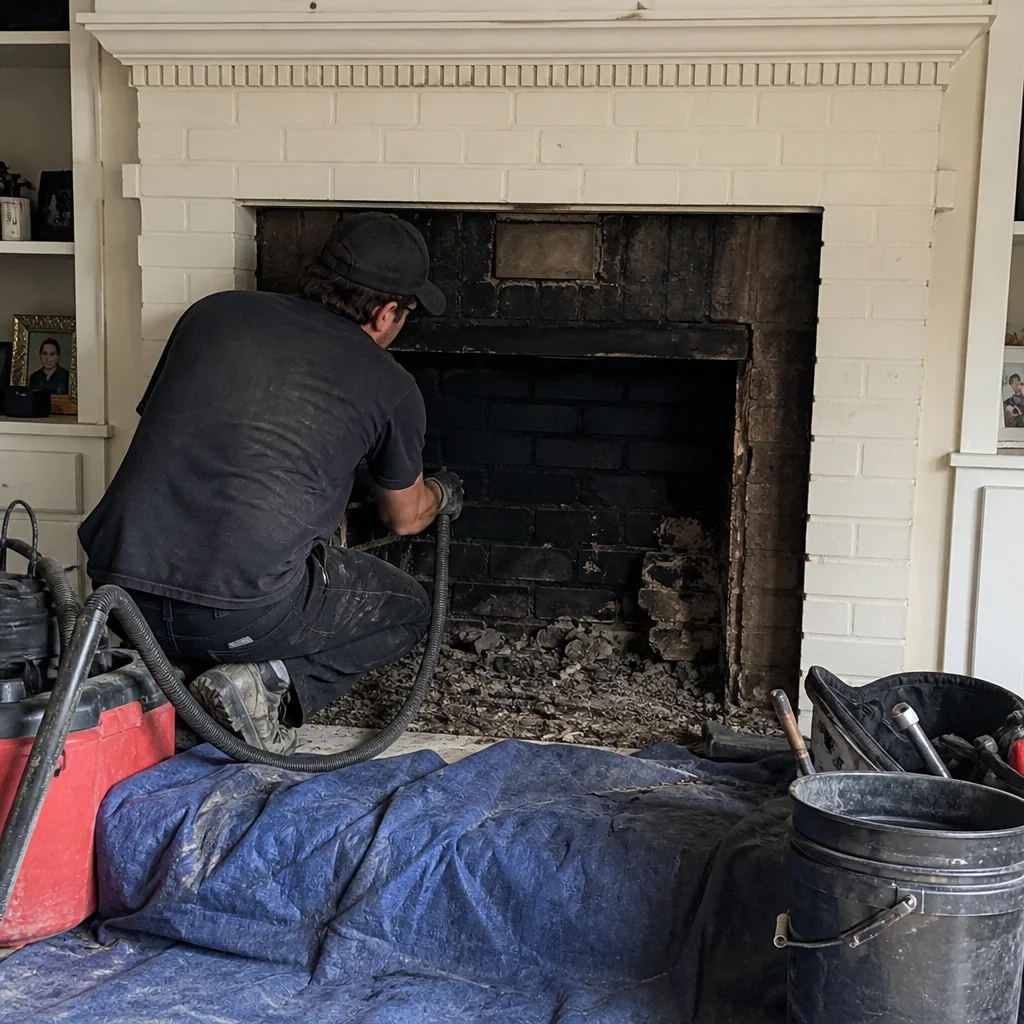 Before
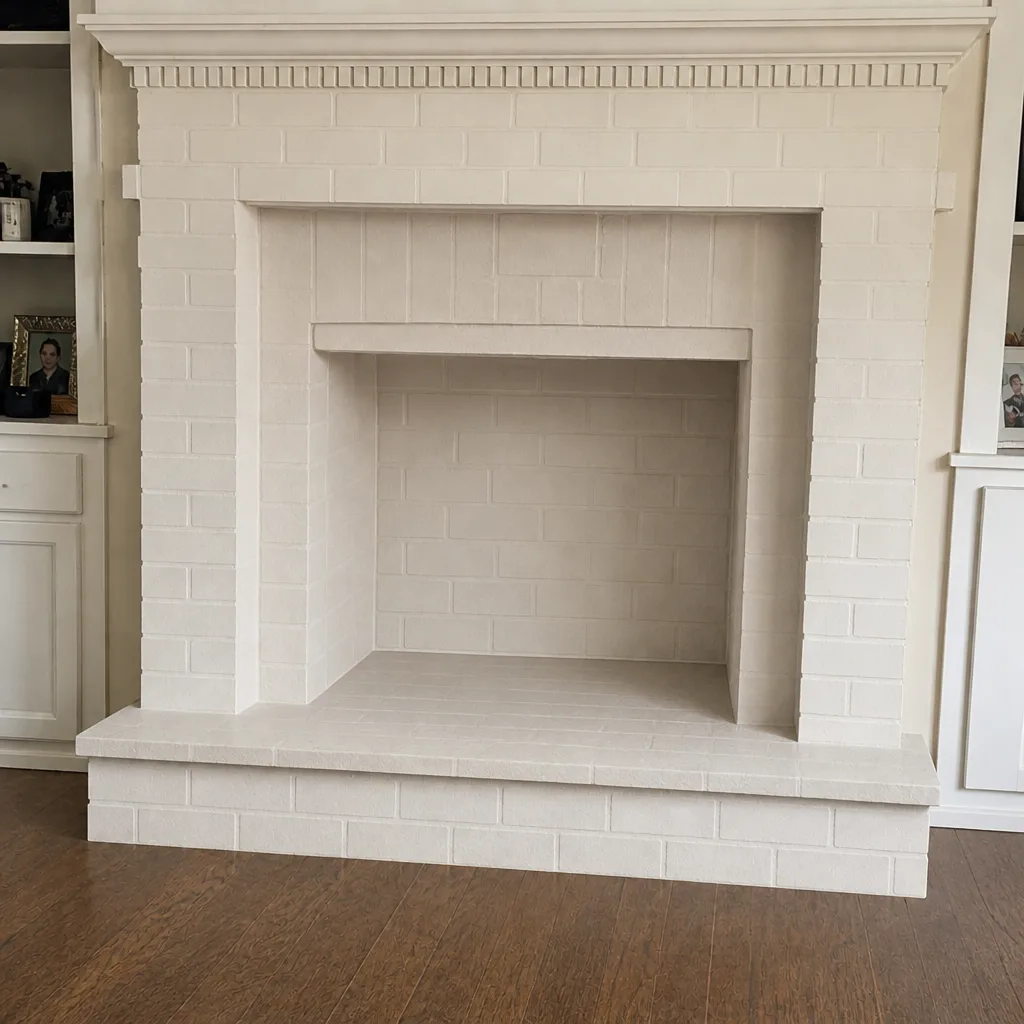 After
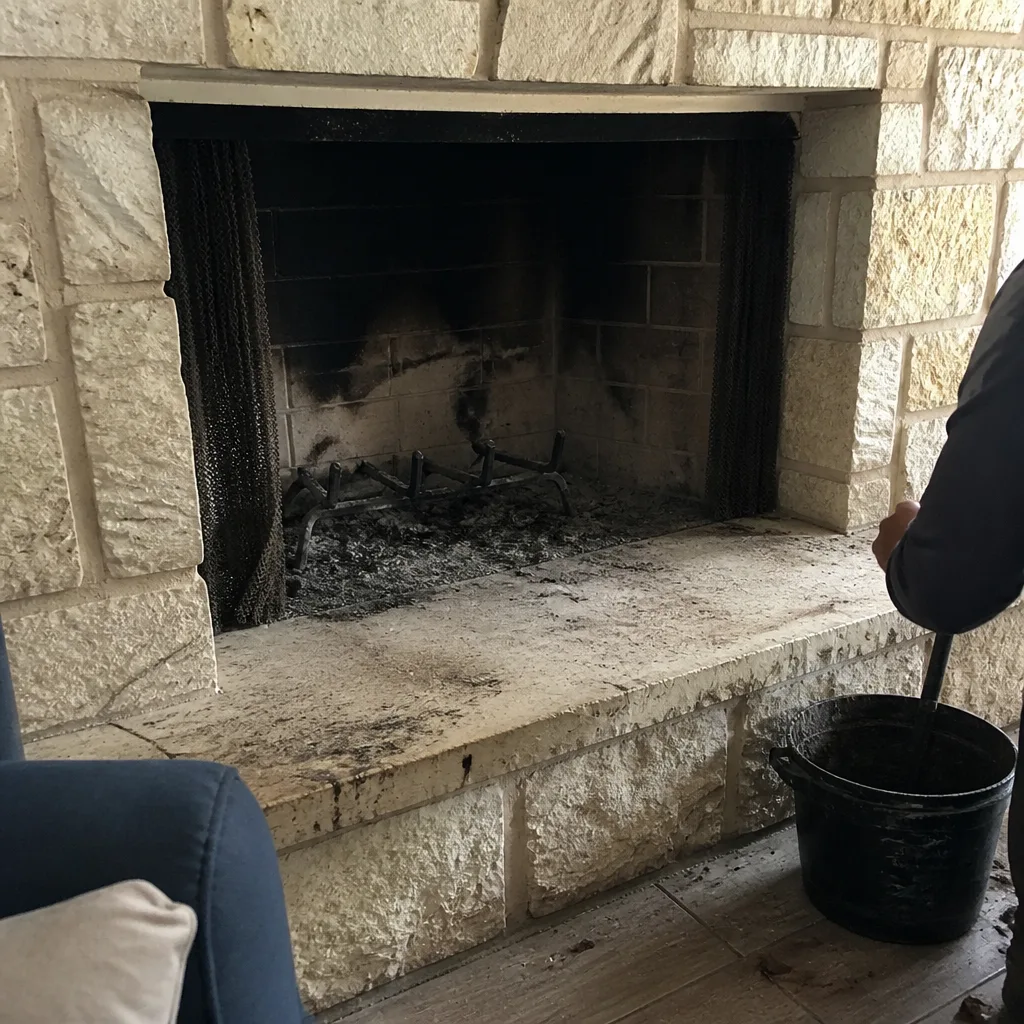 Before
 After
 Before
 After
Frequently Asked Questions
You can safely clean a lightly used, recently inspected chimney yourself with a consumer brush kit. You should use a professional if your chimney hasn’t been inspected recently, if you burn frequently, or if you notice any sign of liner or smoke chamber trouble. The brush can do the soot; it can’t do the assessment. Call (855) 814-8019 for an exact quote on a professional sweep, since estimates are free.
Most wood-burning fireplaces should be cleaned once a year if they get regular use, and inspected annually even if cleaning isn’t needed that year. A lightly used fireplace may be able to stretch between cleanings, provided the inspection is still happening. The inspection is the schedule driver, not the cleaning. Call (855) 814-8019 to book one and get a clear answer for your specific chimney.
Skipping cleaning lets creosote accumulate, and at higher concentrations it becomes a fire risk inside the flue. It also means structural problems like liner cracks or a failing crown go unnoticed and get worse. The risk isn’t immediate on a lightly used fireplace, but it compounds with every season. If it’s been more than a year, call (855) 814-8019 for a professional look, and estimates are free.
Yes, a professional sweep typically cleans and inspects in the same appointment. The camera inspection runs after the flue is clean, so the sweep can see the liner interior and the smoke chamber clearly. If a repair is needed, a specialist like Chimney Sweep Uptown can address it as part of the same service relationship. Call (855) 814-8019 to find a time, and estimates are free.
Most Texas homeowner policies expect reasonable maintenance but don’t specifically reward or prohibit DIY cleaning. What matters in a claim is whether the chimney was maintained and documented. A professional inspection record is stronger evidence than a homeowner’s own notes. If you’d like a written inspection for your records, call (855) 814-8019, and estimates are free.
A professional cleaning removes glazed creosote with rotary equipment, contains the dust with an industrial vacuum, and includes a camera inspection of the flue liner and smoke chamber. A DIY brush removes loose soot but doesn’t evaluate the system. The difference matters most when there’s a problem hiding in the liner, which is exactly the scenario the brush can’t find. Call (855) 814-8019 for the professional version, and estimates are free.
The Bottom Line
The DIY-versus-pro question isn’t about whether a homeowner can push a brush up a flue. It’s about what happens in the moment of cleaning, when the state of the liner, smoke chamber, and connection points is most visible, and whether the person doing the work can recognize what they’re seeing. For a lightly used, recently inspected chimney, a homeowner’s brush has a real role. For anything else, the professional sweep is where the value is, because it produces information, not just a cleaner flue. Our technicians have up to 12 years of experience, and we work with the same trade-grade materials as certified sweeps nationwide: DuraFlex liners, HeatShield resurfacing, and Gelco caps among them. If you’re unsure which side of the line your chimney is on, a professional look settles it.
Call (855) 814-8019 for a free estimate. We answer 24/7. Fast dispatch from 7am to 7pm, Sunday through Friday.
Written by the team at Chimney Sweep Uptown.