
Last updated November 25, 2026
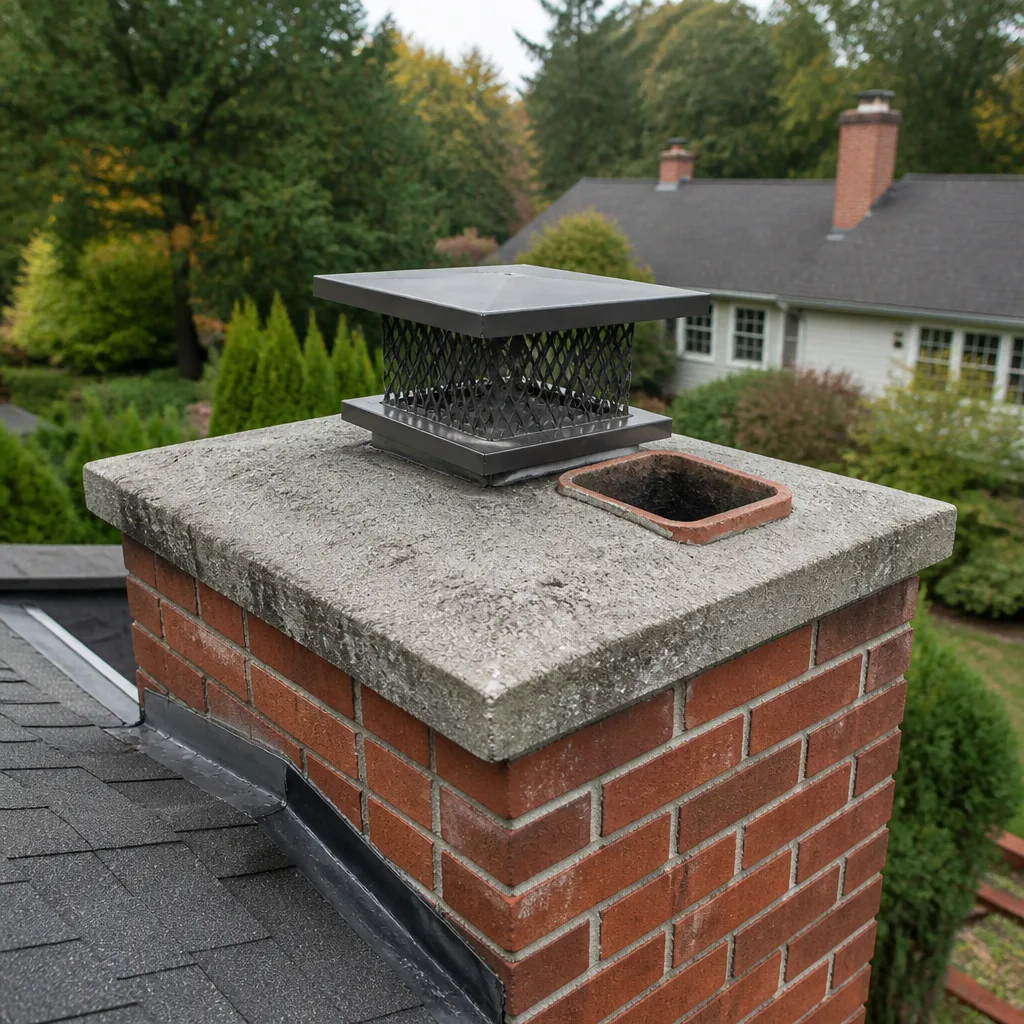 Sweep & inspection
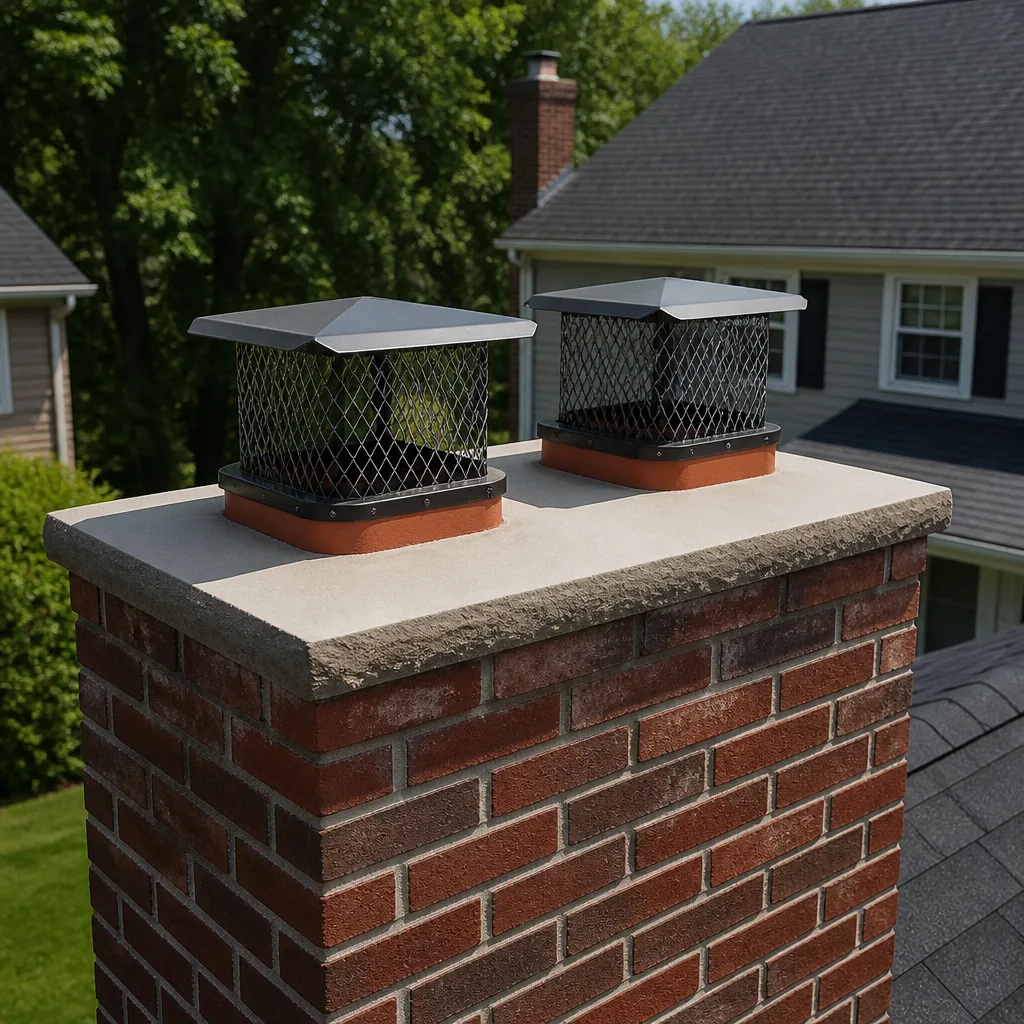 Caps & crowns
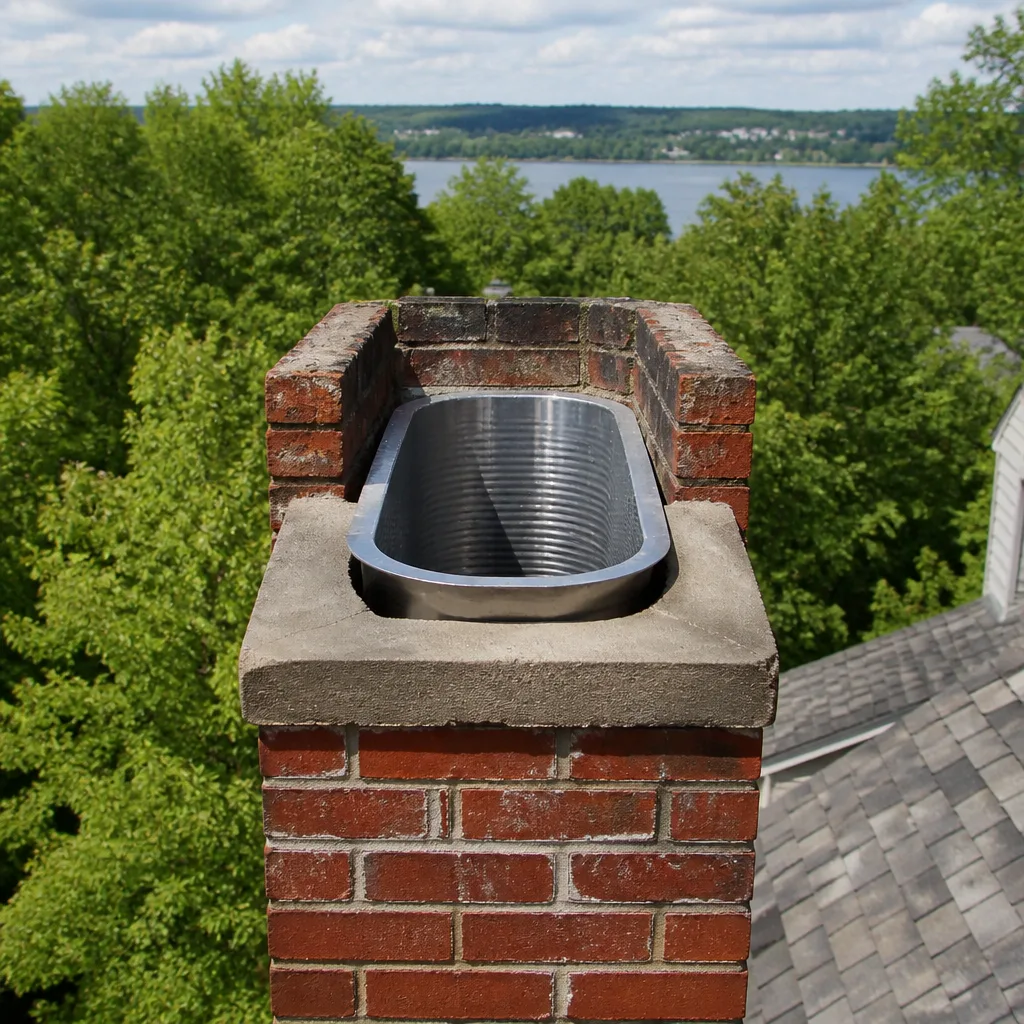 Flue relining
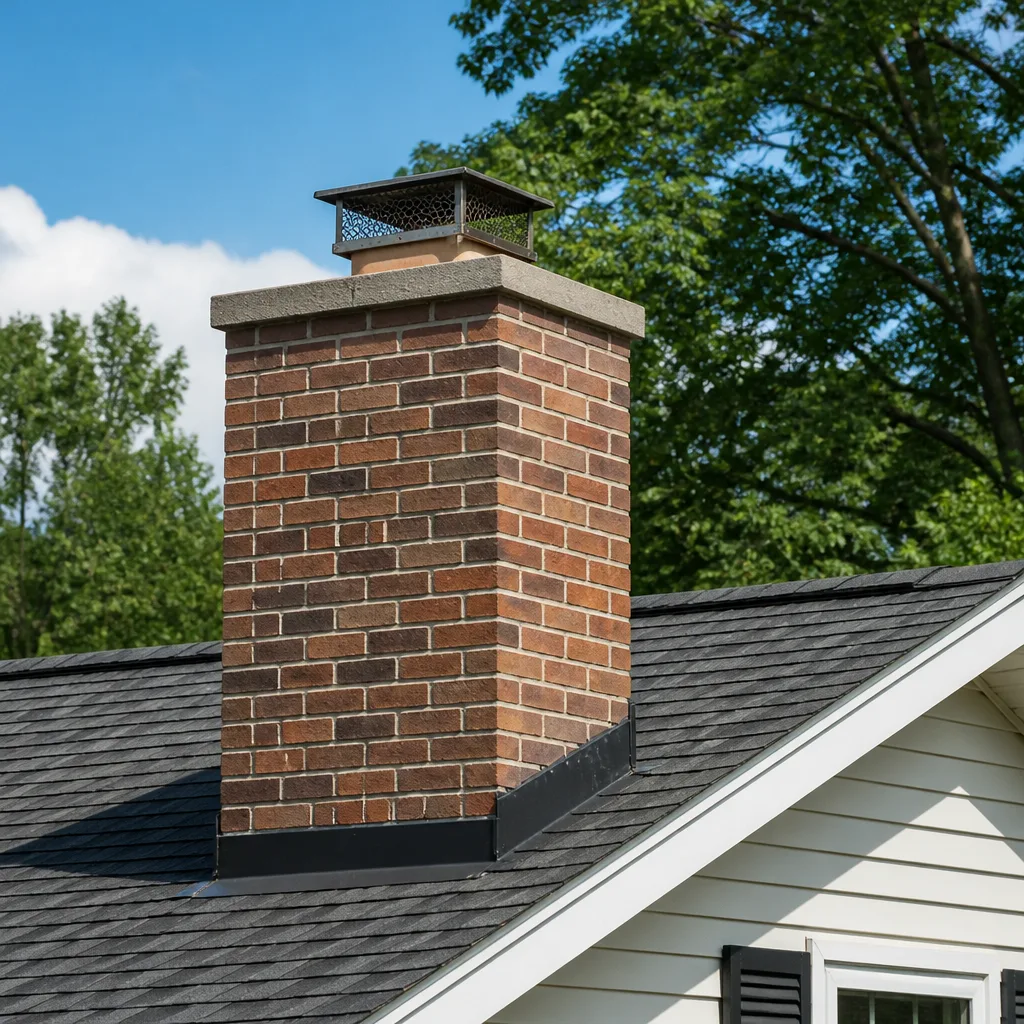 Masonry repair
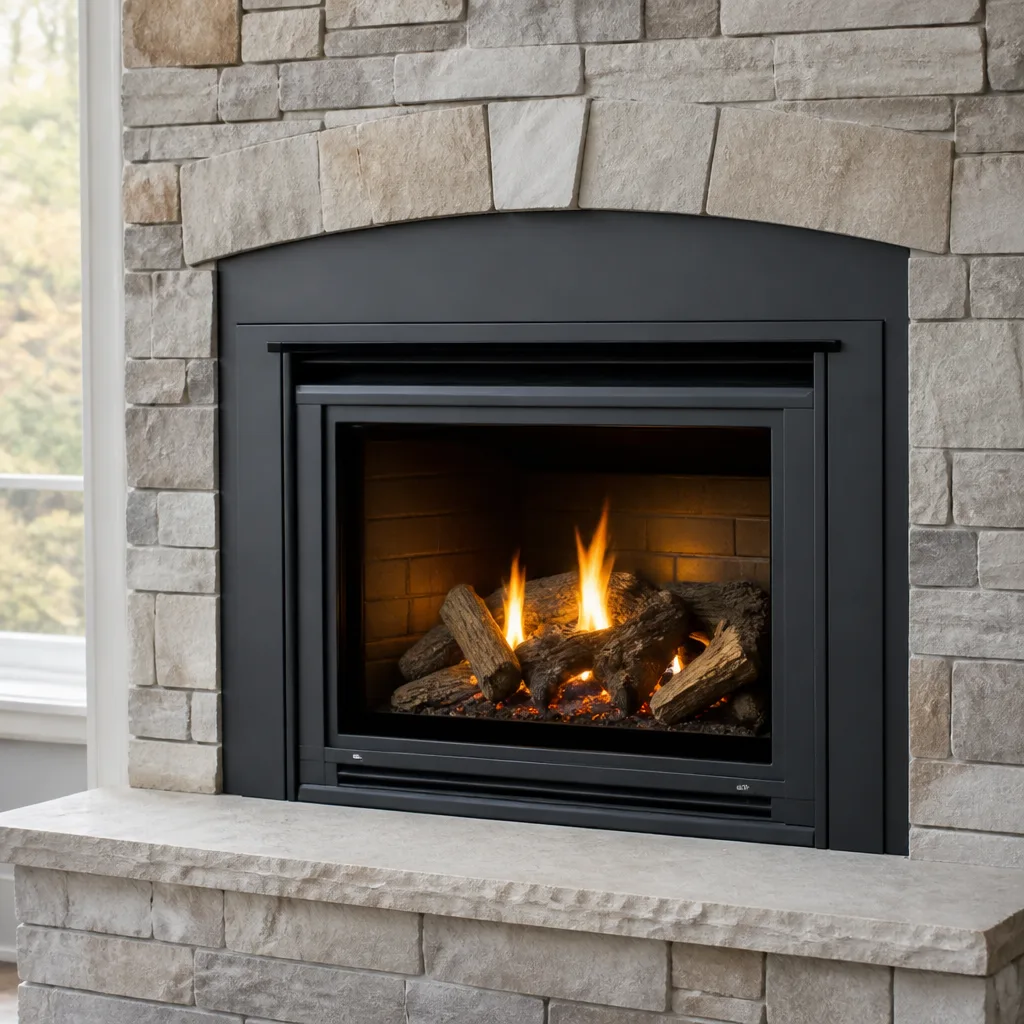 Gas fireplace service
Level 1 sweep and inspection to the NFPA 211 annual standard - flue, crown, cap, and flashing checked and photographed
Chimney sweep logs do not sweep chimneys. They loosen some creosote - which then falls where a brush and vacuum still have to collect it.
Seasonal Chimney Cleaning Care for Uptown: Year-Round Homeowner’s Guide
Most homeowners in Uptown treat chimney maintenance as a cold-weather chore. The truth runs the other way. In North Texas, the months that do the most structural damage to a chimney are the long, hot, humid stretch from April through September, when nobody thinks about the fireplace at all. Moisture works its way into mortar joints, summer sun bakes the crown, and paper wasps treat an unused flue like prime real estate. By the time the first cold front rolls through Uptown, the damage is already done. This guide walks you through a full yearly calendar so your chimney stays sound, safe, and ready whenever you decide to light a fire.
Styles & brands we work with
- Sweep & inspection
- Caps & crowns
- Flue relining
- Masonry repair
- Gas fireplace service
Quick Answer
If you want the short version: a chimney in Uptown should be swept and inspected once a year, and the single best window for that work is late spring, after the burn season ends, not the fall. A summer inspection catches moisture-driven masonry damage and crown wear while the weather is dry and repair work is straightforward. Fall gets a second, lighter check before the first fire, and the fireplace itself should be operated carefully during our short, unpredictable winters to keep creosote in check.
Table of Contents
- Why Summer Does More Damage Than Winter in Uptown
- The April Post-Burn-Season Checklist
- Summer Threats Specific to Uptown’s Climate
- Fall Preparation: Why September Beats November
- Operating Your Fireplace Through an Uptown Winter
- After a Severe Storm: What to Check
- Your Year-Round Chimney Calendar
- Common Mistakes to Avoid
- When to Call a Professional
- Frequently Asked Questions
Why Summer Does More Damage Than Winter in Uptown
In colder parts of the country, the chimney’s biggest enemy is repeated freezing and thawing of trapped water. Here in Uptown, the pattern is different, and it’s worth understanding because it changes the maintenance calendar. Our winters are mild and short. Our summers are long, hot, and humid, and that combination stresses masonry in ways most homeowners never consider until a problem is expensive.
The mechanism is straightforward. Mortar is porous. During the humid months, masonry absorbs moisture from the air and from any rain that finds a weak joint. Then the sun heats the chimney’s outer face, and the masonry expands. When the temperature drops overnight, it contracts. Over a full season of expansion and contraction, hairline cracks widen, joints loosen, and the crown, that concrete cap at the very top, starts to weather. Once a crown cracks, water gets in behind it, and the slow damage accelerates.
Meanwhile, an unused flue is an invitation. Birds, squirrels, and paper wasps find open chimneys in Uptown every summer. Nesting material blocks the flue and creates a fire risk the homeowner never sees, because nobody’s looking up there in July. Creosote left in the flue from the previous winter also sits through the heat, and while heat alone won’t ignite it, the seasonal buildup is why a fall sweep after a summer of neglect can reveal a serious blockage.
Our technicians have up to 12 years of experience, and the pattern we see across Uptown is consistent: chimneys that go untouched from spring to fall arrive at winter with more issues than the homeowner expects. The fix is to move your annual chimney sweep earlier in the calendar. That’s the core idea behind everything below.
The April Post-Burn-Season Checklist
April is the single most valuable month on the Uptown chimney calendar. The burn season has ended, the weather is dry enough to inspect and photograph, and any repair work can be done before the summer heat locks in. Here’s what a proper post-winter review should cover.
- 1. Sweep the flue. Even a partial winter of fires leaves creosote and ash. A spring sweep clears the flue before summer humidity has a chance to interact with acidic residue on the masonry. It’s the foundation for everything else.
- 2. Inspect the firebox and damper. Look for cracked firebrick, crumbling mortar at the firebox seams, and a damper that no longer seals. A leaking damper sends heated air up the flue in summer and lets humid air in, both of which cost you.
- 3. Photograph the crown and cap. The crown is the top surface of the chimney; the cap is the hood above the flue. Both protect the whole structure from water. Cracks, spalling, or a rusted or missing cap are easier to spot and repair in spring than after a summer of rain.
- 4. Check the flashing and chimney exterior. Look for gaps where the chimney meets the roof. These are a common entry point for water and for pests.
- 5. Confirm the flue is clear of nests. Shine a light down from the top or up from the firebox. Any animal activity means a sweep and inspection before the flue is used again.
This check is a good moment to bring in a specialist, because a thorough review needs eyes at the top of the chimney, not just the bottom. A proper Chimney Sweep Uptown visit combines the sweep with a Level 1 or Level 2 inspection, so the condition of the flue and the visible exterior are documented in one trip. From inspection to repair, one company, one standard of work.
Summer Threats Specific to Uptown’s Climate
The Uptown summer is where the counterintuitive part of this guide lives. Heat and humidity do their damage quietly, over weeks, and usually without a single dramatic event. Here are the threats that matter most from May through September.
- Moisture expansion in mortar joints. Humid air and intermittent rain soak into the mortar. The sun then heats the masonry and drives expansion. Repeated daily over a whole season, this cracks joints and loosens the bond between brick and mortar, particularly on a chimney face exposed to afternoon sun.
- UV degradation of the crown. The crown is a horizontal concrete surface, fully exposed to the sun. UV and heat cause the surface to chalk, craze, and crack over time. A small crack lets water in; that water works beneath the crown and starts to break down the masonry below it.
- Wasp and bird nesting in an unused flue. Paper wasps build in the flue and under the cap. Birds nest in the smoke chamber or on the damper. Neither can be seen from the living room, and both are a fire and ventilation problem when the cold returns.
- Rusting of the damper and cap hardware. Summer humidity corrodes metal components. A damper that rusts shut or a cap whose fasteners corrode are common Uptown findings by late summer.
- Deteriorating firebox mortar. Leftover ash and soot hold moisture against firebrick and mortar during the humid months, accelerating the breakdown of the firebox lining.
This is why the spring inspection is so valuable in Uptown specifically. A home in a colder climate can get away with an October check. A home here benefits from a spring review that addresses moisture and UV issues while the weather is dry and repairs will hold. We install chimney cap & crown protection using Gelco caps and HeatShield resurfacing because these are the components most exposed to a North Texas summer.
Fall Preparation: Why September Beats November
Every year, the same thing happens in Uptown. The first genuinely cold week arrives, half the neighborhood wants a chimney sweep at once, and the homeowners who waited are the ones who find out their damper sticks or their flue is blocked. September scheduling avoids that entirely, and it’s not just about convenience.
When you book in September, three things happen that don’t happen in a November rush. First, you get a genuine margin of safety. If the inspection turns up a cracked crown or a deteriorating flue liner, there’s time to fix it properly before the first fire, rather than choosing between a risky burn and a cold house. Second, any repair work has a wider window and can be scheduled without pressure. Third, you’re not dealing with a backlog of every other homeowner who suddenly remembered their fireplace.
September also lets you do a final, quick cleaning that’s lighter than the spring sweep. The flue is mostly clear from the spring work; a fall pass removes any summer debris, confirms the cap and crown are still sound, and gives you a clean flue for the season. It’s a check, not a full reset.
The fall prep itself is short:
- 1. Schedule the clean-and-check in September. Aim for the first half of the month, before the first cold snap.
- 2. Confirm the cap and crown are intact. After a full summer of sun and rain, these are the most likely items to need attention.
- 3. Clear any summer debris. Nests, leaves, and animal activity all get removed before the first fire.
- 4. Test the damper and firebox. Open and close the damper fully, then visually confirm the firebox is free of cracked brick and loose mortar.
- 5. Walk the exterior. Check the flashing at the roofline and look for any loose brick or visibly deteriorating mortar.
Operating Your Fireplace Through an Uptown Winter
The winter fireplace experience in Uptown is different from what you’d expect up north. Our winters are short and variable. You might have a string of mild days followed by a real cold snap. That pattern encourages a specific mistake: burning in bursts, with hot fires on cold nights and nothing for weeks, which builds creosote unevenly and stresses the firebox.
The goal during an Uptown winter is steady, moderate burning. A few habits go a long way:
- Burn dry, seasoned wood only. Wet or green wood produces more creosote and more smoke. If you can’t confirm the moisture content, let the wood sit longer.
- Don’t smolder. A fire that’s choked down to burn slowly produces cooler smoke, which deposits creosote faster. A lively, hot fire with adequate air is cleaner. Control heat with the size of the fuel load, not by starving the fire of air.
- Open the damper fully before you light and keep it open until the fire is completely out. Smoke that lingers in the firebox deposits creosote on the smoke chamber walls.
- Keep the firebox clear of ash buildup between burns. A thick ash bed can stress the grate and firebrick.
- Watch for a smoky or lazy fire. If a fire that used to burn well starts to smolder or smoke into the room, stop and treat that as a symptom of a blocked or partially blocked flue. Call for a sweep before the next fire.
Gas fireplaces follow a different routine. They don’t produce creosote, but the flue can still become blocked, and the firebox and venting still need checking. Both wood and gas fireplace owners should have the system looked at once a year.
In our experience, the homes that run into trouble in Uptown are the ones that switch from “no fires at all” to “constant fires” without any check in between. A fireplace repair visit at the end of the season is often cheaper than the damage a neglected firebox causes over a full summer.
After a Severe Storm: What to Check
Uptown gets its share of severe weather, and a single hail storm or high-wind event can set a chimney back in one afternoon. After any significant storm, walk the exterior and look at the top of the chimney before you use the fireplace. This is a visual check, not a repair; anything more goes to a specialist.
- 1. Check the crown and cap first. These are the most vulnerable parts. Look for new cracks in the crown, a cap that’s shifted, dented, or missing, and any debris that’s been driven into the flue.
- 2. Look for loose or missing mortar. A storm can dislodge mortar joints that were already weakened by summer heat.
- 3. Confirm the flashing is intact. Where the chimney meets the roof, flashing can lift or tear. This is the top source of roof-level water intrusion around a chimney.
- 4. Clear any downed limbs or nests from the flue. Don’t reach in from the firebox, and don’t go on the roof yourself. If debris is lodged, call a professional.
- 5. Test the damper before lighting. Ensure it moves freely and seals properly.
If a storm has cracked the crown or displaced the cap, the practical answer is usually a new cap-and-crown installation rather than a patch. Because this work is a specialty many sweep-only companies don’t handle, it’s worth having a specialist look at it. We fit Gelco caps and resurface crowns with HeatShield precisely because those are the parts that take the most punishment from Uptown weather.
Your Year-Round Chimney Calendar
The whole guide fits into one simple year. Here it is in a glance, so you can plan around it rather than react to it.
| Season | What Happens | What You Do |
|---|---|---|
| April (post-burn) | Burn season ends; best window for inspection | Schedule a sweep and Level 1 or 2 inspection; photograph crown and cap |
| May – August (summer) | Heat, humidity, UV stress; pest nesting | Keep the flue capped; watch for wasp activity; don’t skip the spring inspection |
| September (fall prep) | Pre-season window; biggest safety margin | Book the fall check and clear summer debris before the first cold snap |
| October – February (winter) | Active burn season | Burn dry wood steadily; keep the firebox clear; watch for smoky fires |
| Any time (storm) | Severe weather events | Walk the exterior; check crown, cap, and flashing; call before using |
That table is the essence of the counterintuitive point: in Uptown, the most important chimney work happens in the months when the fireplace is off. Spring is the deep check, fall is the pre-season confirmation, and winter is just operation.
Common Mistakes to Avoid
- Waiting until November to book a sweep. By then, any issue found during the inspection has no time to be fixed before the first cold snap. Book in spring for the inspection and in early fall for the confirmation.
- Assuming no fires means no chimney work. In Uptown, an unused summer flue collects wasps, birds, and moisture damage. A season with no fires is exactly when the structural problems build quietly.
- Ignoring the crown and cap because they’re “up there.” These are the chimney’s first line of defense against water damage. After a North Texas summer of sun and rain, they’re the most likely items to need repair, and they’re invisible from the ground.
- Burning unseasoned wood to save time. Wet wood builds creosote faster and produces more smoke. Dry, seasoned wood is the single easiest habit that protects your flue.
- Choking down the fire to make it last. A smoldering fire deposits creosote faster than a hot, well-aerated one. Control heat with fuel, not airflow.
- Skipping the post-storm check. Uptown weather can crack a crown or shift a cap in a single afternoon. Walk the exterior after any severe event before you light a fire.
- Repatching a failing liner instead of replacing it. A flue liner that’s cracked in several places needs a real repair. We install DuraFlex flexible liner systems because a single failing tile is the sign of a system that needs replacing, not another patch.
When to Call a Professional
Some parts of this guide are homeowner checks. Others should go to a trained professional, and it’s worth being clear about which is which. Call a specialist if you notice a smoky fire that used to burn well, visible cracks in the crown or firebox, a cap that’s loose or missing, water stains on the chimney or ceiling near it, or any animal activity in the flue. Call before the first fire of any season if you can’t remember the last time the chimney was swept. And call after any severe storm that damaged the roof or chimney. A few of these items are genuinely dangerous; a cracked liner or a blocked flue can let carbon monoxide into the home, and that risk is why a trained set of eyes matters. Chimney Sweep Uptown offers free estimates in Uptown – call (855) 814-8019.
Frequently Asked Questions
Once a year is the standard, and in Uptown the best timing is late spring, after the burn season ends and before the humid summer months. A spring sweep clears creosote before summer moisture can interact with it, and a light fall check confirms the flue is clear before the first fire. If you burn often, sweep more often. Call (855) 814-8019 for an exact quote; estimates are free.
Spring gives you a dry-weather window to find and fix moisture and heat damage before summer heat makes repairs harder, and it leaves months of margin before the first cold snap. Fall scheduling in November tends to collide with the annual rush, so any repair has to be rushed. September is the sweet spot for the fall confirmation, so book the spring inspection first. Call (855) 814-8019 for an exact quote; estimates are free.
Sometimes yes, sometimes no, and the difference should be visible. A liner with a single hairline crack may be repairable, but a liner that’s cracked in several places or has missing tiles is a failing system and needs replacement. We install DuraFlex flexible liner systems when the existing flue can’t be reliably used, and we resurface with HeatShield when the tiles can be saved. Nothing is recommended without evidence you can see. Call (855) 814-8019 for an exact quote; estimates are free.
In Uptown, skipping the spring inspection means moisture and UV damage go unaddressed through the summer, and the flue can collect nests and debris. By fall, a small crown crack can become a masonry problem, and a blocked flue can become a safety risk. None of that is a scare tactic; it’s just what a season of neglect produces in this climate. Call (855) 814-8019 for an exact quote; estimates are free.
Yes, and that’s one of the reasons to choose a specialist that does both. A sweep-only company finds a cracked crown or failing liner and hands the problem back to you to schedule elsewhere. From inspection to repair, we handle the whole job, so a finding during the sweep gets addressed in the same service relationship. Call (855) 814-8019 for an exact quote; estimates are free.
Walk the exterior first and look at the crown and cap, which take the most punishment from storms. Check for new cracks in the crown, a displaced or missing cap, loose mortar, and damaged flashing at the roofline. Don’t go on the roof yourself. If anything looks wrong, have it inspected before the next fire. Call (855) 814-8019 for an exact quote; estimates are free.
The Bottom Line
In Uptown, chimney care is a year-round job, and the calendar runs opposite to what most homeowners assume. Spring is the deep check, summer is the season of quiet damage, and fall is the pre-season confirmation. The single most valuable habit is moving your annual inspection to April, right after the burn season ends, so moisture and UV problems get found while the weather is dry. The second is booking September for the fall confirmation. If your chimney hasn’t been checked this year, that’s the place to start. Chimney Sweep Uptown offers free estimates, and you can reach us at (855) 814-8019. We answer 24/7. Fast dispatch from 7am to 7pm, Sunday through Friday.
Written by the team at Chimney Sweep Uptown.
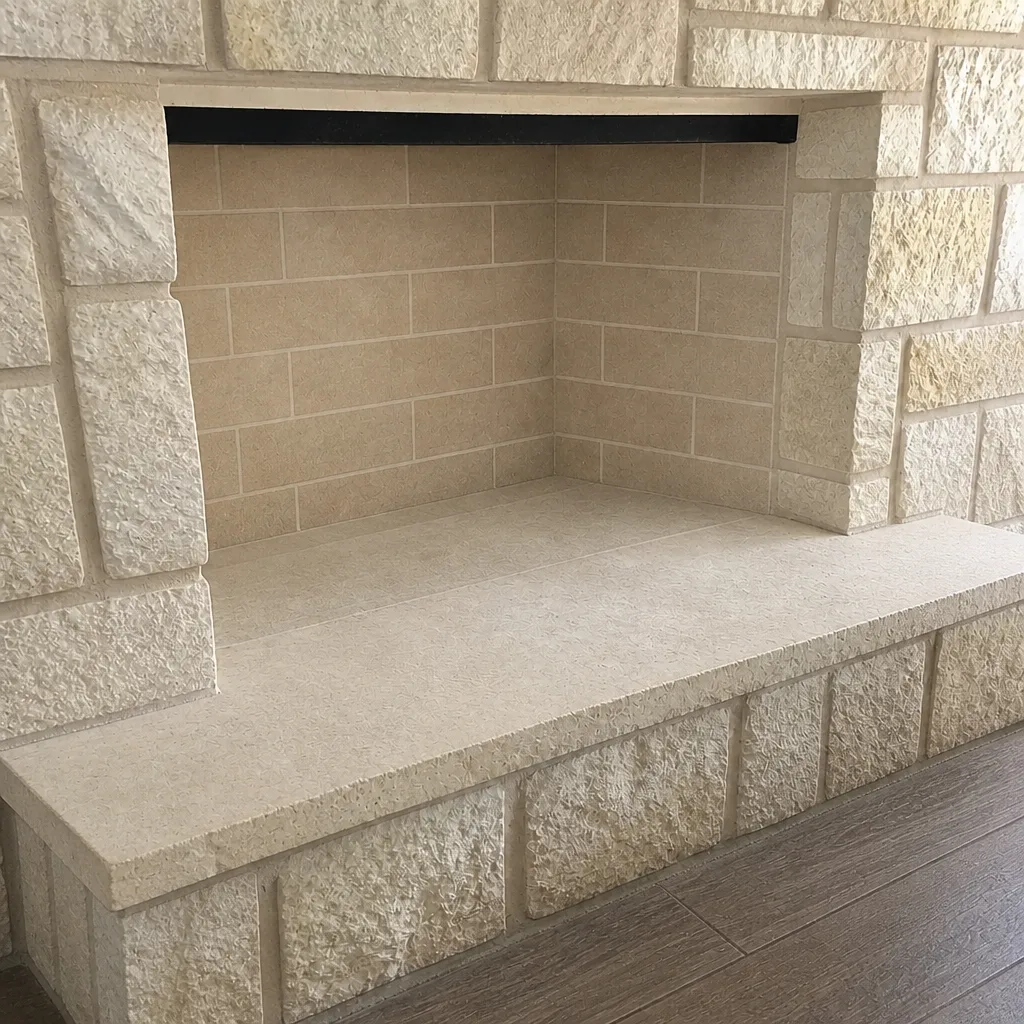
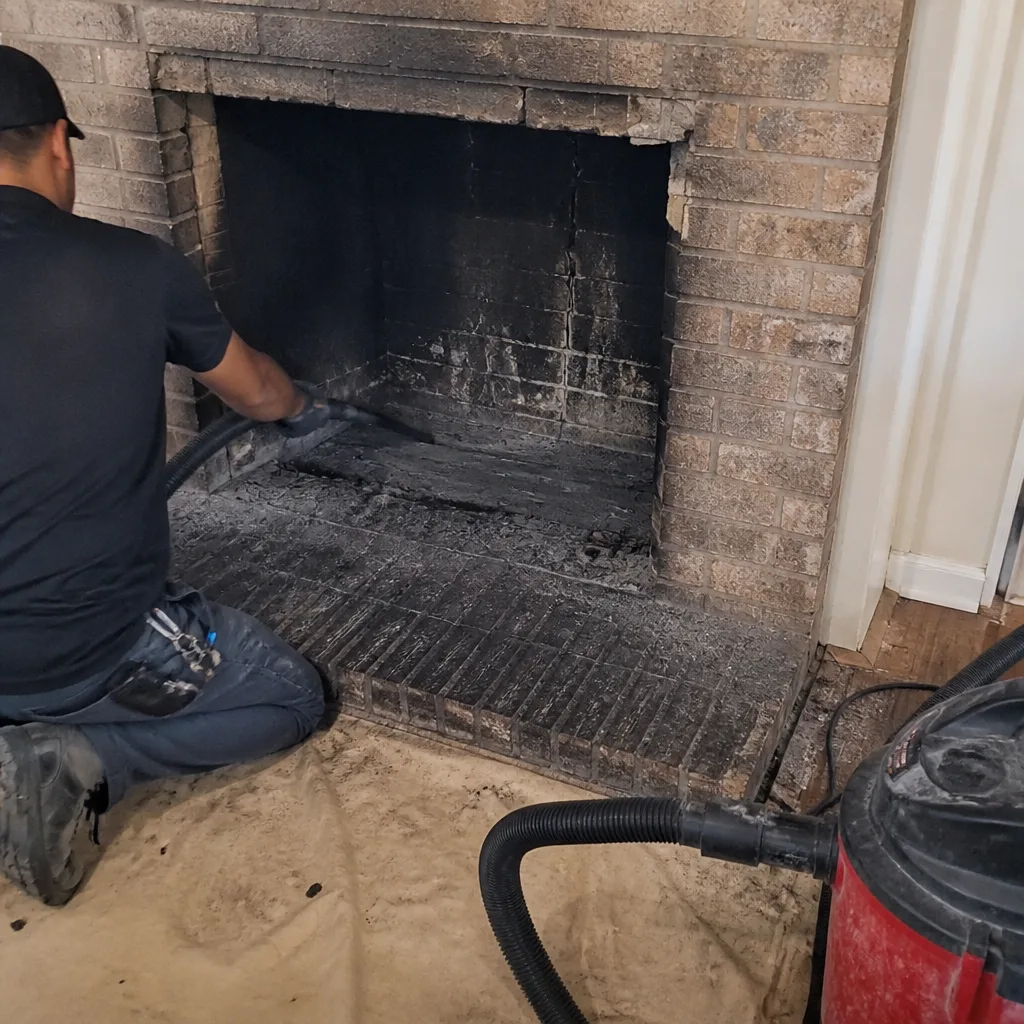
See the difference
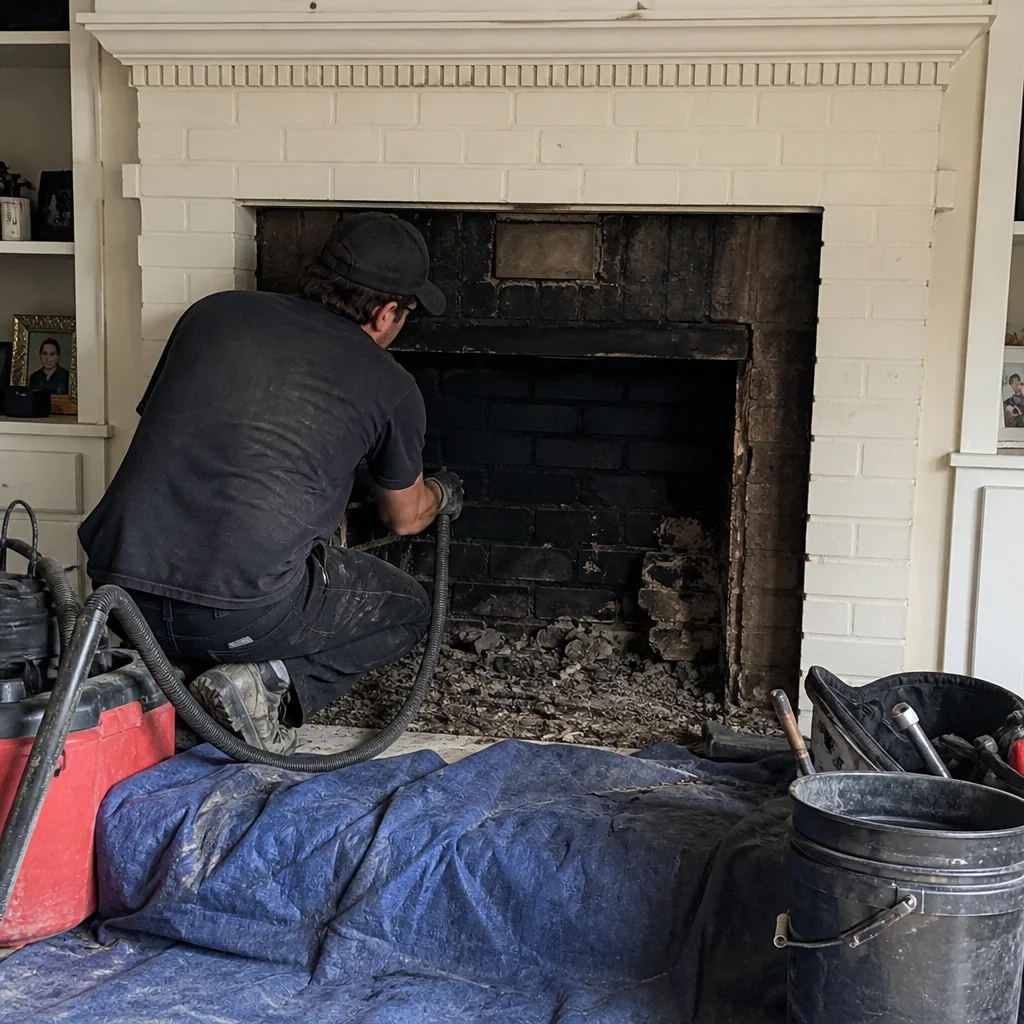 Before
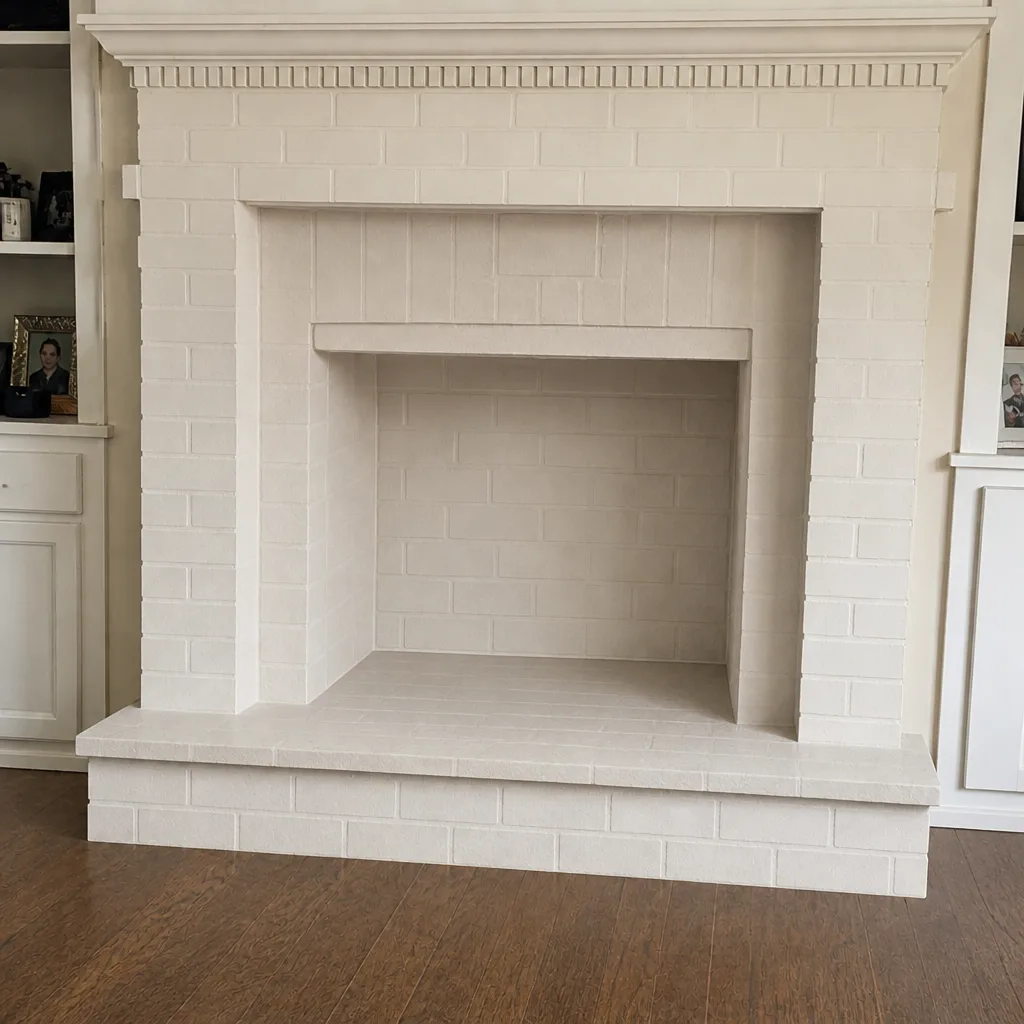 After
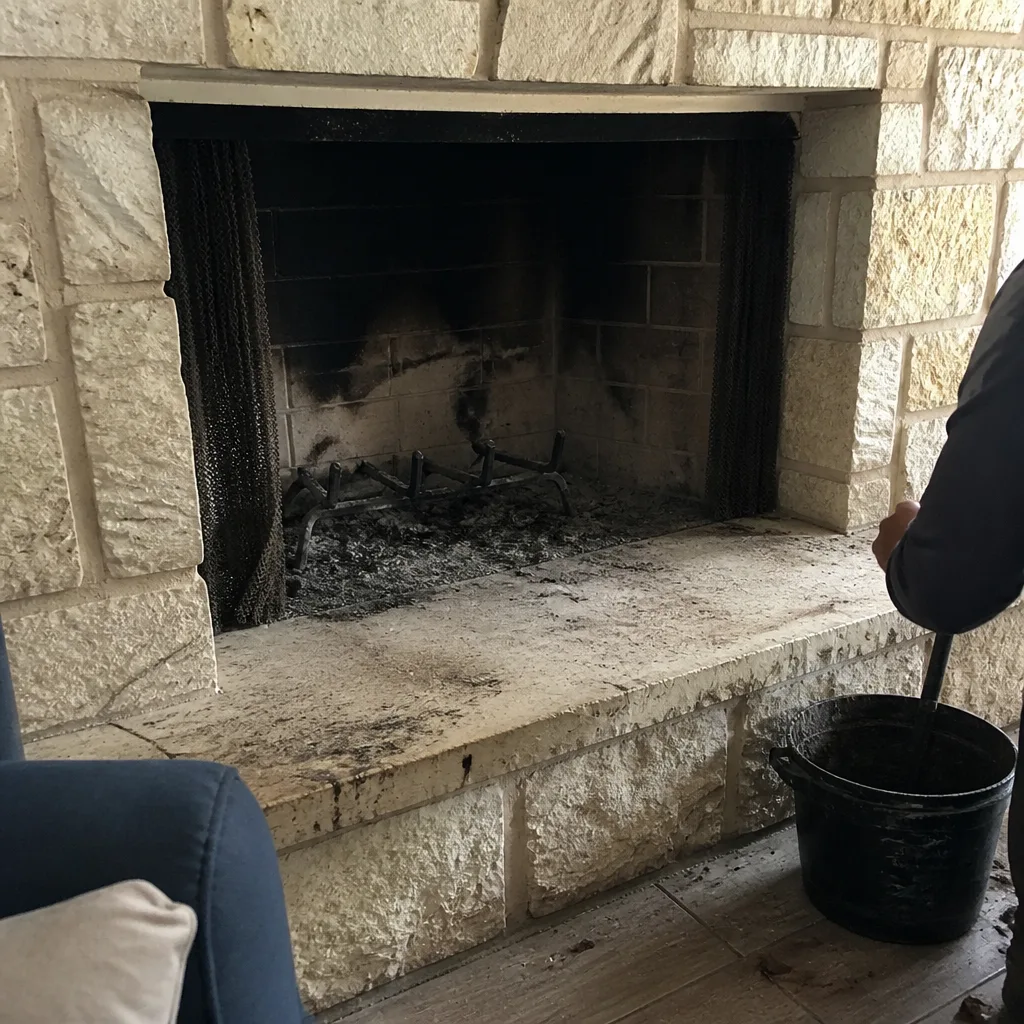 Before
 After
 Before
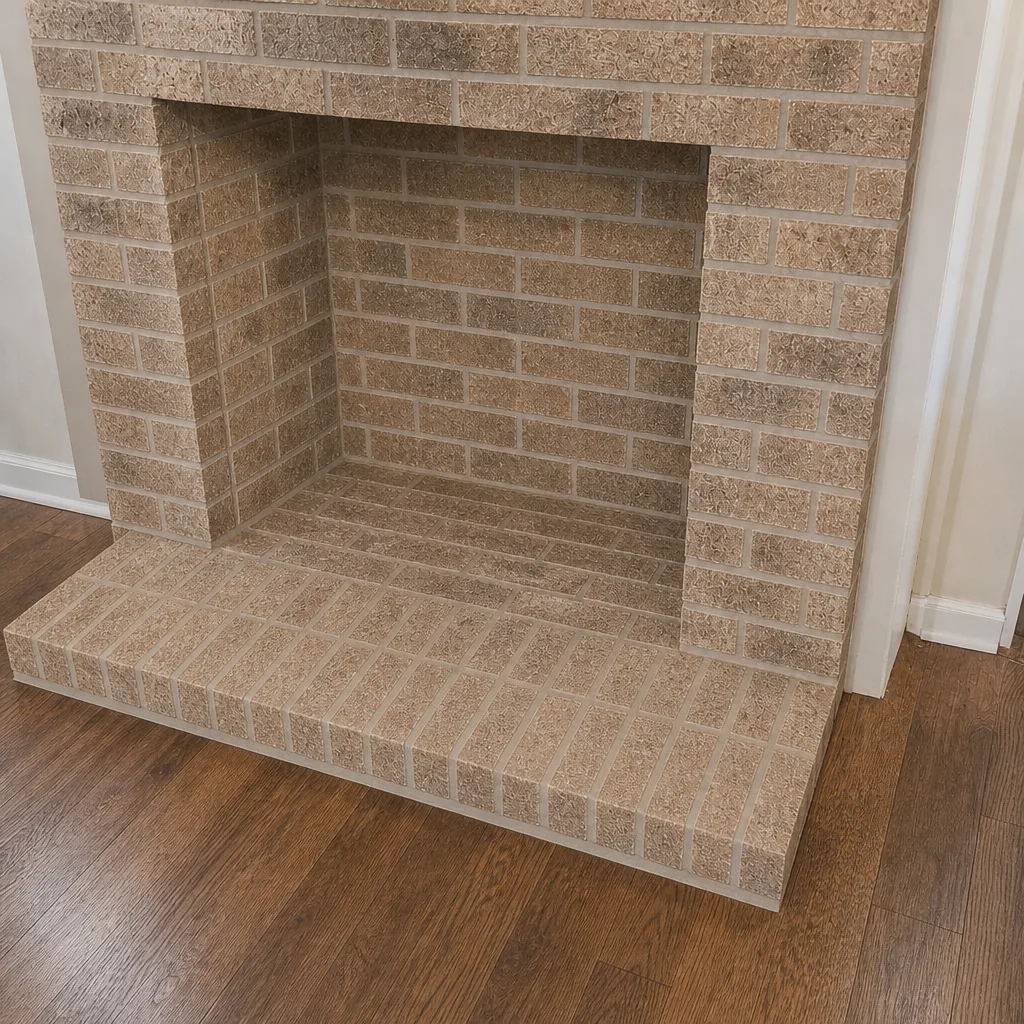 After