
Last updated November 25, 2026
 Sweep & inspection
 Caps & crowns
 Flue relining
 Masonry repair
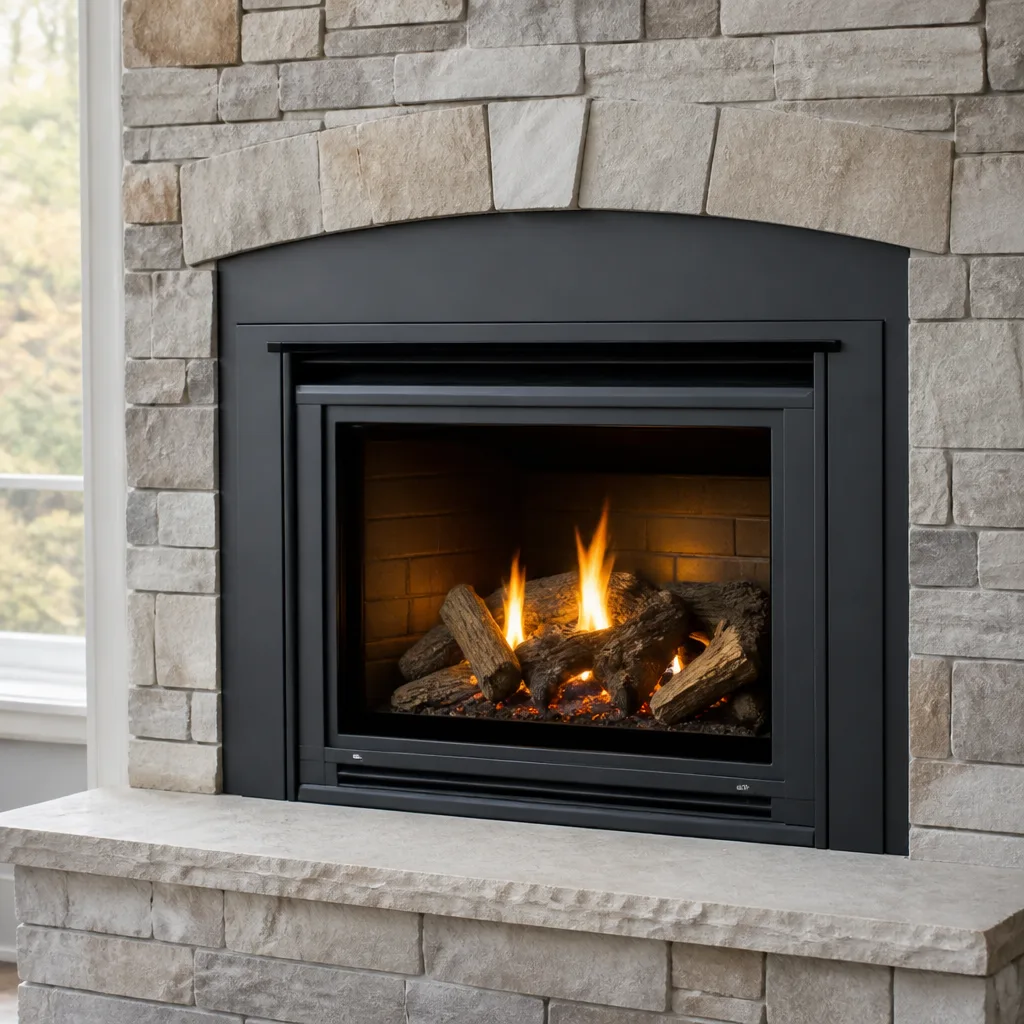 Gas fireplace service
Level 1 sweep and inspection to the NFPA 211 annual standard - flue, crown, cap, and flashing checked and photographed
Chimney sweep logs do not sweep chimneys. They loosen some creosote - which then falls where a brush and vacuum still have to collect it.
Chimney Sweep Maintenance Checklist for Uptown Homeowners
The usual advice says to sweep your chimney once a year, and most homeowners take that as settled fact. But the calendar isn’t what decides when your flue needs attention. What you burned, how much of it, and what your liner is made of matter far more than the number of months since your last sweep. A homeowner who burns two cords of seasoned hardwood a winter and one who lights a few gas logs are not on the same maintenance schedule, and treating them the same is how problems get missed. This guide is built backward from the places chimneys actually fail – crown cracks, flashing gaps, a corroding damper – so every item on the checklist ties to a real consequence. By the end you’ll know what to check yourself, what to hand off, and how to keep a record that works for you in Uptown.
Quick Answer
A chimney maintenance checklist for Uptown homes covers four things: cleaning based on how much wood you burn (not the calendar), a yearly visual inspection of the crown, cap, flashing and damper, gas fireplace service even when there’s no visible soot, and a written maintenance log you keep for insurance and resale. Most wood-burning chimneys need a professional sweep after roughly one cord of wood, and every chimney benefits from an annual inspection by a trained technician.
Styles & brands we work with
- Sweep & inspection
- Caps & crowns
- Flue relining
- Masonry repair
- Gas fireplace service
Table of Contents
- How often should you actually sweep a chimney in Uptown?
- Burn volume: matching cleaning frequency to what you burn
- The five structural checks every homeowner can do
- Gas fireplace maintenance most people skip
- How to log chimney maintenance the right way
- North Texas seasonal triggers: late-summer heat and the first fall fire
- What to do when an inspection turns up a repair
- Common Mistakes to Avoid
How often should you actually sweep a chimney in Uptown?
Most chimney professionals recommend sweeping a wood-burning chimney once a year, but the honest answer depends on your burn habits and your flue. Uptown’s mild winters mean many homes here burn far less than a New England house, so a light user may not need a cleaning on the calendar’s schedule. What matters is how much creosote has built up inside the flue, and that’s a function of wood volume, wood quality, and how efficiently your fireplace burns.
Here’s the practical rule of thumb: sweep after roughly one cord of wood, or once a year, whichever comes first. If you burn more than a cord in a season across Uptown’s cooler evenings, you likely need a sweep partway through the season. If you rarely light a fire, an annual inspection catches problems before they become cleanings.
A trained technician looks at three things before deciding whether a cleaning is needed:
- Creosote thickness on the flue walls – glaze or heavy buildup warrants a sweep.
- Obstructions from nests, leaves, or a crumbling tile.
- The condition of the flue liner – cracks or gaps change the recommendation.
Sweeping on the calendar alone misses light users and over-serves heavy ones. Match the service to the flue, and you’ll get a straight answer on what’s actually needed. That’s how we approach a chimney sweep – inspect first, then recommend only what the pictures show.
Burn volume: matching cleaning frequency to what you burn
Cords of wood per season map to cleaning frequency more reliably than months since the last sweep. Here’s how we think about it in Uptown:
- Under half a cord per season – occasional fires, mostly on cool evenings. An annual inspection usually suffices; a sweep might be every other year if creosote stays thin.
- Half to one cord per season – a regular wood-burner. Plan on one sweep per year.
- One to two cords per season – heavy use. Schedule a sweep when you cross one cord, and consider a second inspection before the next heating season.
- More than two cords per season – frequent fires and long burns. Two cleanings per season are often appropriate, particularly when burning sappy or unseasoned wood.
Wood quality matters as much as volume. Seasoned hardwood burns hot and leaves less creosote; green or soft wood burns cool and deposits more. A homeowner who burns unseasoned oak and keeps the flue damper closed early in the fire can build glaze creosote fast, even at modest volumes. Conversely, a light user burning dry pecan on cold snaps may go two seasons between cleanings with no issue. The count of cords is a starting point – a technician’s visual check is what confirms the recommendation.
If you’re not sure how your cords add up, note your deliveries. A face cord of stacked wood is roughly one-third of a full cord, so three deliveries approximates one cord. Keep them tallied, and the sweep schedule becomes straightforward.
The five structural checks every homeowner can do
These are the visible components you can look at yourself before calling anyone. A quick walk-around each season catches the things that quietly turn into repair bills.
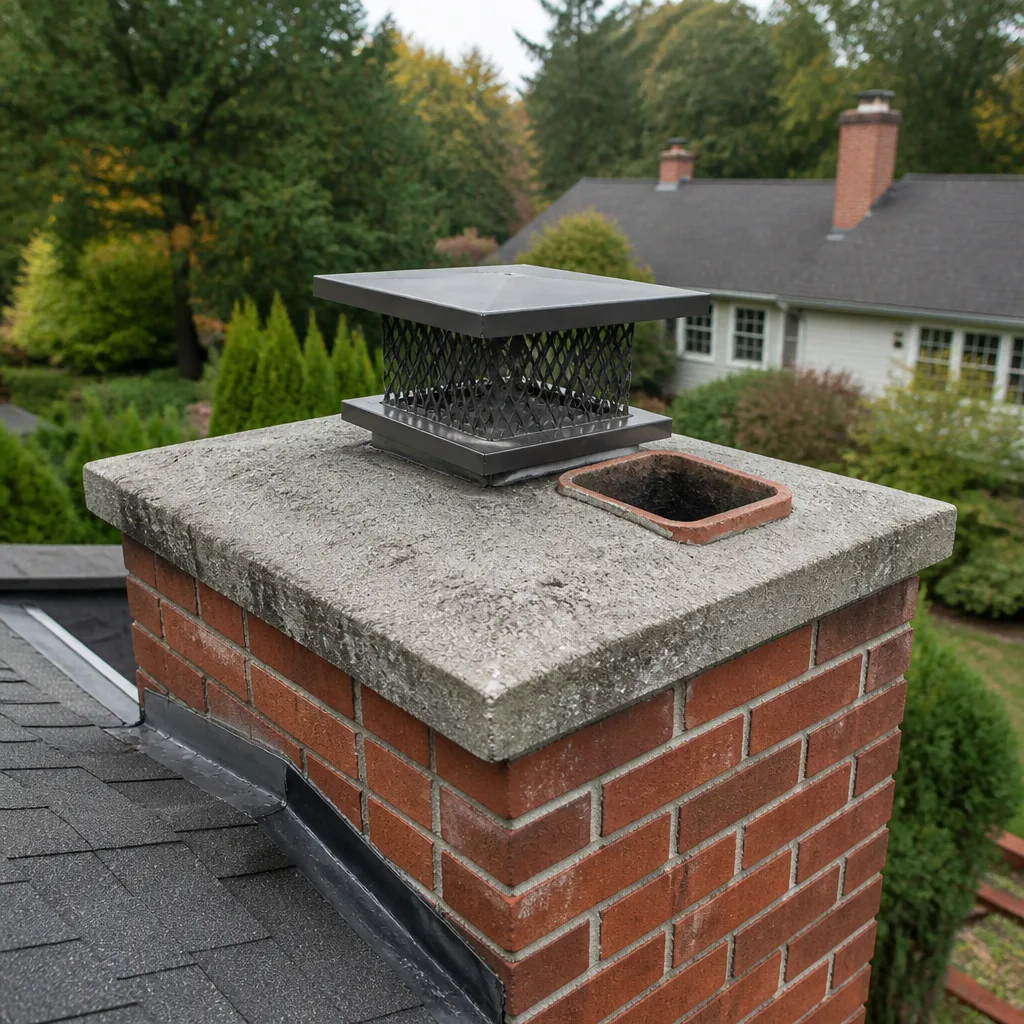
- The crown – the concrete or mortar cap at the top of the masonry stack. Look for cracks, chips, or gaps where it meets the flue. A cracked crown lets water in, and in Uptown’s wet springs that water works down through the masonry.
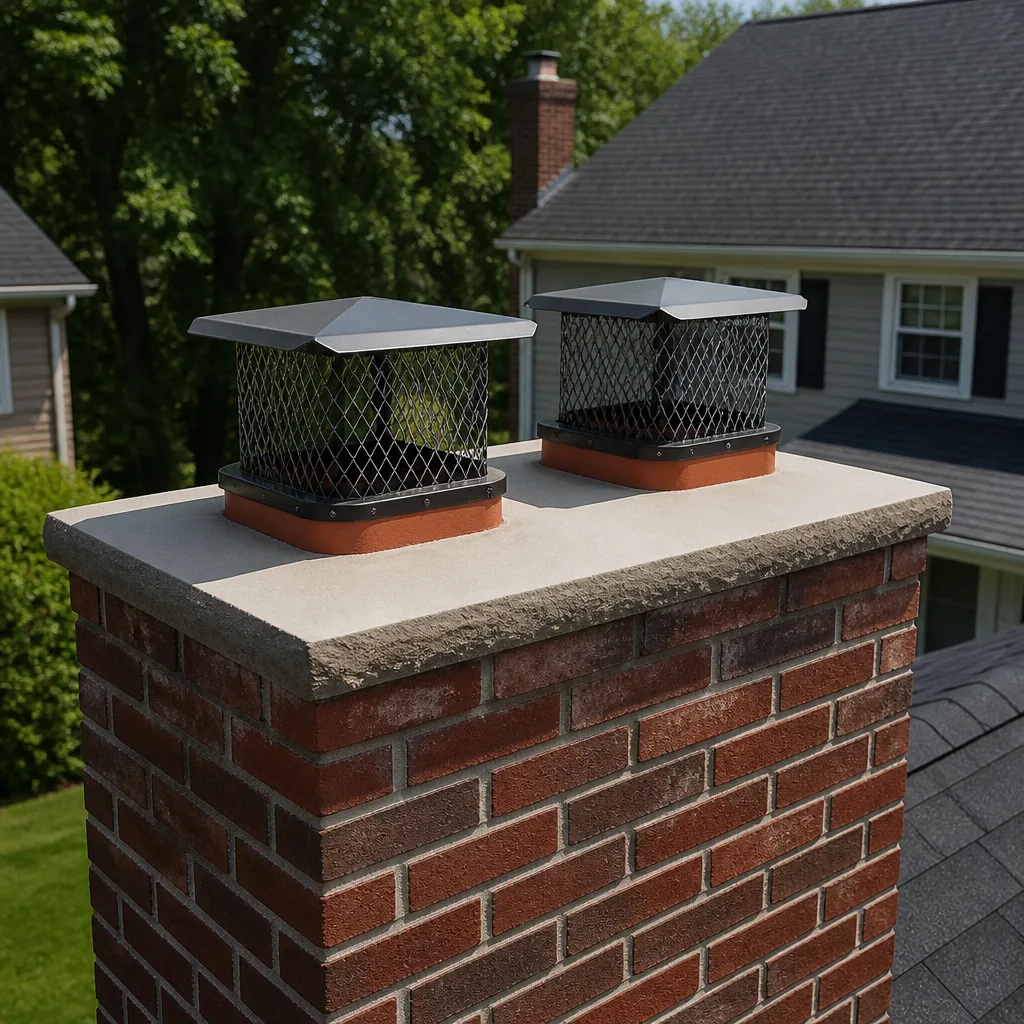
- The chimney cap – the metal cover over the flue. Check that it’s still secured, not rusted through, and free of bird nests underneath. A missing cap invites rain, animals, and debris.
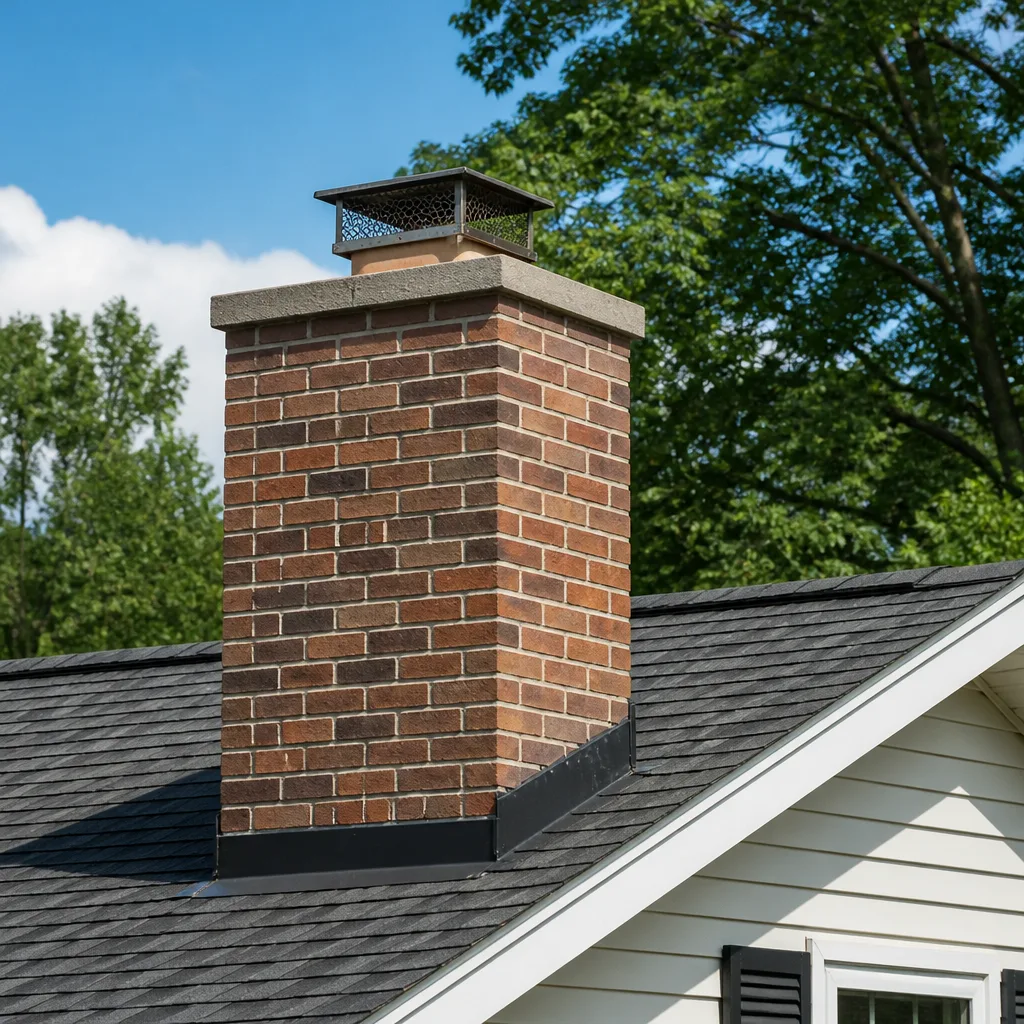
- Flashing at the roofline – the metal seal between the chimney and the roof. Look for lifted edges, gaps, or rust streaks. Water here finds the ceiling, not the chimney.
- The damper – open and close it by hand. It should move smoothly and seat fully. A sticking or propped-open damper wastes heat and can corrode.
- The firebox walls – scan for cracks or missing mortar between firebricks. Small hairline cracks in the paint are normal; deep cracks or loose bricks are not.
None of these checks require a ladder if you can view the chimney from the ground with binoculars. Where you can’t see, note it for the inspection. Learning what a failing chimney cap & crown looks like now saves a masonry repair later, and it gives the technician specific things to verify.
Gas fireplace maintenance most people skip
Gas fireplaces don’t produce soot, so homeowners often assume there’s nothing to maintain. That’s the most common misconception we see in Uptown. A gas unit still has a flue, and it still collects dust, insect debris, and exhaust byproducts that need clearing. Skipping service here has real consequences: a blocked vent or a failing seal can allow carbon monoxide into the living space.
Here’s what a gas fireplace maintenance routine actually involves:
- An annual inspection that includes the venting – even when the firebox looks clean.
- Checking the cap and vent termination for nests, debris, and rust.
- Verifying the flue and combustion air paths are clear.
- Testing the ignition, controls, and gas connections for safe operation (by a qualified technician).
- Cleaning the glass and checking the log set for any displacement or degradation.
The “no soot = no problem” assumption is the one that gets people. If you have a gas unit and haven’t had it serviced in a year or more, put it on the same annual inspection schedule as a wood-burner. And because a gas fireplace can involve gas lines and carbon monoxide, this is a job for a trained professional – never a step-by-step DIY project. A proper inspection closes the gap that a sweep-only visit would miss.
How to log chimney maintenance the right way
A maintenance log seems like a small thing until you need it. It’s the difference between an insurance adjuster approving a claim and pushing back, and between a home inspector flagging your chimney as neglected and passing it. The key is to keep it in a format that’s actually useful to those two audiences.
Here’s a format that works:
- Date and type of service – sweep, inspection, repair, install.
- Provider and technician name – so the record is verifiable.
- Findings – condition of the flue, crown, cap, damper, firebox, liner.
- Work performed – what was cleaned, repaired, or replaced, with the brand of any material used (DuraFlex liner, Gelco cap, HeatShield resurfacing, etc.).
- Photos – before and after, or images of the flue interior if you have a camera report.
- Next recommended service – one line stating when the next sweep or inspection is due.
Keep the log in a single folder, physical or digital. When you sell, that log tells the buyer the chimney was maintained, which is worth more than a vague assurance. When you file a claim, the log shows the loss wasn’t from neglect. And when you call a different provider, everything they need is on paper. A camera inspection report with photos is the most useful single document in the folder, so ask for one when an inspection is performed.
North Texas seasonal triggers: late-summer heat and the first fall fire
Uptown’s climate shapes what your chimney goes through. Our summers run long and hot, and that heat is hard on the chimney’s exterior. The masonry and mortar joints on the sun-facing side of a chimney go through dozens of hot-and-cool cycles across a summer, and hairline cracks open at the joints and in the crown. Those cracks don’t announce themselves. They sit quietly until the fall rains push water into the masonry, and by the first cold snap the chimney is damp and the mortar spalling.
That’s why late summer is the right time for a visual walk-around in Uptown, not the first chilly evening. You have weeks of warm weather to schedule any repair before you want to light a fire.
The first fire of the season is its own trigger. Before you light it:
- Look up at the crown and cap one more time after the summer.
- Check that the damper opens and seats fully.
- Clear any debris that may have settled in the firebox over the off-season.
- Run a quick inspection if you haven’t had one in the past year.
What the seasonal check actually catches is water damage beginning, not just soot. By the time a homeowner notices a stain on the ceiling or a loosening mortar joint, the water has usually been entering for a while. The late-summer check closes that window. Fall in Uptown also brings the first chimney fires of the season, and those are almost always the result of glaze creosote built up over an entire burn season that nobody looked at. The sweep you schedule in September does more for safety than a sweep you schedule in December.
What to do when an inspection turns up a repair
This is the moment most homeowners dread: the technician comes down off the roof and says the crown is cracked or the flue liner is deteriorating. Before you commit to a repair, know what you’re dealing with and what the options are.
A professional inspection should include photographic evidence of what the technician found. Ask to see it. A reputable provider will show you the crack in the crown, the spalled brick, the gap in the liner – not just tell you it exists. This is where a specialist’s repair capability matters. A sweep-only company will hand you a report and send you to a separate contractor for the repair. When you’re working with a provider that handles fireplace repair and structural work in house, the diagnosis and the fix come from the same source of responsibility.
The most common repairs we encounter in Uptown fall into a few categories:
- Crown and cap – cracked crowns repaired with HeatShield or replaced; caps fitted with Gelco or a copper cap from Copperfield.
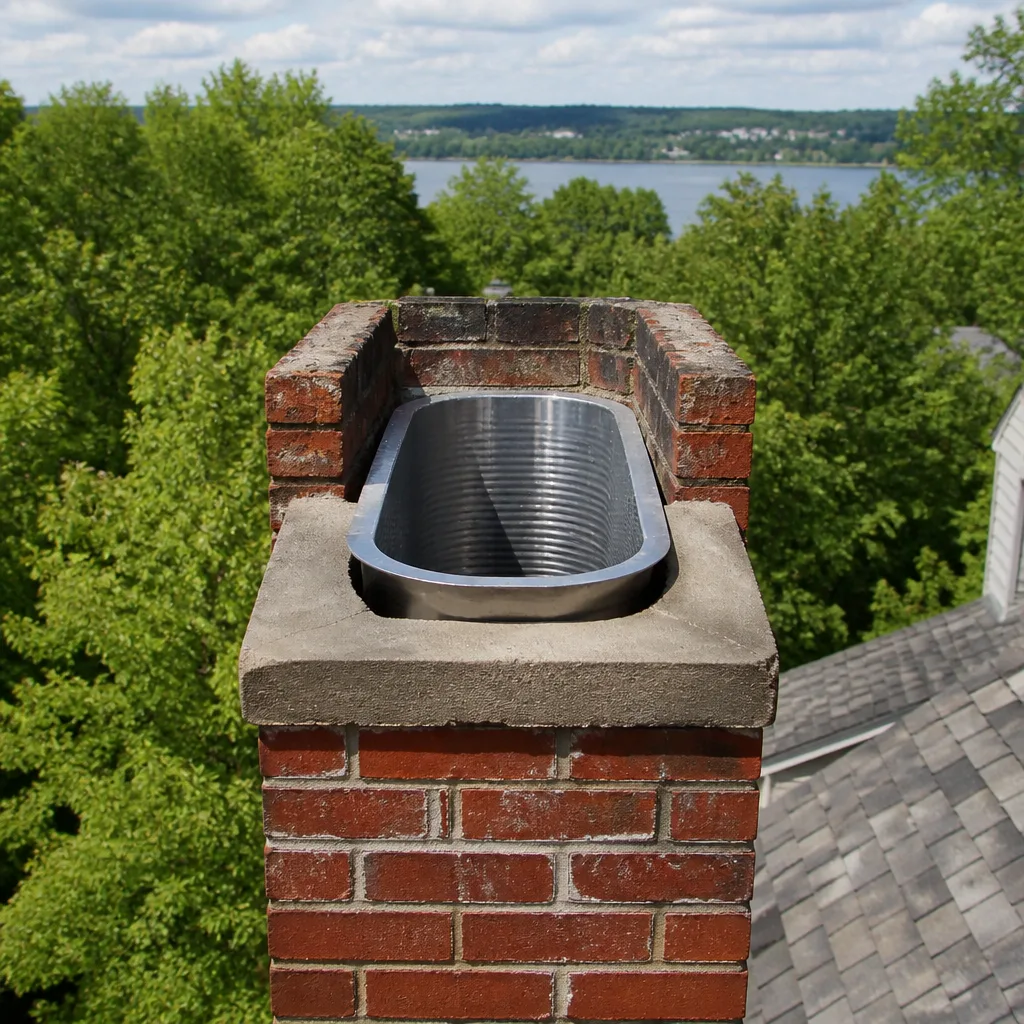
- Flue liner – deteriorating clay tiles relined with a DuraFlex flexible liner system.
- Firebox – cracked or missing firebrick repointed or rebuilt.
Materials matter. DuraFlex, HeatShield, and Gelco are the professional-grade systems we install precisely because they’re the ones designed for the repair, not a generic substitute. Ask what material is being used and why – a specialist should be able to explain it in a sentence.
Some findings are urgent; others can safely wait. A crack in the crown is not an emergency in September if you’re not lighting a fire, but a deteriorated flue liner is a safety issue that shouldn’t be deferred. Ask the technician to tell you plainly which of your findings fall into which category. A good repair recommendation is one you can see and understand, not one you have to take on faith.
Common Mistakes to Avoid
- Sweeping on the calendar instead of the flue. If you burn under half a cord a season in Uptown, an annual cleaning on the calendar may be more service than you need. Get an inspection and let the findings drive the cleaning.
- Ignoring the crown and cap. These are the chimney’s first line of defense against water, and in Uptown’s wet springs, a small crack in the crown becomes a masonry repair by the time it’s noticed. Look at them every season.
- Assuming a gas fireplace needs no maintenance. “No soot” doesn’t mean “no problem.” Annual inspection of the venting and flue is as important for gas as for wood.
- Burning green or unseasoned wood. Wet wood burns cooler and leaves more creosote, which means more frequent cleaning and a higher fire risk. Seasoned hardwood is worth the extra cost.
- Skipping the maintenance log. Without a written record, you can’t prove the chimney was maintained when an insurer questions a claim or a buyer asks. Keep the log, ask for photo reports.
- Hiring a sweep-only provider for a problem they can’t fix. If the inspector can’t repair what they find, you’re paying for a diagnosis and then starting over. Prefer a provider that handles both.
- Putting off the late-summer check. The best window to catch Uptown’s heat-driven mortar cracks is before the fall rains, not the evening you want a fire.
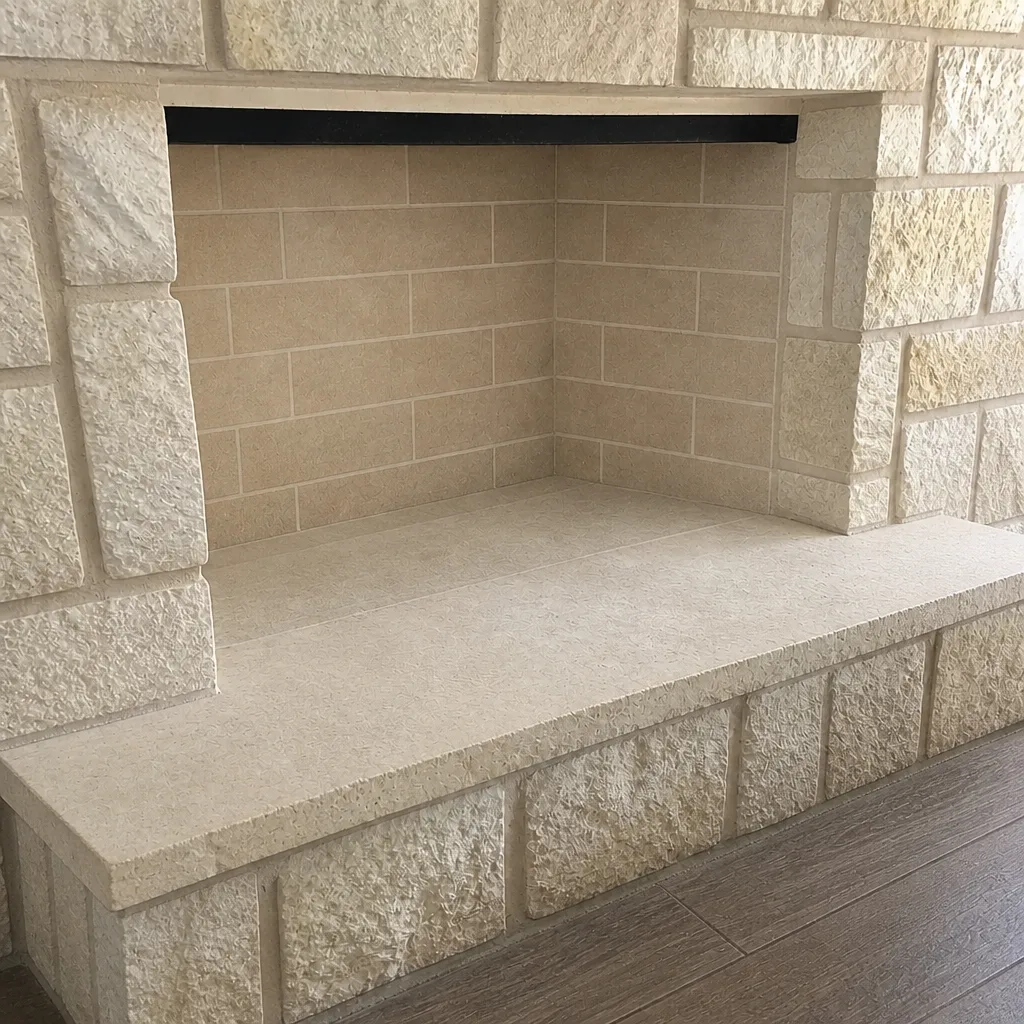
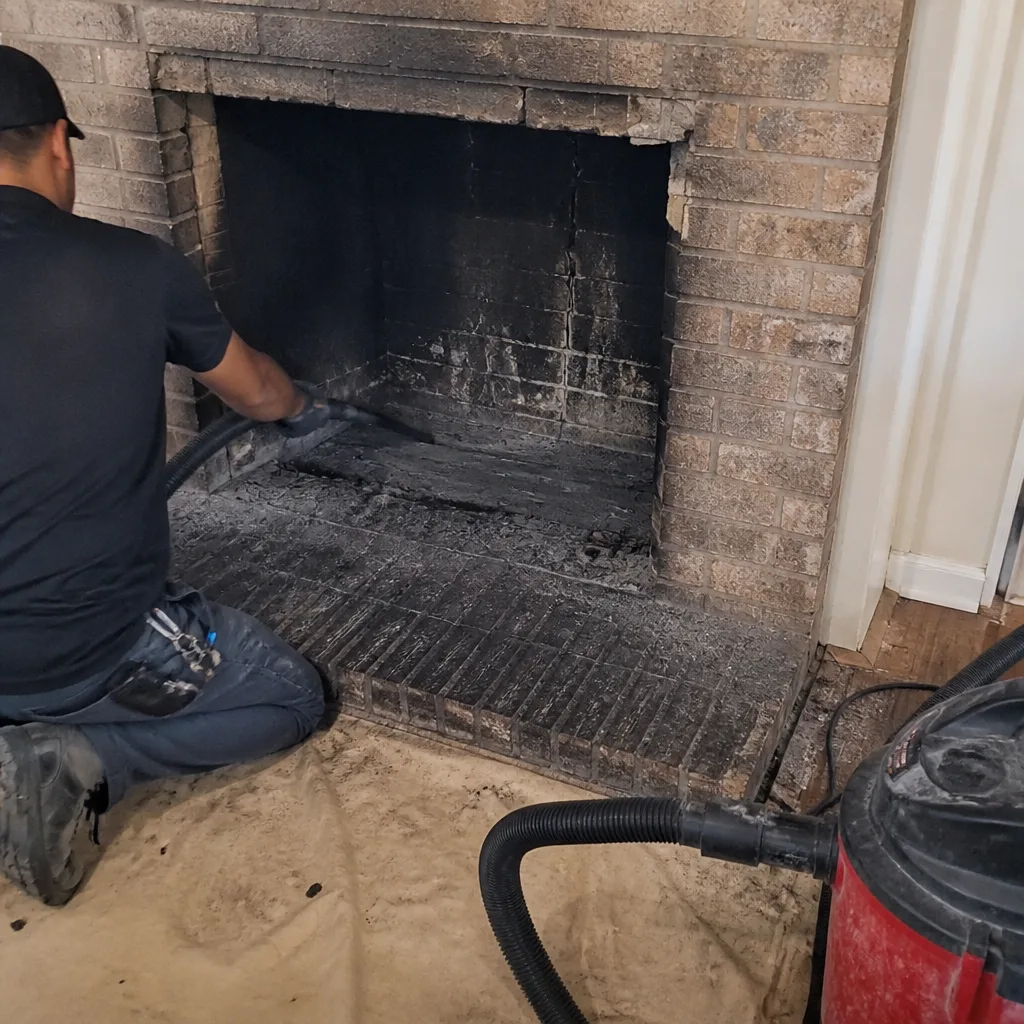
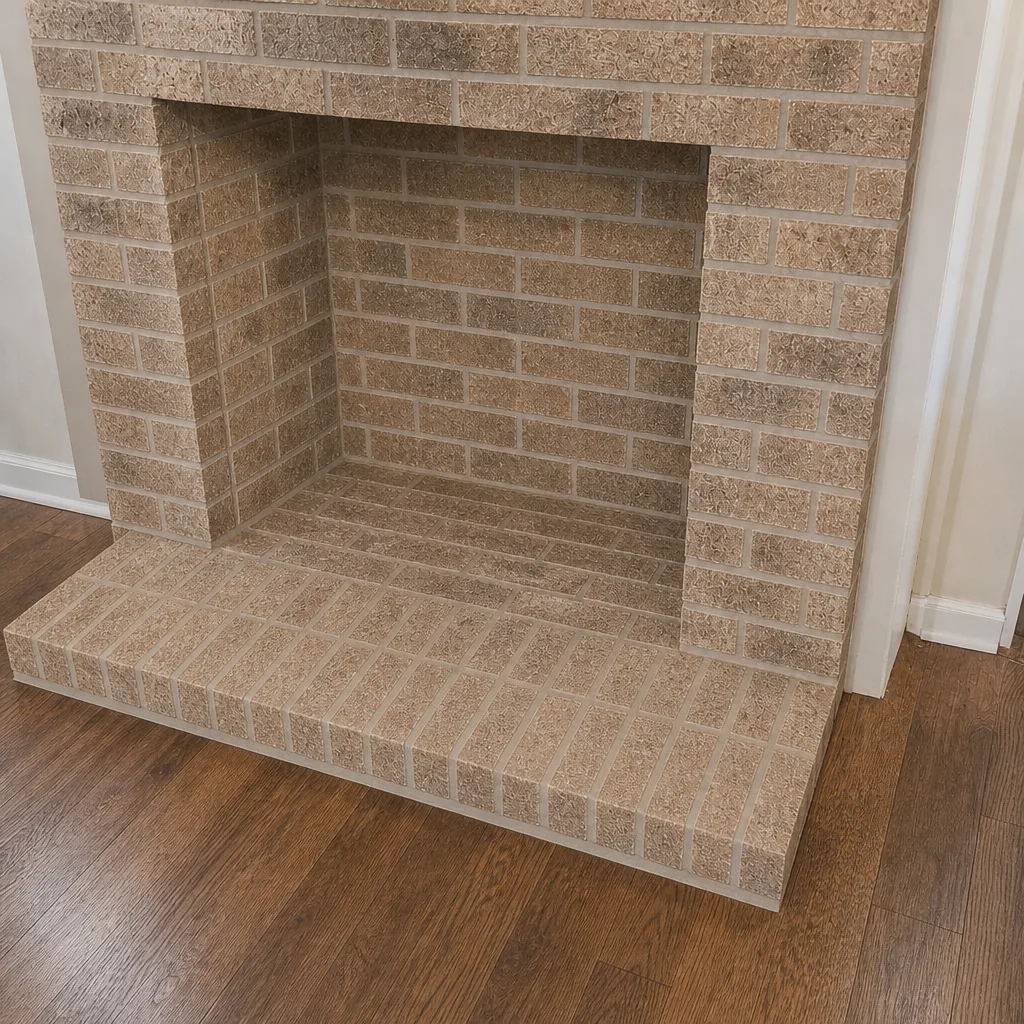
See the difference
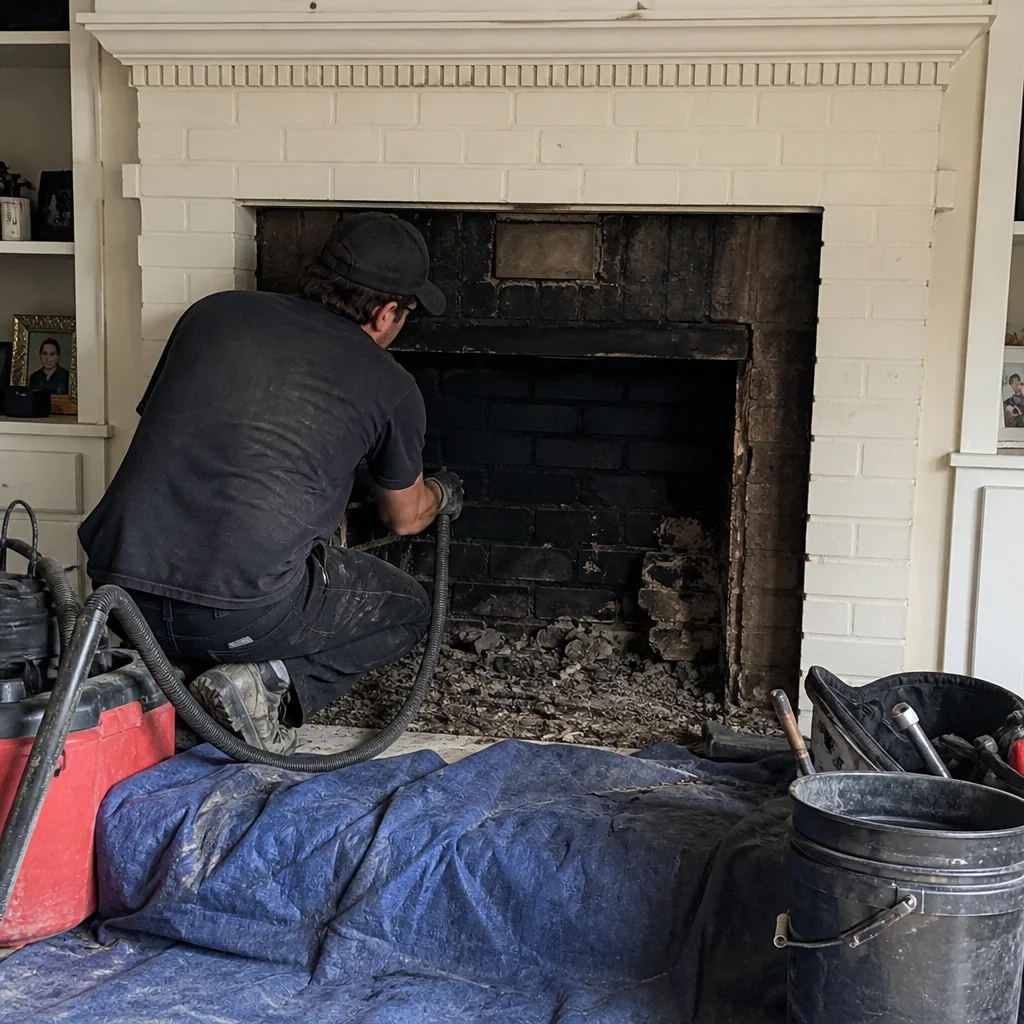 Before
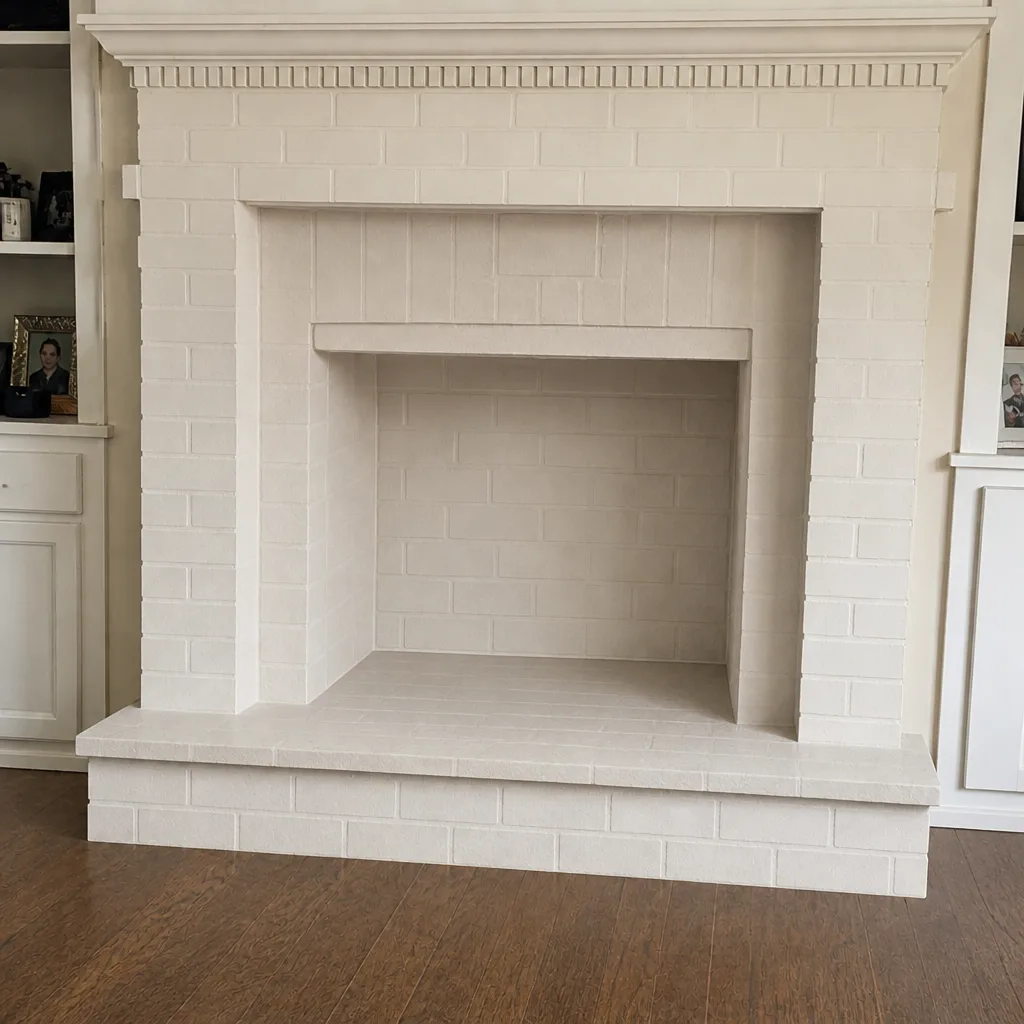 After
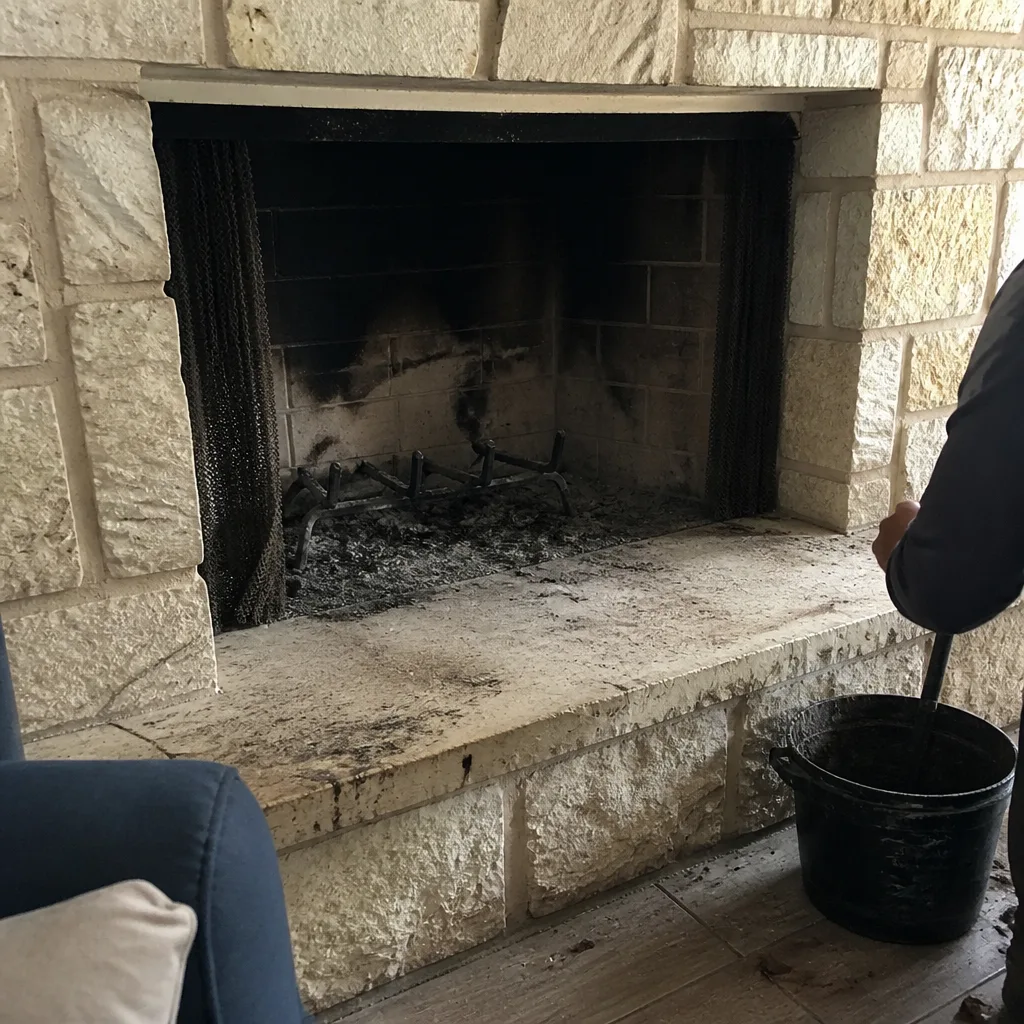 Before
 After
 Before
 After
When to Call a Professional
You can do the five structural checks yourself, but some situations clearly call for a trained professional. Call a pro if you see cracked or missing firebox brick, a flue liner you can’t see clearly, a crown with a visible crack, or a damper that won’t seat. Call if you have a gas fireplace that hasn’t been serviced in a year, if you’ve had a chimney fire, or if you can’t tell whether the creosote in your flue has reached a dangerous level. Never climb a ladder onto the roof to inspect or clean a flue yourself, and never attempt to work on a gas line or electrical component of a fireplace. A trained technician has the tools, the camera, and the experience to see what you can’t. Chimney Sweep Uptown offers free estimates in Uptown – call (855) 814-8019. We answer 24/7. Fast dispatch from 7am to 7pm, Sunday through Friday.
Frequently Asked Questions
Chimney sweeping in Uptown is typically priced per job by a written estimate, and we provide a flat-price quote before booking so there are no surprises. Call (855) 814-8019 for an exact quote – estimates are free.
Most wood-burning chimneys need a sweep after roughly one cord of wood burned, or once a year, whichever comes first. In Uptown’s mild climate, light users may go longer between cleanings, while heavy burners may need two per season. Call (855) 814-8019 to schedule an inspection and get a clear answer for your flue.
Only if the inspection shows damage that puts your home at risk. A cracked or gaping flue liner can allow heat and gases to reach the framing, so it’s a genuine safety item, but a specialist should show you the photo evidence before recommending a reline. Nothing gets recommended without camera evidence you can see for yourself. Call (855) 814-8019 to book an inspection.
Creosote keeps building, and a cracked crown or damaged liner goes unnoticed. Down the line the consequences range from a chimney fire to water damage in the masonry to carbon monoxide entering the home. Skipping a year isn’t always catastrophic, but skipping several adds up. Call (855) 814-8019 for an honest assessment of what’s actually due.
A sweep is the cleaning; an inspection is the assessment of the flue, crown, cap, damper, and firebox. A proper visit often includes both, and a camera inspection with a photo report is how you know exactly what’s happening inside your flue. Chimney Sweep Uptown provides both under one roof through our Chimney Sweep Uptown service. Call (855) 814-8019.
Yes. Gas fireplaces don’t produce soot, but they still collect dust and debris in the venting and flue, and a blocked vent can allow carbon monoxide into the living space. An annual inspection keeps a gas fireplace safe even when the firebox looks clean. Call (855) 814-8019 to schedule.
The Bottom Line
A chimney maintenance checklist for an Uptown home is built on burn volume and visible condition, not on the calendar. Match your cleaning frequency to how many cords you burn. Do the five structural checks every season – crown, cap, flashing, damper, firebox – and put gas units on the same annual routine. Log every service with photos and findings so the record works for insurance and resale. Then get a late-summer inspection before the fall rains and the first fire. Professional-grade liners and caps from DuraFlex, Gelco, and Olympia Chimney come standard when you work with a chimney specialist. From inspection to repair – one company, one standard of work.
Ready to get your chimney on a real maintenance schedule? Call Chimney Sweep Uptown at (855) 814-8019 for a free estimate. We answer 24/7. Fast dispatch from 7am to 7pm, Sunday through Friday.
Written by the team at Chimney Sweep Uptown.