
Last updated November 25, 2026
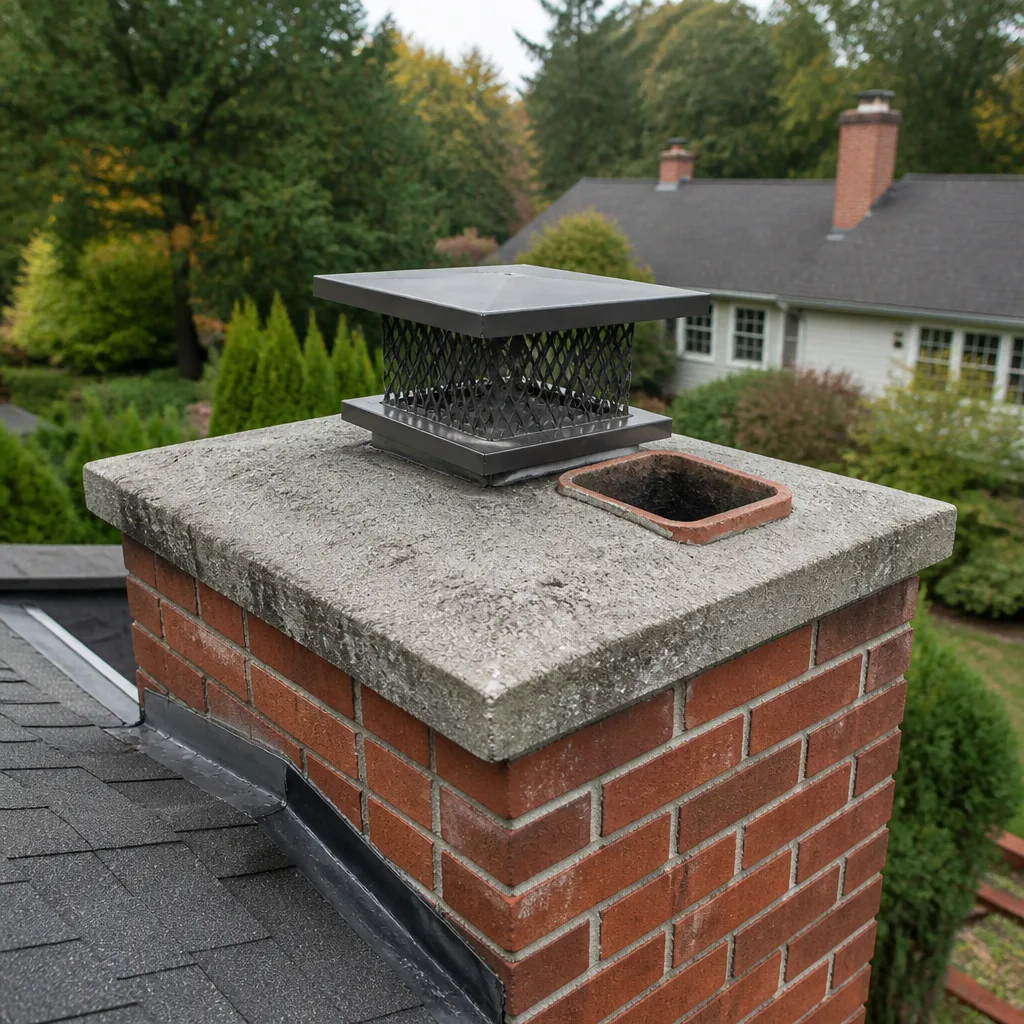 Sweep & inspection
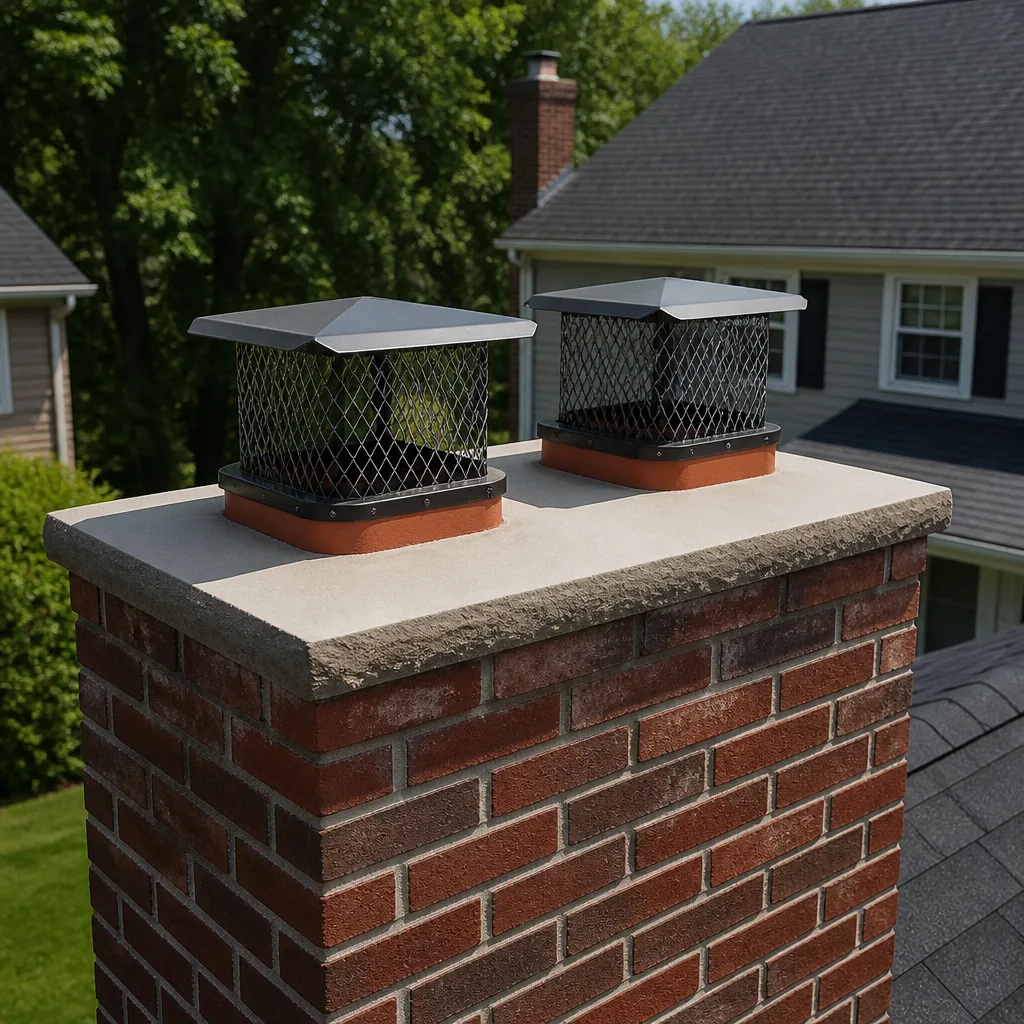 Caps & crowns
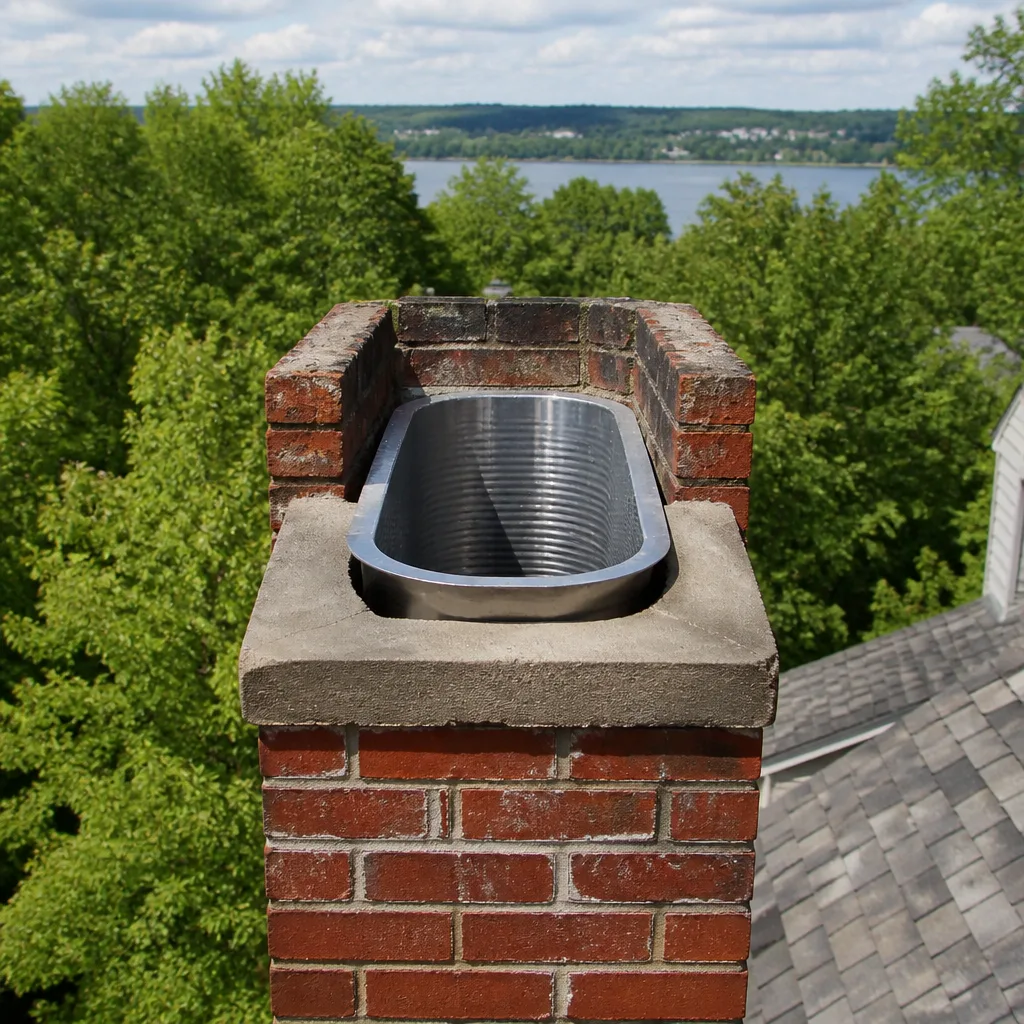 Flue relining
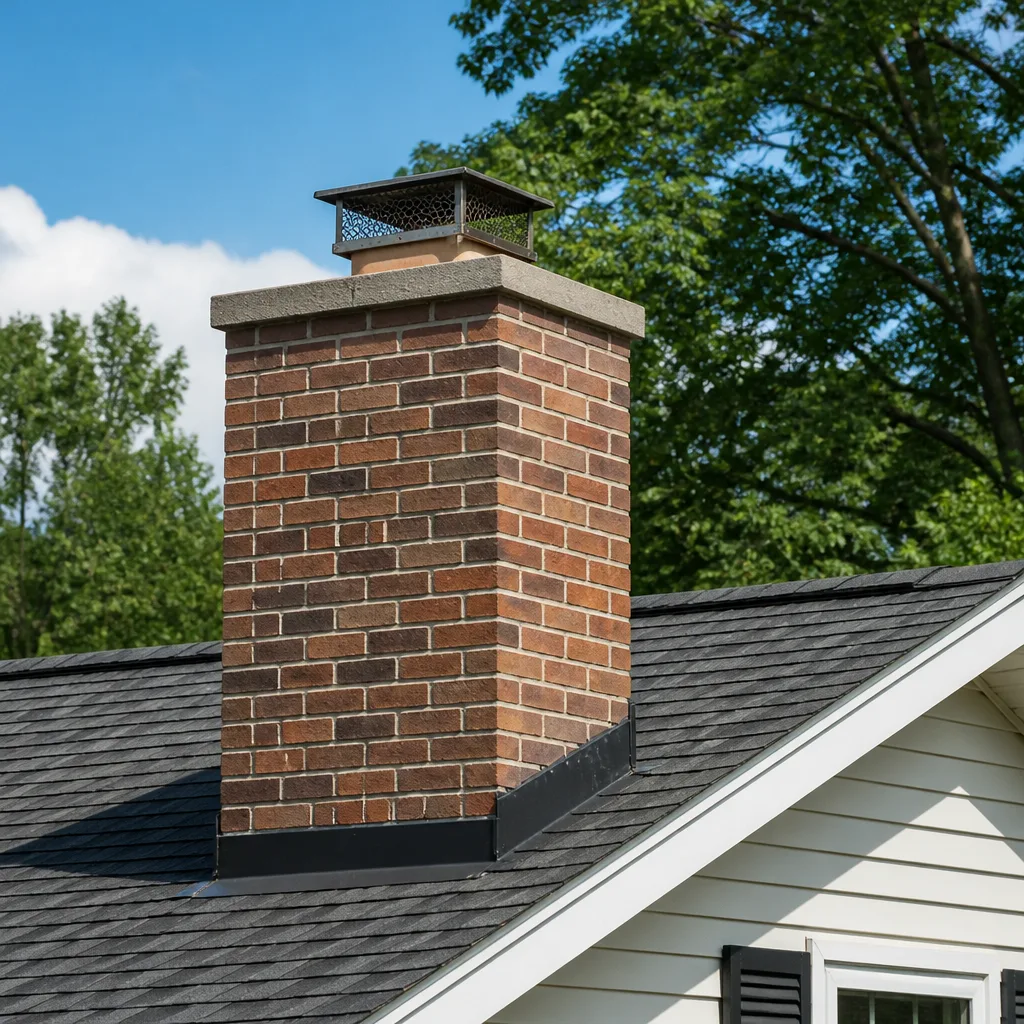 Masonry repair
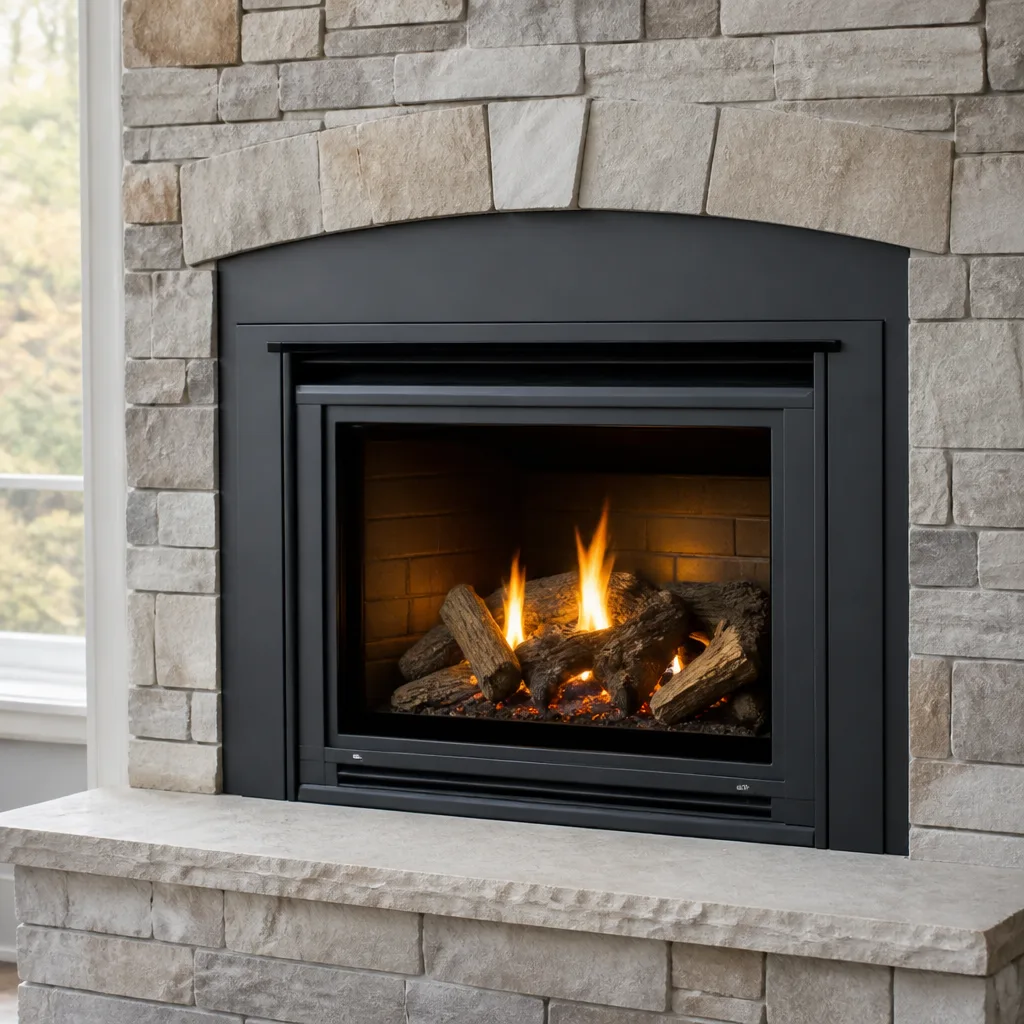 Gas fireplace service
Level 1 sweep and inspection to the NFPA 211 annual standard - flue, crown, cap, and flashing checked and photographed
Chimney sweep logs do not sweep chimneys. They loosen some creosote - which then falls where a brush and vacuum still have to collect it.
The Complete Guide to Chimney Cleaning in Uptown
Most chimney fires don’t start because a homeowner skipped cleaning. They start because the sweep who did the cleaning had no way to fix the problem they found. A flue can be swept clean and still be unsafe to burn in – a cracked tile, a failing liner joint, a crown that’s letting water into the masonry. Cleaning removes the fuel. It doesn’t confirm the structure holding that fuel is sound. In Uptown, where older masonry chimneys sit alongside newer gas-insert installations, that distinction matters every season. This guide walks through how creosote forms in stages, what a sweep actually inspects versus what it can’t legally certify, why the order of clean-inspect-repair saves money, and what paperwork you should have in hand before the technician pulls out of the driveway.
Quick Answer
Chimney cleaning in Uptown is a two-part job: a mechanical sweep removes creosote and soot from the flue, and a Level 1 inspection confirms whether the flue, firebox, and visible venting are sound enough to keep using. The cleaning removes the fuel load; the inspection tells you whether the chimney can safely carry another season. One without the other leaves a gap you can’t see from the living room. Most wood-burning chimneys should be swept and inspected once a year, and any chimney with heavy use should be checked before the heating season starts.
Styles & brands we work with
- Sweep & inspection
- Caps & crowns
- Flue relining
- Masonry repair
- Gas fireplace service
Table of Contents
- How Creosote Forms in Stages – and Why the Stage Changes the Cleaning Method
- What a Level 1 Inspection During Cleaning Actually Examines
- Uptown’s Mix of Masonry and Gas-Insert Chimneys
- The Right Sequence: Clean First, Then Inspect, Then Repair
- What a Completed Cleaning Should Produce in Writing
- How Often Should an Uptown Chimney Be Swept?
- What Does Chimney Cleaning Cost in Uptown?
- What Actually Happens If You Skip the Sweep
How Creosote Forms in Stages – and Why the Stage Changes the Cleaning Method
Creosote is the residue left behind when wood smoke cools against the flue walls. It doesn’t appear all at once. It builds in recognizable stages, and a sweep identifies the stage before choosing a cleaning method. Here’s how the progression works.
Stage 1: Sooty, Flaky Residue
The earliest deposit is a light, dusty soot with flaky creosote that brushes off easily. A standard rotary brush handles it. This stage is the cheapest and simplest to deal with – which is one reason annual cleaning stays inexpensive relative to repair. If your chimney has ever been swept at the right interval, you’ve probably seen this stage in the sweep’s report.
Stage 2: Glazed, Hardened Creosote
When smoke cools repeatedly against the same flue surfaces, Stage 1 deposits harden into a glossy, tar-like layer. It bonds to the tile and doesn’t come off with a standard brush. Sweeps use harder-bristled rotary tools, chemical treatments, or a combination. Stage 2 is common in Uptown’s older masonry chimneys where the flue is undersized for the firebox or the draft is weak.
Stage 3: Puffy, Concentrated Creosote
Stage 3 is the dangerous one. It’s a thick, puffy, sometimes crystalline deposit that ignites readily. The National Fire Protection Association (NFPA) identifies Stage 3 creosote as the primary fuel source in chimney fires. When a sweep finds Stage 3, the cleaning method changes – often requiring more aggressive rotary action and a closer inspection of the flue tiles afterward, since the same heat that created the deposit may have already cracked them. Sweeping is not a substitute for repair here. If the flue shows damage, the fix will involve liner work – usually a flexible system such as DuraFlex sized to the existing flue – before it’s safe to burn again.
Why the Stage Determines the Method
Guessing at the stage and reaching for a standard brush is how a cleaning visit wastes time and money. A sweep who inspects the flue first (with a camera down the flue) sees the deposit type before choosing tools. Olympus Chimney and similar trade supply chains stock the full range of brushes, rods, and chemical agents, and the right combination depends on what’s actually on the wall. The stage also predicts the follow-on work: Stage 3 deposits almost always point to a draft problem, an oversized firebox, or unseasoned wood, all of which affect how the chimney should be used next season. Our chimney sweep service starts with that assessment, not with a brush.
What a Level 1 Inspection During Cleaning Actually Examines
A Level 1 inspection is the standard visual inspection performed during an annual sweep. It covers the readily accessible portions of the chimney and venting system – the firebox, damper, smoke chamber, flue interior (via camera where accessible), and the exterior chimney structure. It does not certify the parts of the system a technician can’t see without dismantling, and it doesn’t cover concealed areas of the flue behind masonry.
What a Level 1 Covers
- Firebox condition: cracks in firebrick, mortar joints, and the firebox floor
- Damper operation: whether it opens, closes, and seals properly
- Smoke chamber: the sloped area above the damper where creosote collects
- Flue interior: visible condition of tiles or liner joints via inspection camera
- Chimney cap and crown: presence, fit, and visible deterioration
- Exterior structure: visible mortar, flashing, and masonry condition
- Venting for gas appliances: visible condition of the vent pipe and connections
What a Level 1 Cannot Certify
A Level 1 inspection is not a warranty. It cannot certify the flue tile is sound behind the masonry veneer or confirm that an offset in the flue doesn’t hide a break. If the camera shows an issue – a gap in the liner, heavy Stage 3 deposits, a cracked tile – the next step is often a Level 2 inspection, which involves a video scan of the full flue length. In our experience, most Uptown homeowners only need a Level 1. When we recommend a Level 2, we explain what the camera saw and why it matters.
Why the Distinction Matters
A sweep who says “your chimney is fine” without a camera down the flue is guessing. Cleaning is the moment the flue is most visible – the camera goes in after the sweep, when the walls are clear. That’s the honest window to assess condition. Every sweep we perform includes that camera look, and you see the footage before we recommend anything.
Uptown’s Mix of Masonry and Gas-Insert Chimneys
Uptown has a mix of chimneys built across different eras. Older masonry chimneys – many with clay tile liners – were designed for wood fires and often show decades of use. Newer installations frequently pair a gas insert or gas log set with a factory-built flue or a lined masonry chimney. These two system types need different cleaning protocols, and a sweep who treats them the same is missing something.
Older Masonry Chimneys
Clay tile liners are the classic Uptown setup. They’re durable but not indestructible. Tile joints crack, spalling occurs, and the flue can develop offsets that catch creosote. Cleaning these chimneys means checking every tile joint visible on camera, looking for gaps at the smoke chamber transition, and confirming the crown hasn’t pulled away from the flue. A masonry chimney with a failing tile liner needs a liner system before the next burn season – HeatShield resurfacing handles moderate tile deterioration, while a full DuraFlex stainless liner brings a damaged flue back into safe service.
Gas-Insert and Gas-Log Installations
Gas appliances produce less creosote but aren’t maintenance-free. The venting still accumulates dust, debris, and in some cases corrosion. A gas insert vented through a masonry chimney needs the flue checked for blockages (birds, nests, debris) and the appliance connection examined for proper draft. The inspection scope shifts toward the appliance and its venting rather than creosote removal. Cleaning a gas flue with the wrong tools can damage the vent pipe.
Why the Distinction Matters in Uptown
Neighborhoods in Uptown with a mix of older homes and recent renovations often have both types on the same block. A one-size sweep doesn’t fit both. Our technicians work with both masonry and factory-built systems and know which tools and brands to use for each – including liner products from DuraFlex and resurfacing from HeatShield when a masonry flue turns out to need more than a cleaning. See our chimney cap & crown page for the top-of-chimney work that pairs with either system.
The Right Sequence: Clean First, Then Inspect, Then Repair
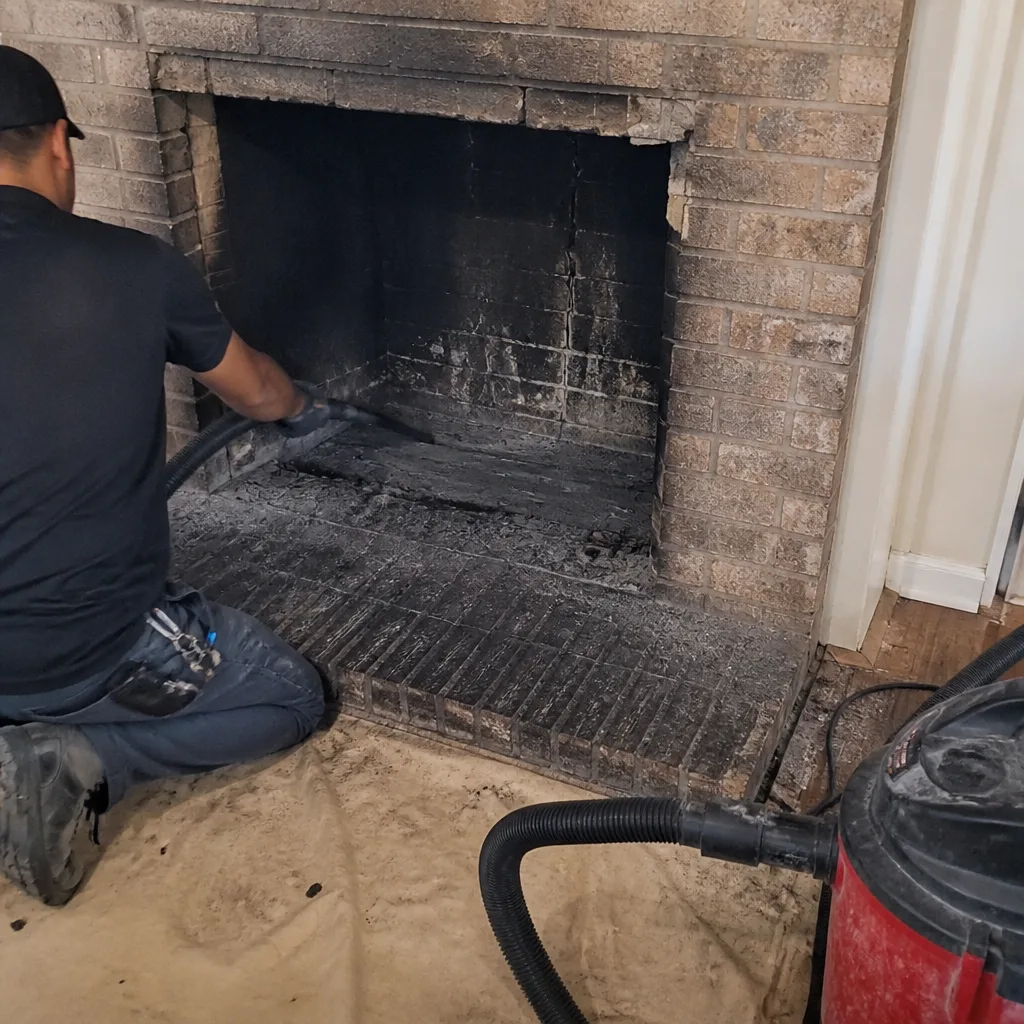
The order of operations on a chimney visit matters. Sweeping first clears soot and creosote away from the flue walls, which makes the inspection camera see what’s actually there. Reversing the order – inspecting a sooty flue, then cleaning, then recommending repairs from a blurry first look – wastes money and often produces the wrong diagnosis.
The Correct Sequence
- Set up and protect the work area. Drop cloths and a sealed work zone keep soot out of the living space.
- Sweep the flue. Rotary brush or equivalent removes loose soot and Stage 1 deposits first.
- Run the camera. A video inspection of the flue, smoke chamber, and firebox shows the actual condition once the walls are clear.
- Assess the findings. Stage of remaining creosote, condition of tiles or liner joints, firebox and crown condition, and venting for gas appliances.
- Recommend repair only where the camera shows a problem. Structural issues, liner failures, cracked crowns, and firebox damage get documented and priced.
- Document everything. Written report with photos or video stills, findings, and recommended next steps.
Why Reversing the Order Costs Money
An inspection before cleaning can flag “debris” that turns out to be a loose tile gasket, or miss a hairline crack that only shows up after the soot is removed. The homeowner ends up paying for a second visit, a second inspection, or repairs scheduled from incomplete information. Cleaning is the diagnostic setup. Inspection reads the result. If you receive a “you need a new liner” diagnosis without a camera document you can look at, ask for the evidence. In our experience, the honest companies in Uptown will show it to you.
What Happens When Repair Is Needed
Repairs identified during the cleaning visit are handled by the same specialist. That includes liner systems (DuraFlex), flue resurfacing (HeatShield), caps and crowns (Gelco caps and custom crown work), and fireplace repairs – firebox rebuilds, damper replacement, and hearth work. Our chimney repair service picks up where the inspection stops, which is why we schedule them as a single service relationship rather than separate trips from separate contractors.
What a Completed Cleaning Should Produce in Writing
A chimney cleaning without paperwork is a sweep you can’t verify. Good documentation protects you, protects the next technician who looks at the chimney, and confirms what was actually done. Here’s what to expect before the technician leaves.
The Written Report Should Include
- Date and scope of service: what was cleaned (firebox, flue, smoke chamber) and what tools were used
- Inspection findings: condition of flue tiles or liner, firebox, damper, smoke chamber, cap, crown, and exterior masonry
- Photos or video stills: dated images of the flue interior and any issues identified
- Recommendations: cleaning completed, any repairs recommended, and the reason each is recommended
- Stage of creosote found: Stage 1, 2, or 3, with an estimate of how quickly it built up
- Sign-off: the technician’s name and the company name, so the report is attributable
Why It Matters
Documentation is how you tell the difference between a sweep who cleaned your chimney and a sweep who cleaned your chimney and inspected it properly. It’s also how the next technician – whether that’s us or anyone else – can build on the record rather than guess. If you sell the home, a documented cleaning history is worth keeping with the house papers. Store the report with your home maintenance records and bring it out at the next annual cleaning.
How Often Should an Uptown Chimney Be Swept?
Most Uptown chimneys should be swept and inspected once a year. NFPA recommends annual inspection of all chimneys, fireplaces, and vents, and cleaning whenever the creosote deposit reaches 1/8 inch – roughly the thickness of a nickel. That’s the standard we work to.
Annual Cleaning Usually Fits
If you burn occasionally – a few fires a week during the mild Uptown winter months – an annual sweep keeps deposits in check. The annual visit is also the natural time for a Level 1 inspection, and it’s the interval most insurance carriers expect for wood-burning appliances.
More Frequent Cleaning May Be Needed If
- You burn daily during the heating season
- You burn unseasoned or green wood
- You notice reduced draft or smoke rolling into the room
- Your chimney has a history of Stage 2 or Stage 3 creosote
- You’ve changed fuels or installed a new appliance since the last sweep
- You see black, glazed deposits above the firebox
Seasonal Timing in Uptown
Winters here are mild, so the burn season is short and many homeowners put off the annual cleaning until fall. The better time to schedule is before the cooling begins – after the last fire of spring, when the flue has had time to settle and any problems can be addressed before you need the fireplace again. Scheduling ahead of the burn season also gives you time to complete any repairs found during the inspection without pushing the first fire of the year back.
What “Annual” Doesn’t Mean
Annual doesn’t mean calendar-year exactly. It means once per burn season. If your fireplace went unused for a season, you don’t owe two cleanings the next year. The inspection will confirm whether a cleaning is needed.
What Does Chimney Cleaning Cost in Uptown?
Chimney cleaning in Uptown is priced per job by the written estimate. Because the range depends on system type, access, creosote stage, and whether repairs are needed, we don’t quote over the phone. Here’s how the main variables typically break down.
Pricing Variables
| Factor | What Changes the Price |
|---|---|
| Chimney type | Masonry flue vs. factory-built vs. gas appliance venting |
| Creosote stage | Stage 1 soot is straightforward; Stage 2 and 3 require more aggressive tools |
| Flue access | Rooftop access vs. cleanout door, damper style, chimney height |
| Additional repairs | Liner, cap, crown, firebox, or damper work identified during inspection |
| Multiple flues | Whether the chimney has one flue or more than one to clean |
What the Estimate Covers
The written estimate sets the price for the work scheduled. That includes the sweep itself and the Level 1 inspection. If the inspection reveals a repair, that’s a separate line item with its own price. You see the number before any work is scheduled. The estimate is free, and there’s no service-call fee or trip charge to receive one.
Why We Don’t Publish a Fixed Price
Franchise chimney companies publish a low “from” price and then charge for the escalation once they arrive. We think the honest approach is to price the actual job. Call (855) 814-8019 for a free estimate, and we’ll explain what the range looks like for your system.
What Actually Happens If You Skip the Sweep
Skipping an annual sweep doesn’t fail immediately. Creosote builds up quietly, year after year, until the deposit is thick enough to ignite. What’s dangerous is that the failure mode is invisible from the firebox – you can’t see 1/8 inch of glazed creosote at the top of the flue from the living room.
The Real Risks
- Chimney fire: Stage 3 creosote ignites and burns at high temperature, cracking flue tiles and reaching into the masonry structure
- Carbon monoxide: a blocked or damaged flue can send combustion gases back into the home instead of up and out
- Blockage: birds, nests, and debris commonly block flues, especially on chimneys without a cap
- Water intrusion: a missing or damaged cap lets water into the flue and the surrounding masonry, accelerating decay
- Structural failure: cracked tiles and deteriorated mortar worsen with each burn season
What the Inspection Is Looking For
The annual sweep is the moment we can see all five issues above – creosote stage, flue condition, blockages, cap and crown condition, and masonry condition – before any of them causes a fire or a carbon monoxide problem. That’s the real reason for annual cleaning. The soot removal is the easy part. The safety check is the point.
When It’s OK to Wait
If a sweep finds light Stage 1 deposits and sound tile, the chimney is in good shape for the season and can safely wait for the next annual cleaning. We say so plainly. The honest answer on a clean flue is that nothing needs to happen today. That’s the visit we want every Uptown homeowner to have.
Common Mistakes to Avoid
- Hiring whoever quotes the lowest price without confirming the scope. A cheap sweep that doesn’t include a camera inspection isn’t a sweep – it’s a brush pass. Ask before you book what’s included in the visit.
- Assuming a gas insert doesn’t need maintenance. Gas venting still collects debris and can corrode. An annual check on the appliance and venting is the baseline, and it’s cheaper than discovering a blocked vent later.
- Running a fire after a report flags Stage 3 creosote. Stage 3 is the flammable stage, and lighting up before repair is how fires start. Wait for the liner or cleaning work to be completed first.
- Believing “your chimney is fine” without a camera document. A technician who can’t show you what the flue looks like from the inside is guessing. Ask to see the footage before accepting any diagnosis of “fine” or “needs replacing.”
- Putting off repairs found during the spring sweep until the fall. Spring and summer are the right window to complete liner and crown work in Uptown. Waiting until the first cool snap pushes repair work to when you actually need the fireplace.
- Going without a chimney cap. Uptown’s trees and wildlife are enough reason on their own. A missing cap is how birds nest in flues and how rain reaches the flue tile joints. A Gelco cap fitted correctly is inexpensive protection compared with masonry repair.
- Burning green or unseasoned wood as a shortcut. Wet wood produces more creosote per fire and accelerates deposit buildup. Seasoned wood costs more up front and far less over a season of burning.
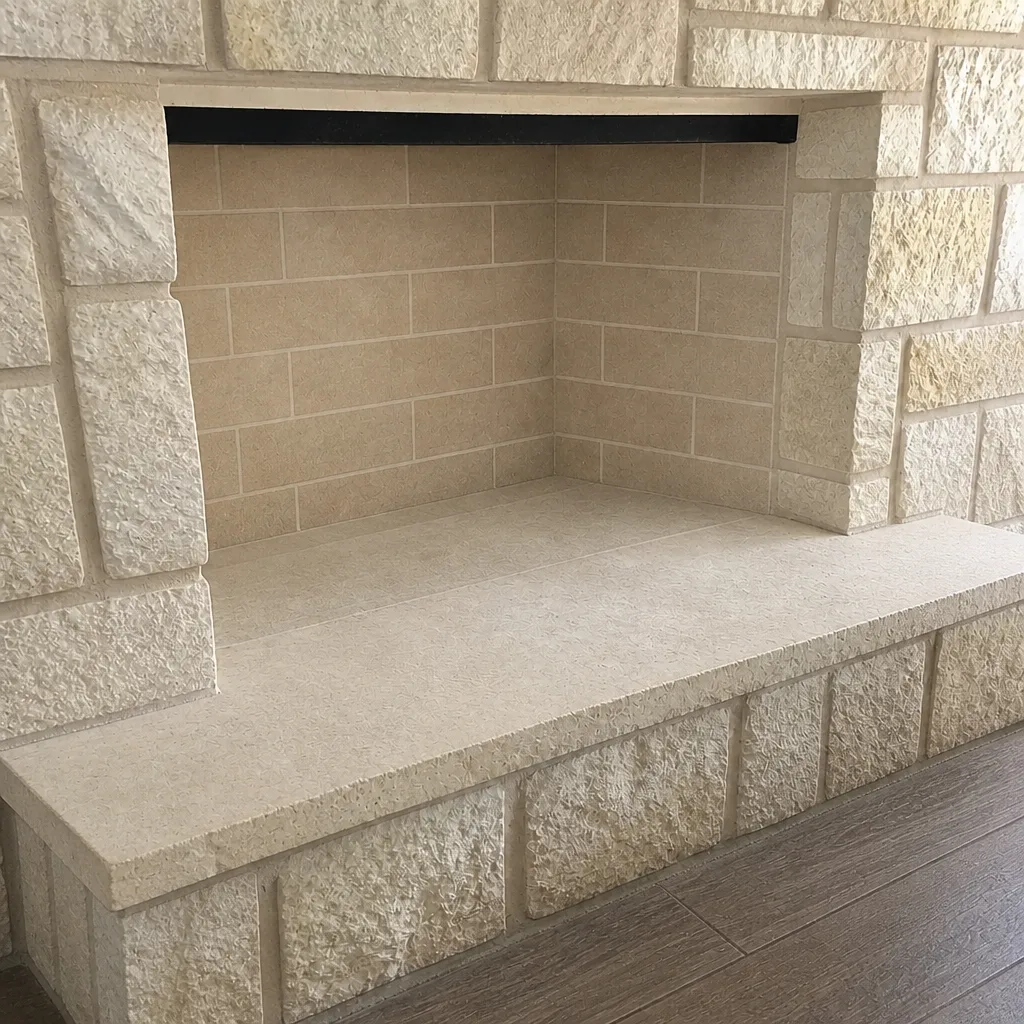
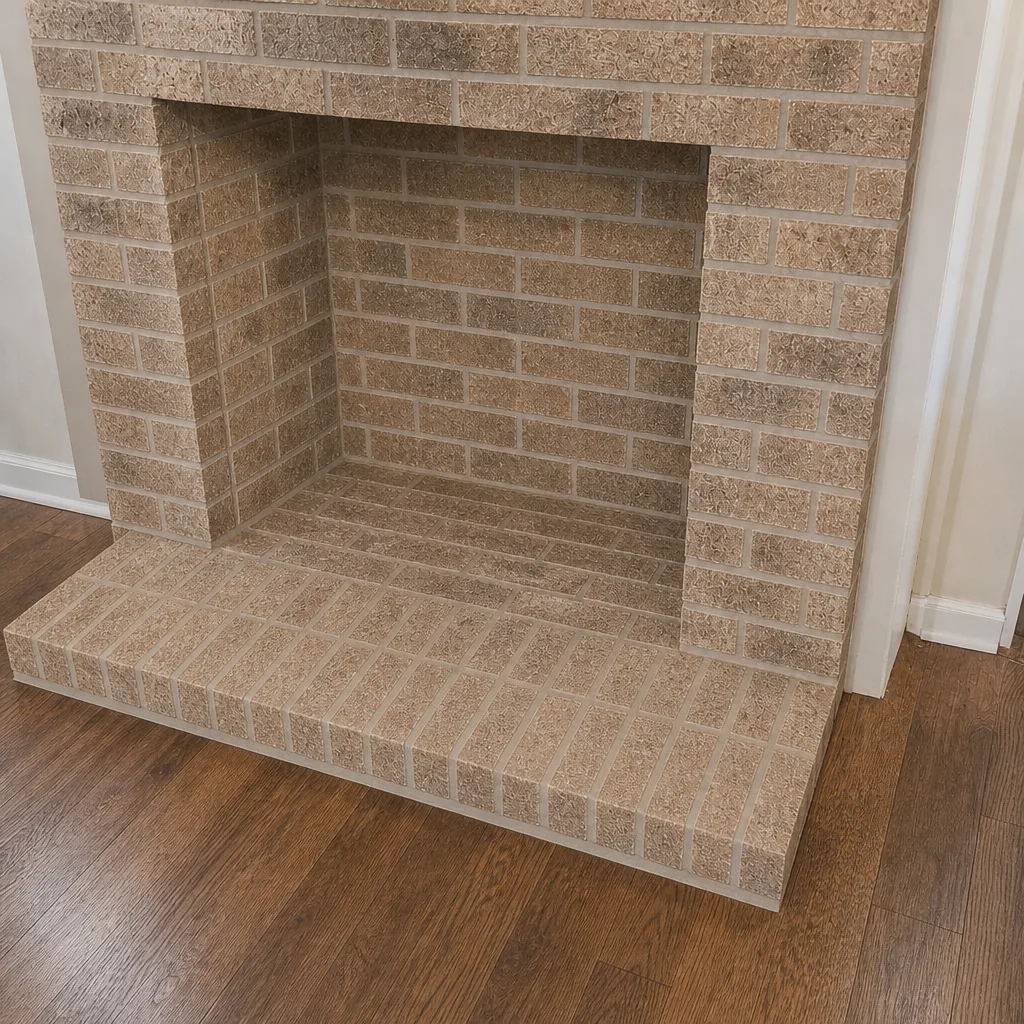
See the difference
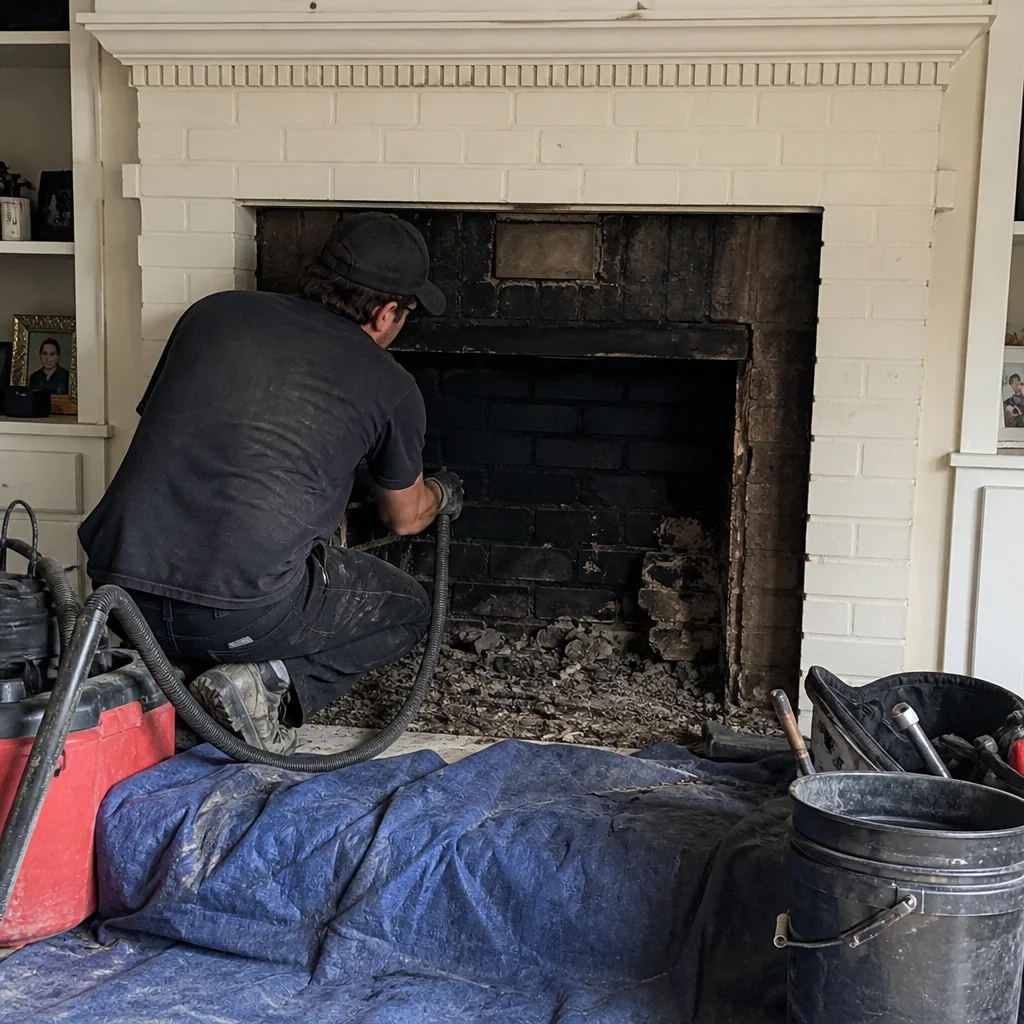 Before
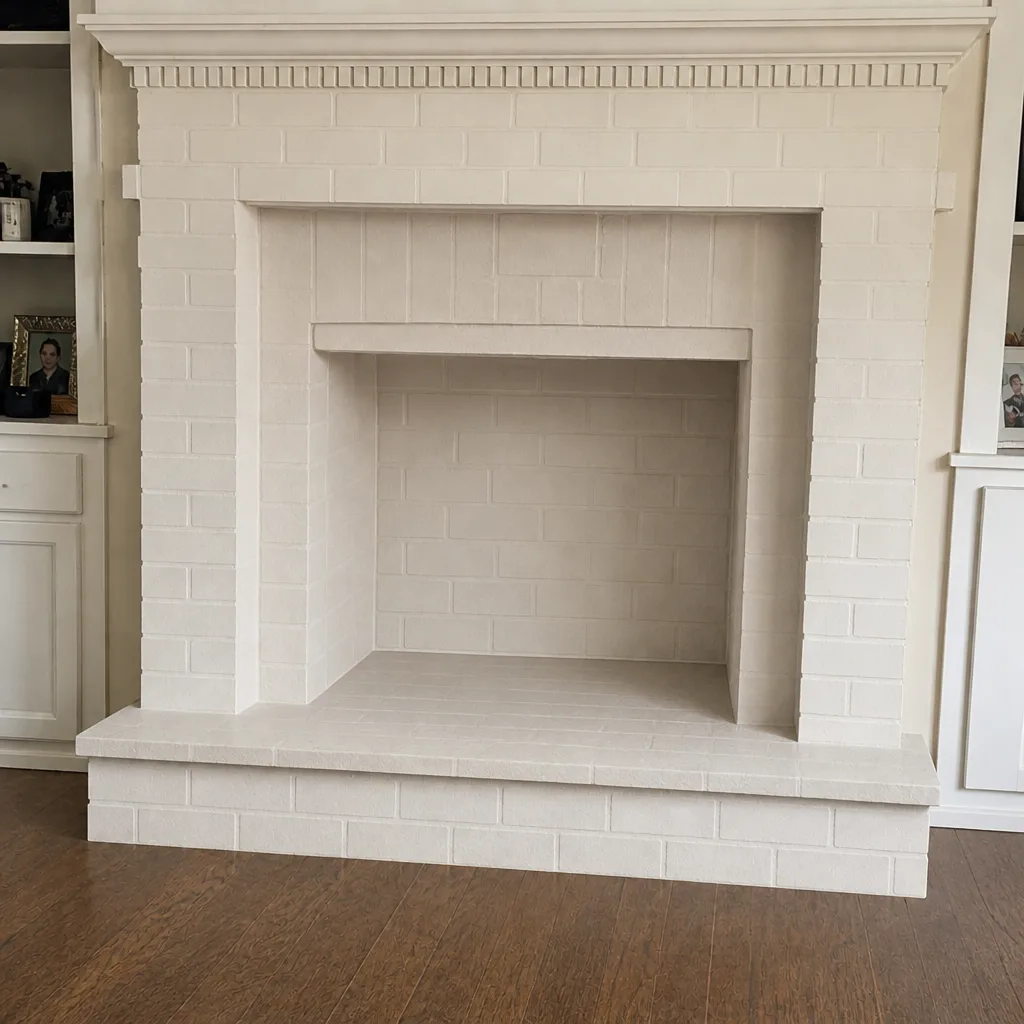 After
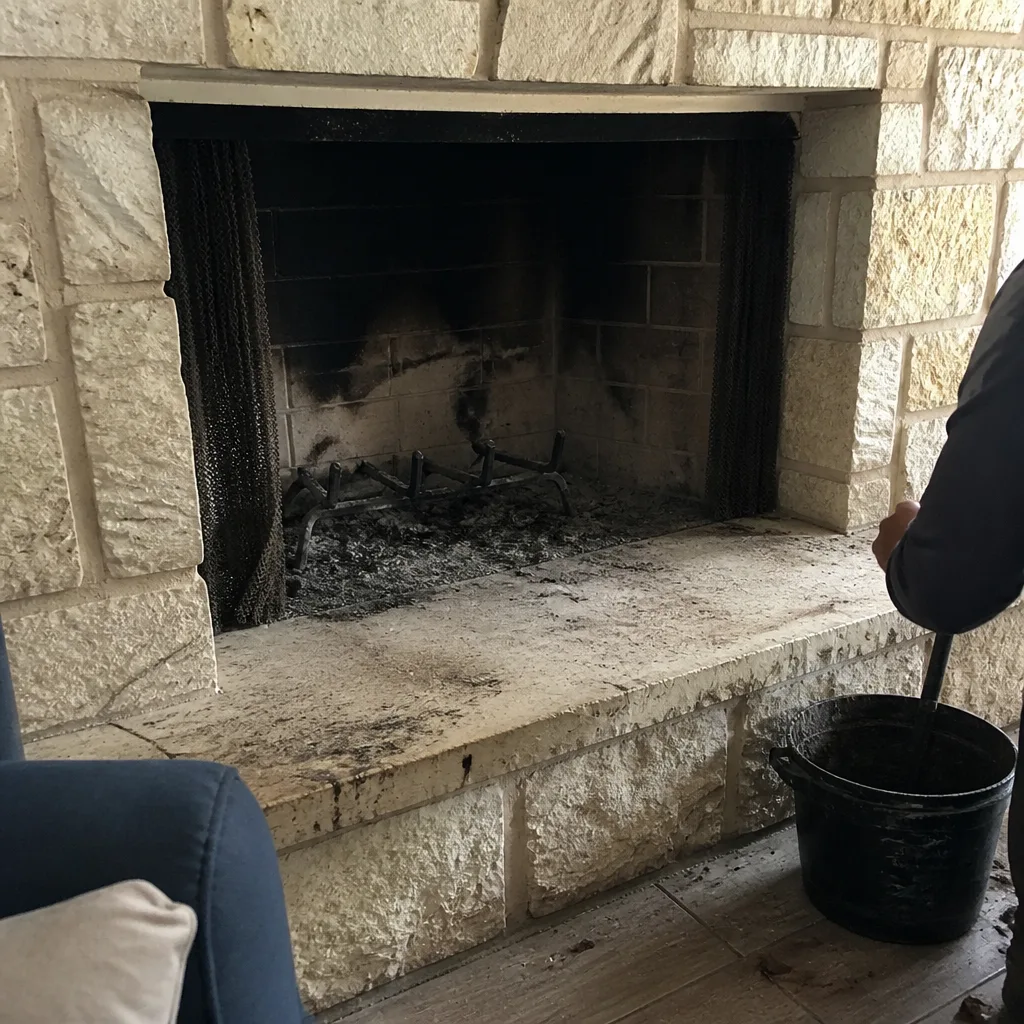 Before
 After
 Before
 After
When to Call a Professional
Some chimney conditions need a professional on site before you light another fire. Call before the next burn if you’ve had a chimney fire (even a small one – chimney fires often go unnoticed and leave cracked tiles behind), if you smell a strong creosote or smoky odor in the house when the fireplace is idle, if smoke rolls into the room instead of rising, if you see black glazed deposits above the firebox, or if it’s been more than a year since the last cleaning. Call before the cooling season starts if your fireplace hasn’t been inspected since you moved in – you don’t want to discover a flue problem on the first cold night of fall.
Chimney Sweep Uptown offers free estimates in Uptown – call (855) 814-8019. We answer 24/7, and fast dispatch runs from 7am to 7pm, Sunday through Friday. Our technicians have up to 12 years of experience and can handle cleaning, inspection, and any repair the inspection turns up.
Frequently Asked Questions
Chimney cleaning in Uptown is priced per job by the written estimate, which sets the final cost after we see the system. The range depends on chimney type, creosote stage, flue access, and whether any repair is needed. The estimate itself is free. Call (855) 814-8019 for an exact quote – estimates are free.
Only if the inspection shows the existing flue tile is cracked, spalled, or has open joints – and if the camera shows that, we show you the footage. A sound clay tile flue doesn’t need a liner. When a liner is warranted, we use professional-grade systems such as DuraFlex, and HeatShield resurfacing for moderate tile deterioration. If the flue is fine, we tell you the flue is fine. Call (855) 814-8019 for an exact quote – estimates are free.
Once per burn season for most Uptown homes, and always when the creosote deposit reaches 1/8 inch. Heavy users, or anyone burning unseasoned wood, may need more frequent cleaning. The annual sweep is also the time for a Level 1 inspection. Call (855) 814-8019 for an exact quote – estimates are free.
Creosote keeps building, year after year, and can reach the flammable Stage 3 stage – the deposit that fuels most chimney fires. A blocked or damaged flue can also send carbon monoxide into the home. Skipping the sweep doesn’t fail immediately, but it removes the safety check that catches these conditions before they cause a fire. Call (855) 814-8019 for an exact quote – estimates are free.
No – the protocol is different. A gas insert or gas log set produces little creosote but still needs the venting checked for blockages and the appliance connection examined for proper draft. A masonry flue serving a gas appliance gets a different inspection focus than a wood-burning flue. We work with both, and we’ll tell you which service your setup needs.
The cleaning and inspection happen in a single visit. If the camera finds a repair – a failing liner, a cracked crown, a damaged firebox – we document it and schedule the repair. Small repairs are sometimes handled the same day; larger liner and structural work is scheduled as its own appointment. We don’t hand off problems we find. Our fireplace repair work picks up where the inspection leaves off.
The Bottom Line
Chimney cleaning in Uptown is a decision point, not a chore. The sweep clears the flue. The inspection tells you whether the flue is sound enough to keep using. Reversing those steps is where homeowners waste money, and skipping the inspection is where chimney fires start. Annual cleaning keeps creosote in check. The camera examines the tile and liner joints that fail quietly. When the inspection finds something, the right move is to fix it – a DuraFlex liner, a HeatShield resurfacing, a Gelco cap, a new crown – before the next burn season, not after the first scare. Call (855) 814-8019 for a free estimate. We answer 24/7, with fast dispatch from 7am to 7pm, Sunday through Friday. Written by the team at Chimney Sweep Uptown.
Written by the team at Chimney Sweep Uptown.