
Last updated November 25, 2026
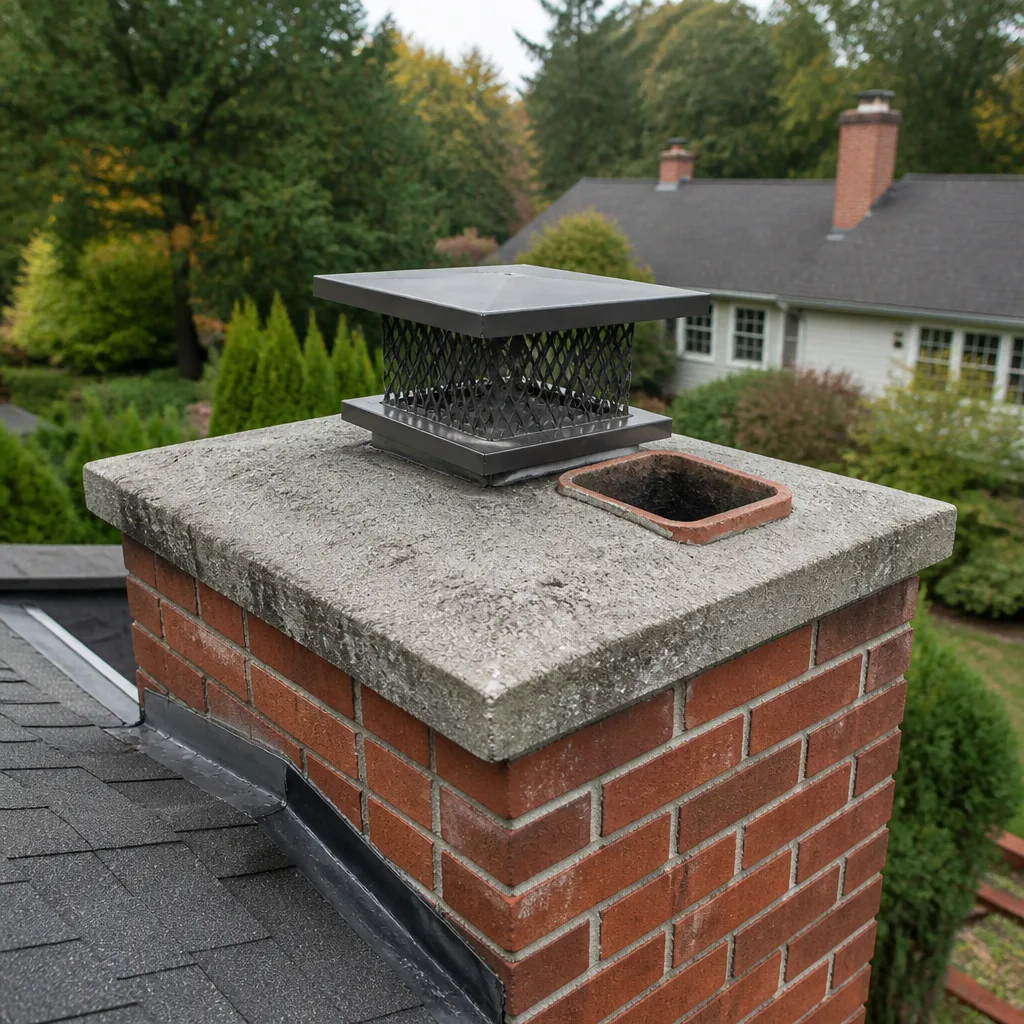 Sweep & inspection
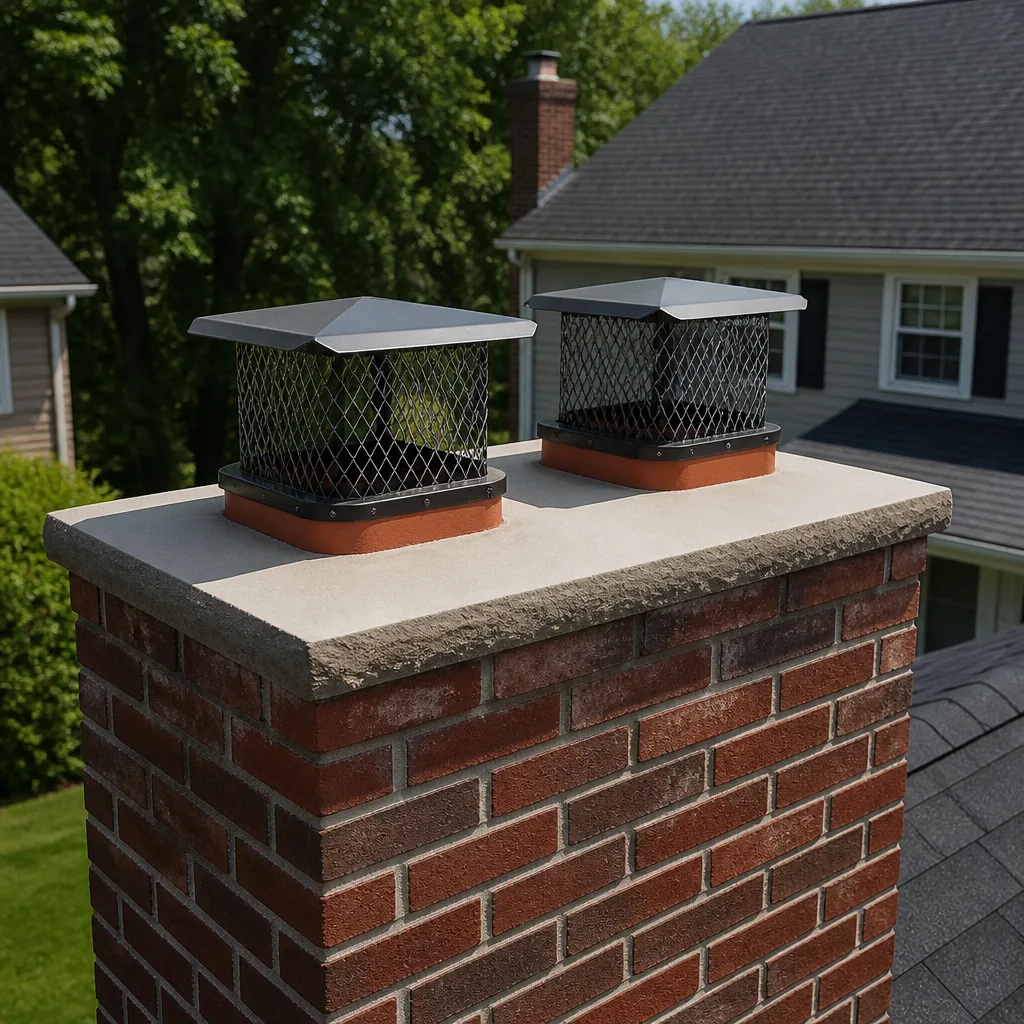 Caps & crowns
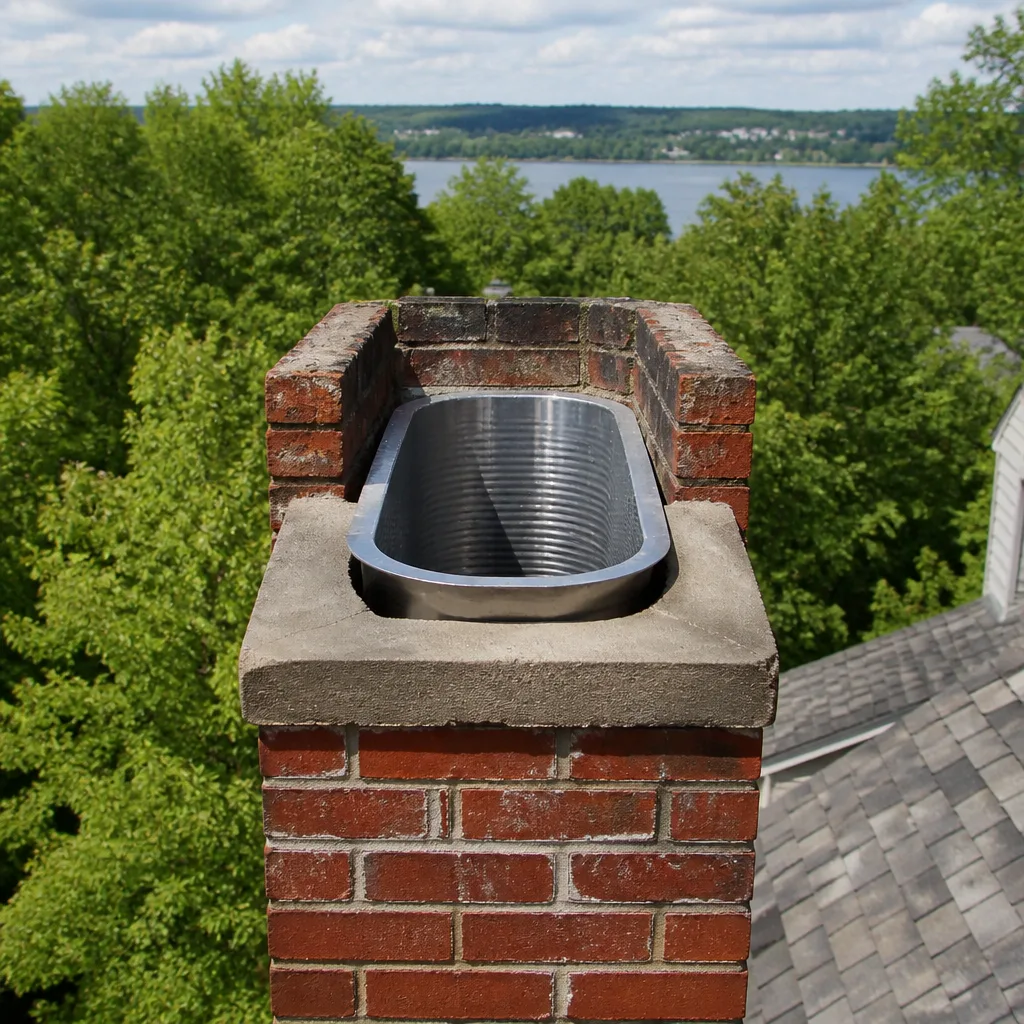 Flue relining
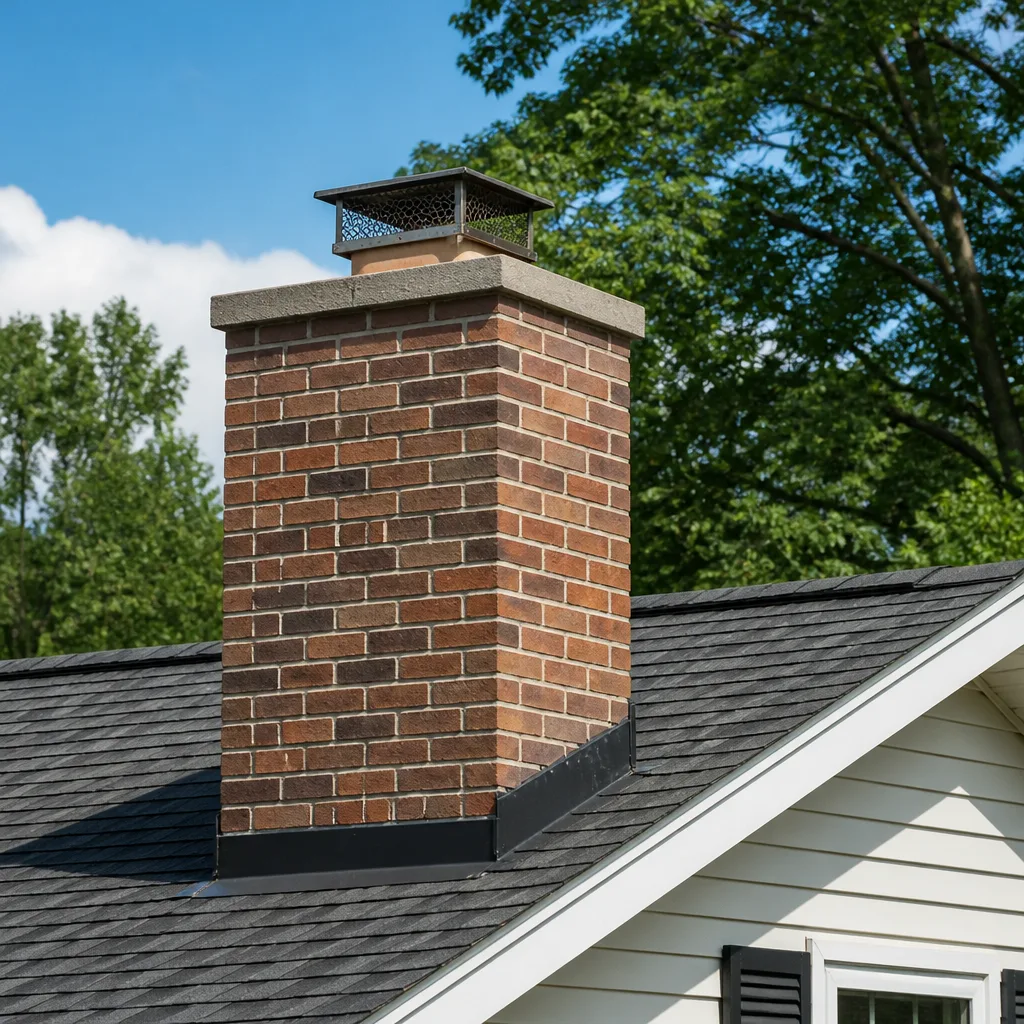 Masonry repair
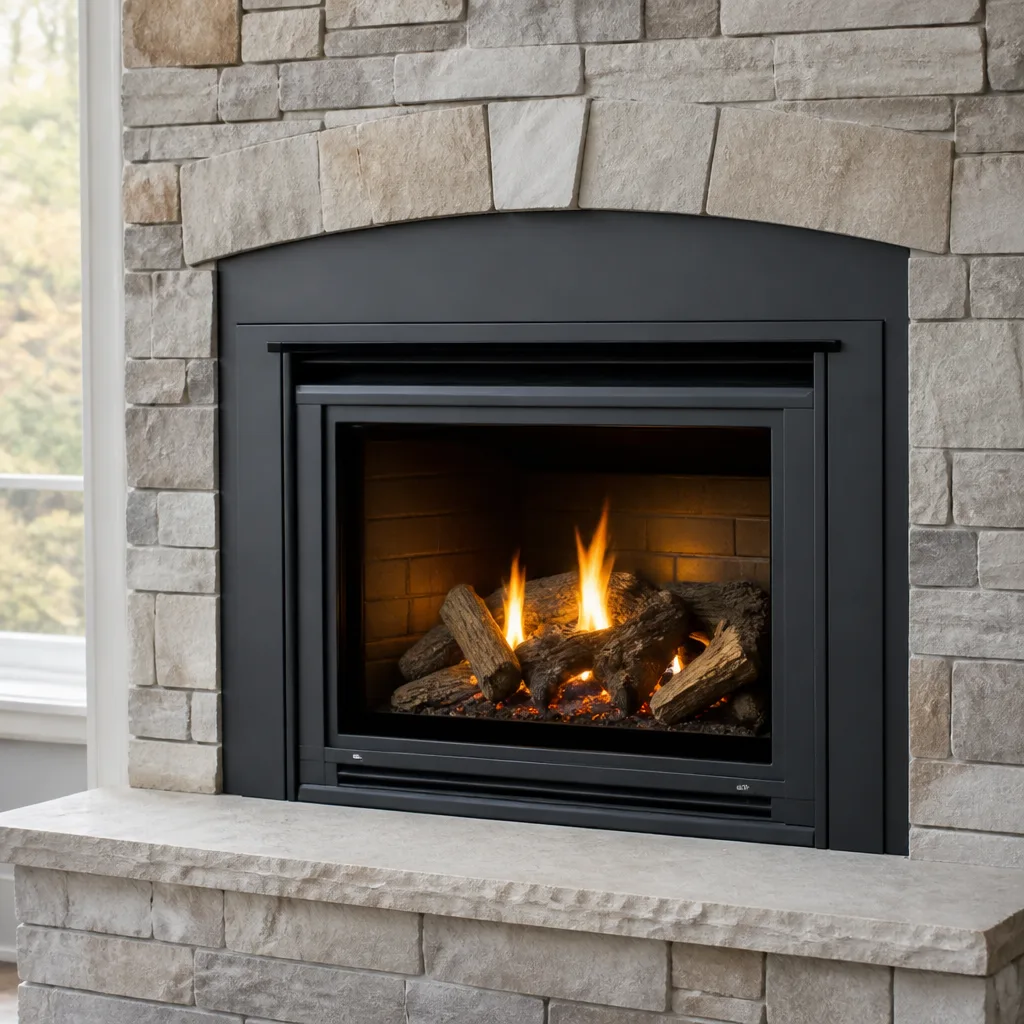 Gas fireplace service
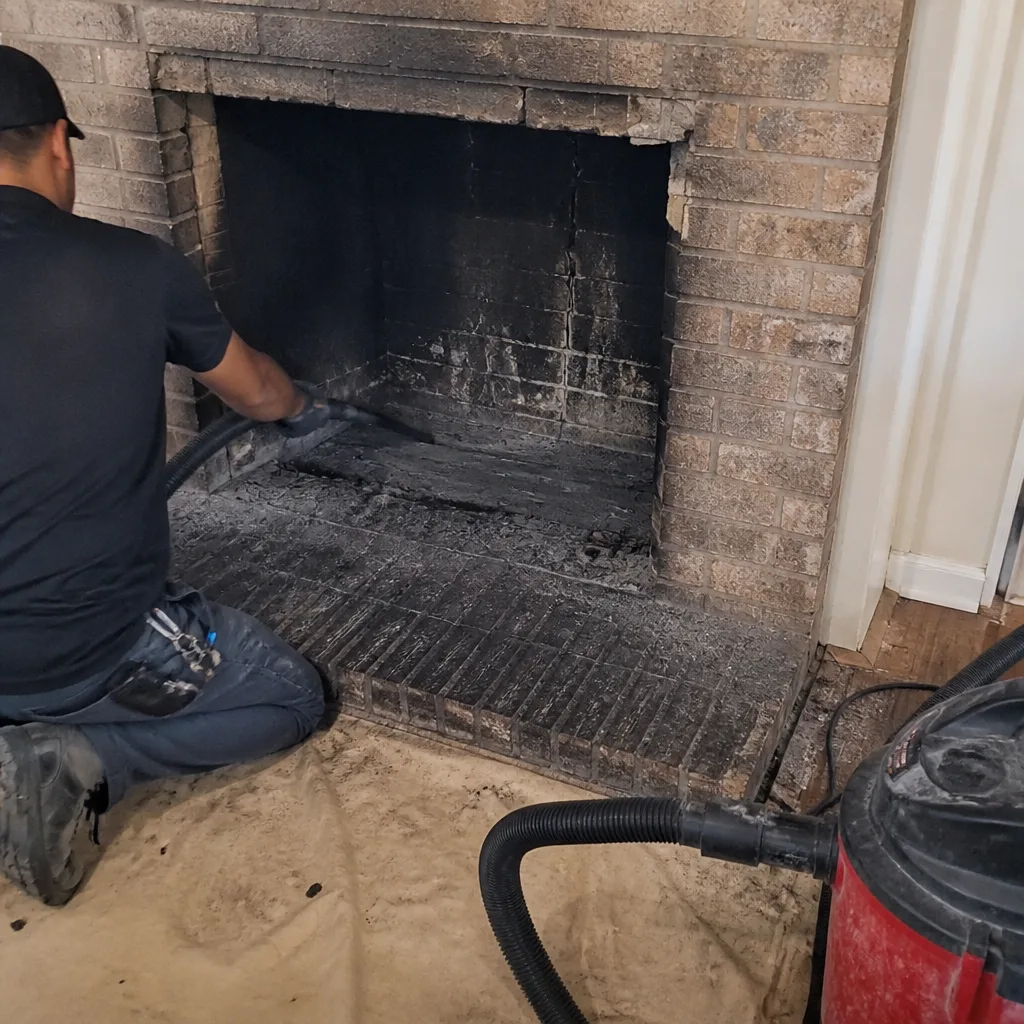
Level 1 sweep and inspection to the NFPA 211 annual standard - flue, crown, cap, and flashing checked and photographed
Chimney sweep logs do not sweep chimneys. They loosen some creosote - which then falls where a brush and vacuum still have to collect it.
How to Hire a Chimney Cleaning Contractor in Uptown: A Step-by-Step Guide
Most homeowners hiring a chimney sweep in Uptown ask the wrong first question. They check whether the technician is certified, then book the appointment and stop there. Certification is a written exam result, and it’s a good starting filter, but it tells you nothing about what happens after the inspection finds a cracked crown or a failing flue liner. Does the person standing on your roof have the mortar, the liner sections, and the cap to actually fix it, or will they hand you a report and a list of other contractors to call? This guide walks through how to hire a chimney cleaning contractor in Uptown by checking capability, not just credentials. You’ll learn how the local contractor landscape splits into tiers, what to ask before anyone arrives, and how to read a written estimate.
Quick Answer
To hire a chimney cleaning contractor in Uptown, verify the technician is certified and insured, then confirm in the first phone call that they can repair what they find on inspection – crowns, caps, firebox damage, and flue liners – rather than only sweeping. Ask for a written estimate that separates the sweep from any repair work, and never accept a low opening price that depends on upsells discovered mid-job. On the Texas side, cross-check the contractor’s state registration or license and general liability coverage before scheduling.
Styles & brands we work with
- Sweep & inspection
- Caps & crowns
- Flue relining
- Masonry repair
- Gas fireplace service
Table of Contents
- The Three Tiers of Chimney Contractors in Uptown
- Questions to Ask Before You Schedule
- What a Legitimate Written Estimate Includes
- Red Flags Specific to Low-Price Operators
- How to Verify Licensure and Insurance in Texas
- Why the Materials Matter – and What to Ask About
- Before, During, and After the Sweep
- Common Mistakes to Avoid
- When to Call a Professional
- Frequently Asked Questions
The Three Tiers of Chimney Contractors in Uptown
The chimney trade in Uptown splits into three distinct tiers, and knowing which tier you’re calling saves both money and frustration. Most homeowners assume every sweep can handle whatever the inspection uncovers. That assumption is where hiring decisions go wrong, and it’s the single most useful thing to understand before you dial.
Tier One: Sweep-Only
A sweep-only operator cleans the flue and leaves. Certifications might be in order, the brush work might be thorough, but the moment the inspection turns up a crumbling crown or a cracked flue tile, the operator hands off the problem. You’re then back to searching for a second contractor, who arrives with no context from the first visit. This tier suits homeowners whose chimney was recently repaired and only needs an annual clean.
Tier Two: Sweep-and-Inspect
This tier adds a Level 1 or Level 2 inspection with photos and a written report. You learn what’s wrong. What you don’t learn is whether the person writing the report can fix it. Sweep-and-inspect operators are useful when you need an independent assessment, but they still trigger a second contractor search for the repair itself. Some homeowners intentionally hire this way to keep the inspection and repair separate.
Tier Three: Full-Repair
The third tier covers cleaning, inspection, and repair in one service relationship. A full-repair chimney specialist installs liner systems such as DuraFlex, applies HeatShield resurfacing to deteriorating flue tiles, fits Gelco caps, and rebuilds crowns and fireboxes. The advantage is simple: what gets found gets fixed by the same people, with no gap between the diagnosis and the remedy. This tier is where Chimney Sweep Uptown works, and it’s the right tier for any homeowner who wants one specialist across many years rather than a rotation of vendors.
When each tier makes sense: sweep-only for a known-good chimney between repairs; sweep-and-inspect if you want an independent read before committing to a repair; full-repair if the chimney is aging, showing water intrusion, or if you’d rather not coordinate two contractors. In Uptown, where mature housing stock and mild but wet winters put steady pressure on masonry, the full-repair tier tends to come out ahead on total cost.
Questions to Ask Before You Schedule
The cheapest moment to check repair capability is the first phone call, not the moment the inspection report lands on your counter. Ask these questions before booking. You’ll quickly learn which tier you’re talking to, and the answer to the very first question will tell you most of what you need.
- “Can you fix a failing flue liner in the same visit?” A full-repair contractor can install a flexible liner system; a sweep-only operator cannot. If the answer is “we can recommend someone,” you’re speaking with tiers one or two.
- “Do you install caps and rebuild crowns?” The answer separates specialists who handle water protection from sweeps who treat it as somebody else’s job.
- “What brand of liner and cap do you install, and why?” A competent contractor names the specific product and can explain why it suits your flue condition. Vague answers here tend to mean generic materials.
- “Will I see photos from the inspection?” Camera images you can review yourself are the honest way to confirm anything needs work.
- “Is the inspection Level 1 or Level 2, and what’s the difference for my chimney?” The answer should match your situation: a standard cleaning calls for Level 1; a property sale, a change of fuel appliance, or a suspected hidden problem calls for Level 2.
- “Can you put the sweep price and any repair estimate in writing before I commit?” A firm “yes” means the written estimate governs the final price.
Ask about the repair capability, not the sweep. Nearly anyone with a brush can sweep a chimney, and the certification filter catches most of that. The real risk is the sweep who says “we’ll see” and then has no plan for what they find. Our technicians have up to 12 years of experience and can talk through all of these in a first call, so treat it as informational rather than confrontational. If a contractor can’t answer two or three of these comfortably, keep calling.
What a Legitimate Written Estimate Includes
A legitimate written estimate in Uptown names the work, the materials, and the price before the work begins, and it separates the sweep from any recommended repair. A verbal quote given on the spot does neither. That gap is where most homeowner confusion begins, and it’s worth knowing how the two formats differ line by line.
What Written Estimates Include
- Scope in plain terms. “Sweep and Level 1 inspection” is a scope. “Chimney service” is not. A written estimate describes exactly what will be cleaned, inspected, or replaced.
- Materials by brand and category. If a liner is going in, the estimate names the liner type. If a cap is being fitted, it names the cap type.
- A stated price per line item, with the total. The written estimate sets the final price, so any number quoted verbally before you see it on paper is provisional.
- A clear separation of sweep versus repair. A sweeping estimate stands alone. Any repair is a second line item, so you can approve the sweep and decide on the repair after reviewing the photos.
- What was inspected and what was not. The estimate should say whether it’s Level 1 or Level 2 and which parts of the chimney were reached.
- A signature line or approval step. You agree in writing before the work starts, which protects both sides.
What Verbal Quotes Leave Out
A verbal quote is not inherently dishonest, but it’s unverifiable. It can change as soon as the technician is on the roof, and there’s no document tying the price to a scope. It also tends to collapse the initial sweep price and anticipated repairs into one unexamined number, which makes the total hard to compare against competing estimates. Insist on the written version for every line, including the sweep itself.
What about whether a repair can wait? That’s a judgement call the estimate should make explicitly. A well-written estimate says what can safely be deferred and what should be addressed now. Our policy is straightforward: nothing is recommended without camera evidence you can see yourself, and if a crown or cap can wait a season, we’ll tell you. Estimates are per job and free. Call (855) 814-8019 for an exact written quote.
Red Flags Specific to Low-Price Operators
The clearest red flag in chimney work is a price that seems too low for a quality sweep. It usually is. Low-ball pricing is a known pattern, and the way it’s structured tells you what’s coming next. Here are the signals worth watching for before you book:
- An unusually low sweep price paired with “we’ll inspect while we’re here.” The cheap sweep is a door-opener. When the inspection lands, the repair estimate becomes the real transaction.
- A truck that carries no mortar or liner materials. A sweep who genuinely repairs chimneys travels with the tools of a repair trade. A brush and a shop vacuum belong to a sweep-only operator.
- Pressure to approve repairs before you’ve seen photos. If you’re asked to approve crown or liner work the moment it’s discovered, and no images are shared, slow down. You’re entitled to see the evidence.
- Repair estimates that arrive before any inspection report. Recommendations that aren’t tied to a documented inspection are guesses dressed as findings.
- A verbal quote that grows once the technician is on the roof. Scope creep is a classic route from a low initial price to a big total. A written estimate prevents it.
- No local business presence or references you can check. Uptown homeowners should be able to name a company, confirm a phone number, and check references before committing.
- Any contractor who claims to “find everything wrong” without showing you. Real findings come with photographic evidence, and every recommendation should be traceable to something you can see.
None of this means every inexpensive sweep is dishonest. Some sweep-only operators run a lean shop and charge accordingly. The test is whether the low price stays low once the work is scoped in writing. If it does, you’ve found an honest budget sweep. If it grows, you’ve found the pattern.
How to Verify Licensure and Insurance in Texas
Texas does not license residential chimney sweeps as a distinct trade the way some states do, which makes verification slightly different than homeowners might expect. Here’s the practical sequence to cross-check a contractor working in Uptown.
- Confirm the business entity. Ask for the legal business name used for tax and insurance, then check it against the Texas Secretary of State business entity search. A real Texas business should appear.
- Confirm general liability insurance. Ask for a certificate of insurance naming the business, not just the individual technician. The certificate should show the carrier, the policy period, and the coverage type. If the contractor can’t produce one, walk away.
- Confirm workers’ compensation status (or ask directly if the contractor has no employees). For any crew beyond the owner, the business should carry workers’ compensation or a stated equivalent. You don’t want to be in the middle if a technician is injured on your roof.
- Check the Texas Department of Insurance for the carrier. Verify the insurance certificate comes from a licensed Texas carrier. This catches forged certificates.
- Ask about local permits. Many chimney repairs – especially structural work affecting the crown or the flue – require permits. Ask whether the contractor pulls them. A contractor who does permits knows the local codes.
- Ask for two or three Uptown references and actually call them. Ask specifically about repair work that was completed, not just a sweep.
The phrase to keep in mind throughout: the local pro is licensed and insured as their state requires. Chimney work isn’t universally licensed, so verification may mean insurance and association credentials rather than a state license number. Ask for the specific certificate, and confirm the covered business name matches the one on your estimate. If anything looks off, ask again before scheduling. In our experience, honest contractors are happy to provide these documents and never push back. When in doubt, call (855) 814-8019 and ask us to walk through the verification process step by step.
Why the Materials Matter – and What to Ask About
Two contractors can quote the same repair and produce wildly different outcomes based on the materials they install. That’s where a lot of homeowner disappointment originates, and it’s the part of the hiring decision most people skip. A liner is not a liner, and a cap is not a cap. Here’s what a material-literate hiring decision looks like.
Liner Systems
Flexible liner systems such as DuraFlex are built for the specific purpose of relining an existing flue, and they’re specified by certified chimney professionals across the country. Ask what liner system is being installed and why. The answer should relate to the flue’s existing condition – the flue’s internal geometry, the appliance’s fuel type, and the level of deterioration – not a single generic product applied to every job. If a contractor can’t explain why a particular liner suits your chimney, keep asking.
Resurfacing for Flue Tiles
Deteriorating flue tiles are commonly repaired with a resurfacing system such as HeatShield, which is engineered specifically to restore the tile’s inner surface. The alternative is a full liner or a rebuild, so homeowners should hear both options and understand which applies. A contractor fluent in both will explain the tradeoffs rather than pushing the most expensive route.
Chimney Caps
A cap is the first line of defense against water and animal entry. Precision-manufactured caps such as Gelco are specified by professionals for a reason – the fit matters. Ask what cap is going on, how it’s anchored, and why it suits your flue. A generic stovepipe cover is not a substitute for a proper chimney cap, and the difference shows up years later as masonry damage.
Trade Supply Chains
Ask where the materials come from. Professional-grade materials flow through supply channels such as Olympia Chimney, Famco, and Copperfield. If the contractor can name the supply chain, you’re talking to someone who stocks at the same quality level as certified sweeps. Chimney caps and crowns are a good place to test this; many sweep-only competitors skip caps and crowns entirely, which is where chimney cap & crown installers pull ahead.
You don’t need to know the names of every brand. You need to hear a clear answer to “what specifically is going in, and why?” If the answer is “the standard one we use,” you’re getting a generic installation. That matters less on a simple sweep and matters a great deal on any liner or cap work.
Before, During, and After the Sweep
A good chimney sweep visit in Uptown runs on a predictable rhythm, and knowing what to expect keeps you from being caught off guard. Here’s the sequence, and where to pay attention.
Before the Visit
- Clear the hearth area and any fireplace tools, screens, or grates so the technician has space to work.
- Note any recent changes – a new appliance, a change of fuel, a roof repair – that could affect inspection scope.
- Confirm the scope and written estimate before the visit, including whether it’s Level 1 or Level 2.
- Mention the age of the fireplace or stove if you know it; older units often warrant a closer inspection.
During the Visit
The technician sweeps the flue, inspects the accessible parts of the chimney (firebox, damper, smoke chamber, crown, cap), and documents anything notable. If repairs are within scope, expect photos or a camera walkthrough of anything recommended. You can and should ask to see the images before agreeing to any repair. Nothing should be recommended that isn’t visible in a photo you can review.
After the Visit
You should get a written record of the sweep and inspection, ideally with photos. Any recommended repair appears as a separate line item, with clear wording about timing – what should happen now and what can safely wait. Keep the report for your insurance records and for comparison next year. From our experience, the report becomes the single most useful document if a problem ever turns into a structural repair.
If a repair is scheduled, ask separately what the repair visit involves. That might include a liner install, a crown rebuild, cap fitting, or fireplace repair for a damaged firebox. Confirm the written estimate for that repair before it begins. Estimates are per job and free, so there’s no reason to accept verbal-only repair numbers.
Common Mistakes to Avoid
- Vetting certification but not capability. A certified sweep is a baseline; the second question is whether they can fix what they find. Ask about liner and crown capability on the first call.
- Accepting a verbal quote given on the spot. A verbal number is easy to change. Insist on a written estimate that separates the sweep from any repair, and confirm the written estimate sets the final price.
- Approving repairs before seeing photos. You should never approve crown or liner work without reviewing the images that justify it. If the technician can’t or won’t show them, wait.
- Skipping the insurance certificate. Ask for a certificate of insurance naming the business, and confirm the carrier is licensed in Texas. This protects you if a technician is injured on your roof.
- Hiring a sweep who doesn’t pull permits for repair work. Structural repairs common in older Uptown homes need permits in most cases. A contractor who skips them creates problems at resale or after a claim.
- Assuming the cheapest sweep saves money. The low-priced sweep often pairs with anticipated upsells mid-job. A fair price with a written scope usually ends up cheaper than the alternative.
- Ignoring what’s happening to the roof around the chimney. Crown and cap failures route water into the masonry, and the signs often show up as stains on a ceiling rather than at the chimney itself. Have the crown and cap checked during every visit.
When to Call a Professional
Chimney work belongs to a trained professional whenever the flue is involved, when the crown or cap is compromised, or when you smell or see signs of a problem inside the house. Call for help if you notice smoke spilling into the room, soot streaks on the firebox face, a damaged damper, crumbling mortar on the crown, a missing or loose cap, or an unfamiliar smell when the fireplace isn’t in use. High-tension components and masonry repair are not homeowner jobs; the risk of injury or a hidden structural issue is real. Our reminder to every Uptown homeowner: safety is the reason to act, not scare tactics. Get it inspected, look at the photos, decide with evidence. Chimney Sweep Uptown offers free estimates in Uptown – call (855) 814-8019. We answer 24/7. Fast dispatch from 7am to 7pm, Sunday through Friday.
Frequently Asked Questions
A standard chimney sweep in Uptown is typically quoted as a per-job price after a written estimate, and the written estimate sets the final price. The sweep line and any recommended repair appear separately, so you approve the clean before you consider repairs. Pricing depends on the flue’s condition, whether a camera inspection is included, and the roof access on your home. Call (855) 814-8019 for an exact quote – estimates are free.
You need a new liner when the existing flue tile has deteriorated enough that the appliance can no longer safely vent through it, and the only reliable way to know is a camera inspection. Sometimes the answer isn’t a liner at all; a resurfacing system like HeatShield can restore deteriorated tiles in some cases. Ask for the photos before you decide. If the camera shows the tile is intact, you don’t need a liner, and we’ll say so. Call (855) 814-8019 for a written assessment.
Most wood-burning chimneys need a sweep about once a year, or sooner if you burn heavily; gas fireplaces typically follow the manufacturer’s inspection interval. Uptown’s mild winters don’t reduce the interval much, because the moisture that stresses masonry happens year-round. Annual sweeps catch small problems – a hairline crown crack, a lifted cap – before they turn into structural repair. Call (855) 814-8019 if it’s been longer than a year.
Skipping the sweep lets creosote accumulate in the flue and lets small problems like a failing crown or a loose cap grow unnoticed. Creosote buildup is the fuel for chimney fires, and carbon monoxide risk rises when the flue is restricted or the vent is compromised. None of this is a scare tactic, just how chimneys age. A sweep is cheap relative to a masonry rebuild, and it’s the reason to schedule ahead of burning season. Call (855) 814-8019 to book an inspection.
Texas does not license residential chimney sweeps as a distinct trade, so verification relies on insurance and professional certification rather than a state-issued license number. Ask for a certificate of insurance naming the business, confirm the carrier is licensed in Texas, and ask whether the technician holds a recognized certification. Cross-check the business name against the Texas Secretary of State registry. Call (855) 814-8019 and we’ll walk you through what documentation to expect.
The same job in Uptown can get two very different quotes when one contractor quotes the sweep alone and another quotes a full-repair scope, or where materials differ by brand and category. Compare on scope and materials, not just the headline number. If a quote seems suspiciously low, ask whether it assumes no repair will be needed; if it seems high, ask which line items could safely wait a season. Call (855) 814-8019 for a written quote you can compare line by line.
The Bottom Line
Hiring a chimney cleaning contractor in Uptown works when you check capability alongside credentials. Certification is your first filter, not your last. The questions that matter are what the contractor can fix on the same visit, what materials they install and why, and whether the estimate arrives in writing before the work begins. Skip the tiers that hand off repairs, insist on photos you can review, and treat a suspiciously low price as a question rather than a deal. If you’d like a sweep, inspection, cap, crown, liner, or chimney sweep estimate on one standard of work, we’re ready to help.
Call (855) 814-8019 for a free estimate. We answer 24/7. Fast dispatch from 7am to 7pm, Sunday through Friday.
Written by the team at Chimney Sweep Uptown.
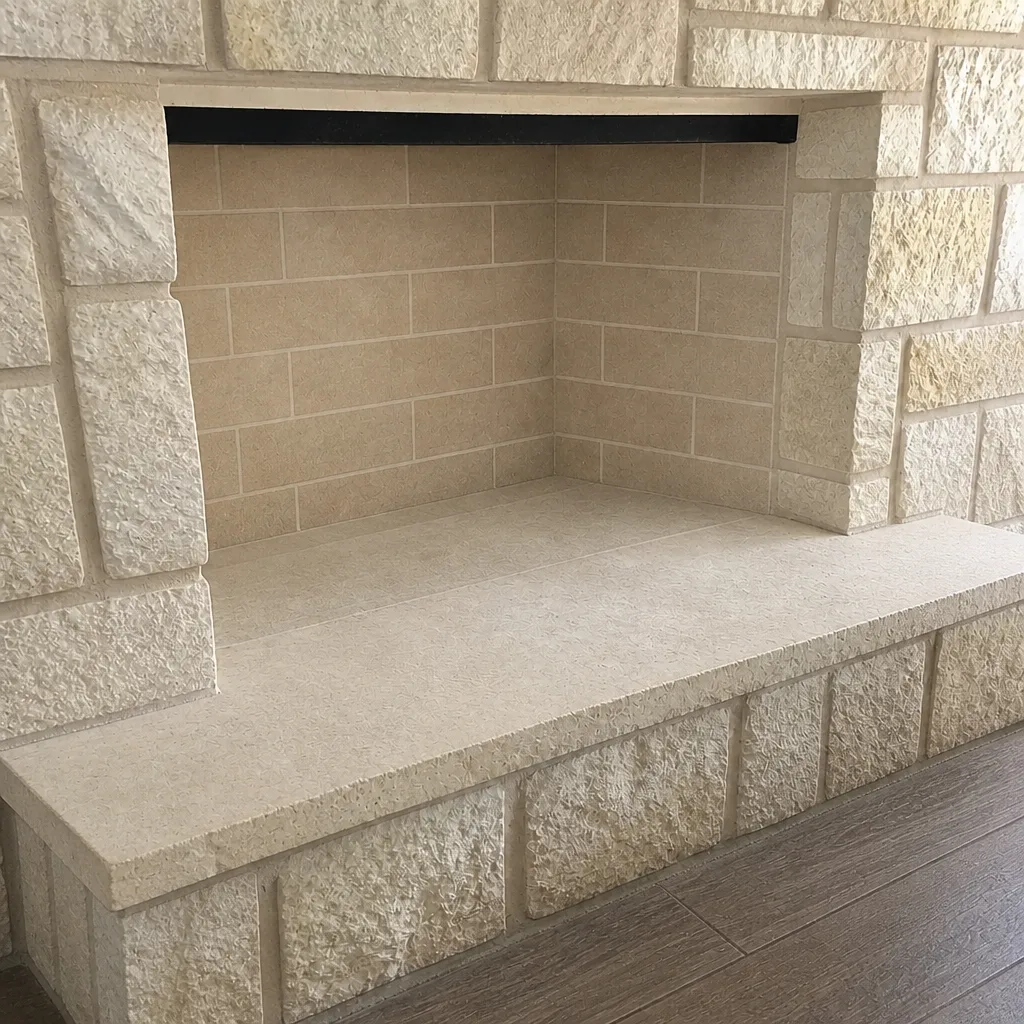
See the difference
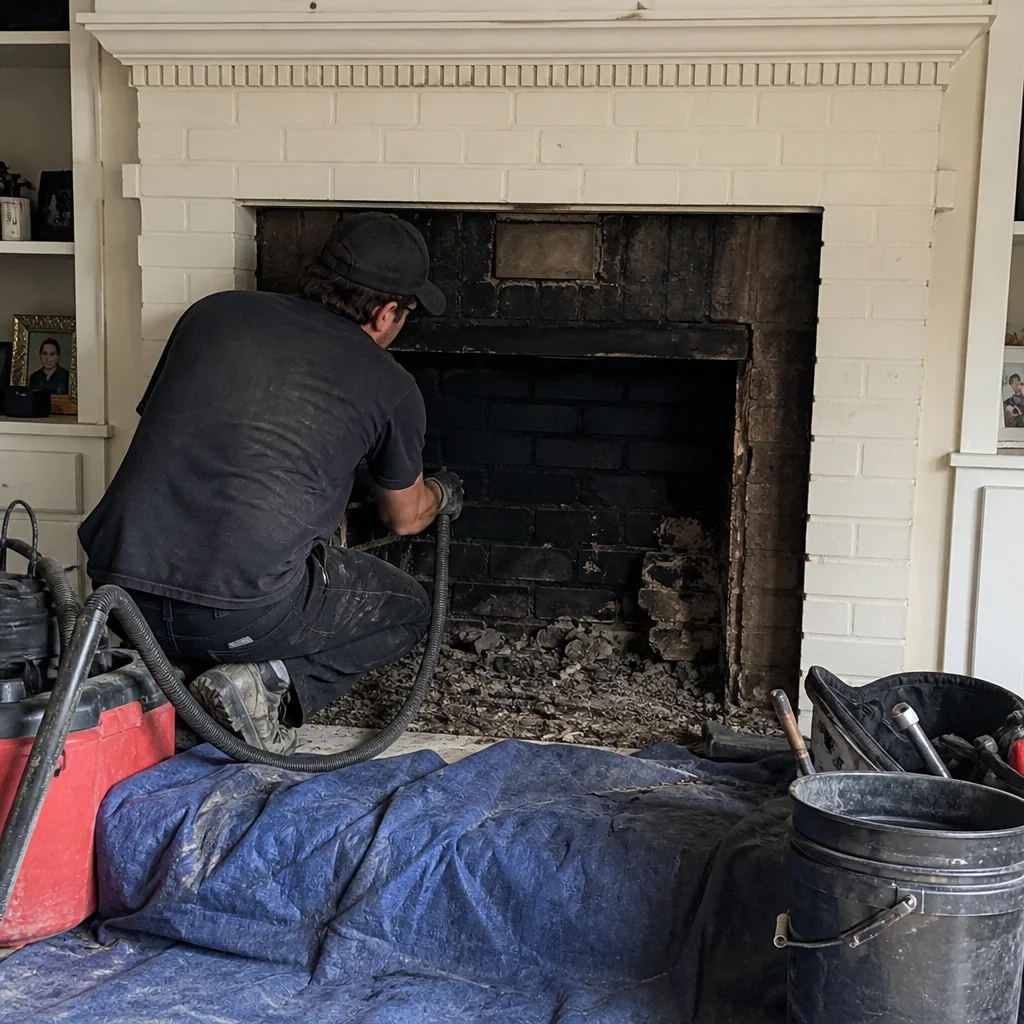 Before
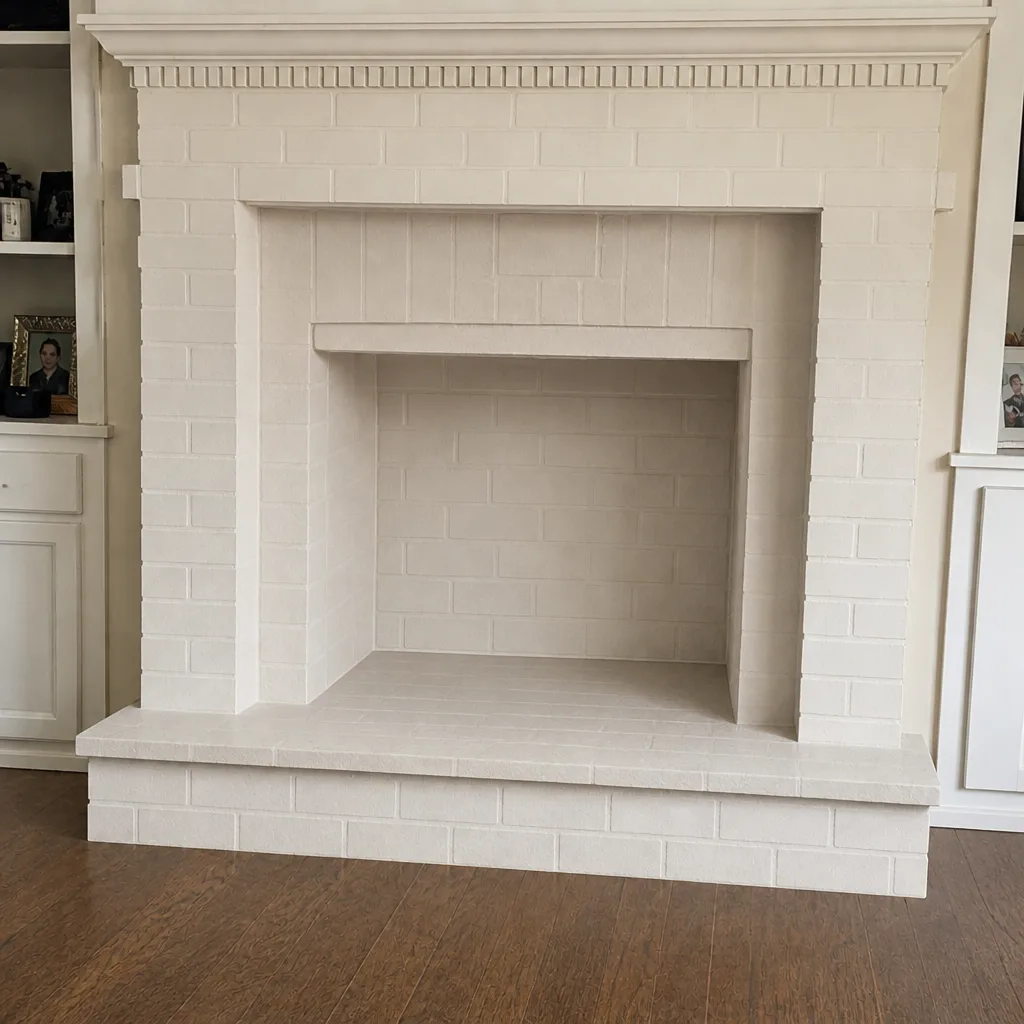 After
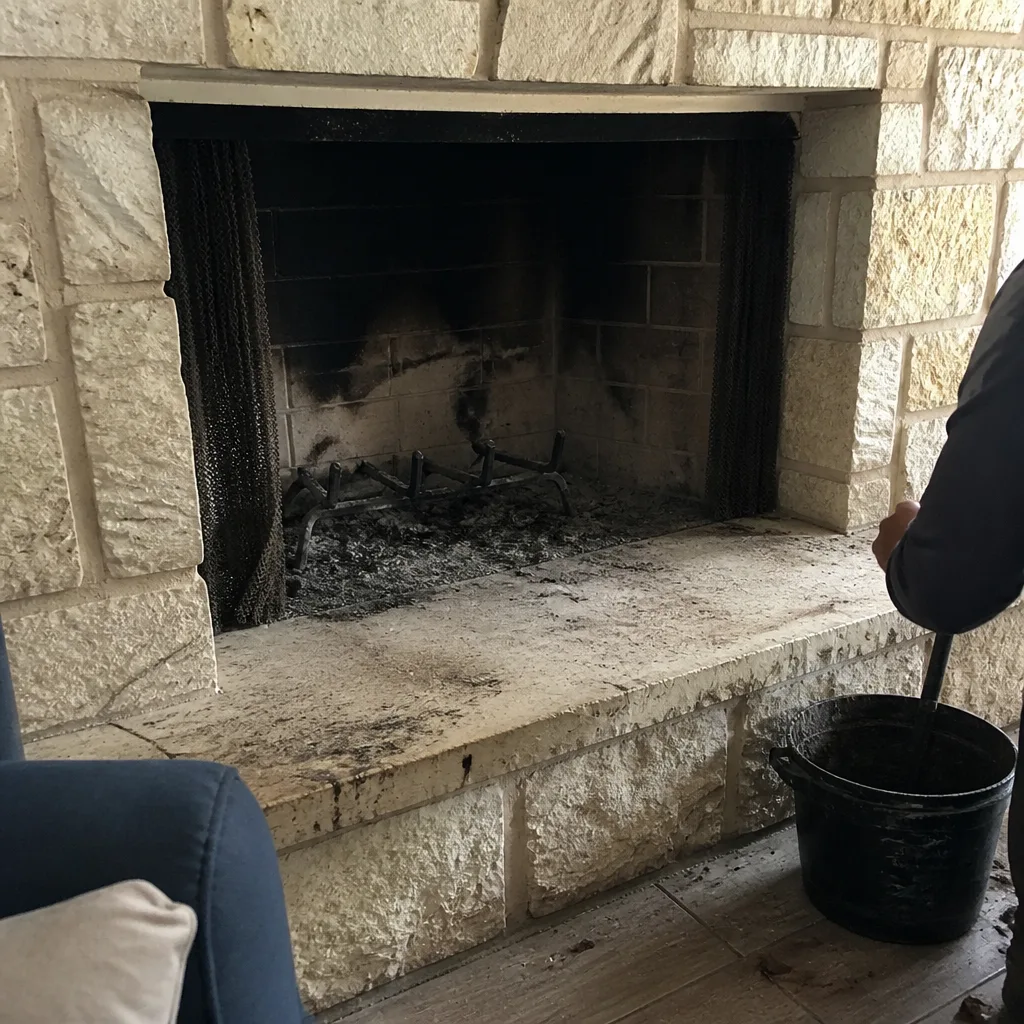 Before
 After
 Before
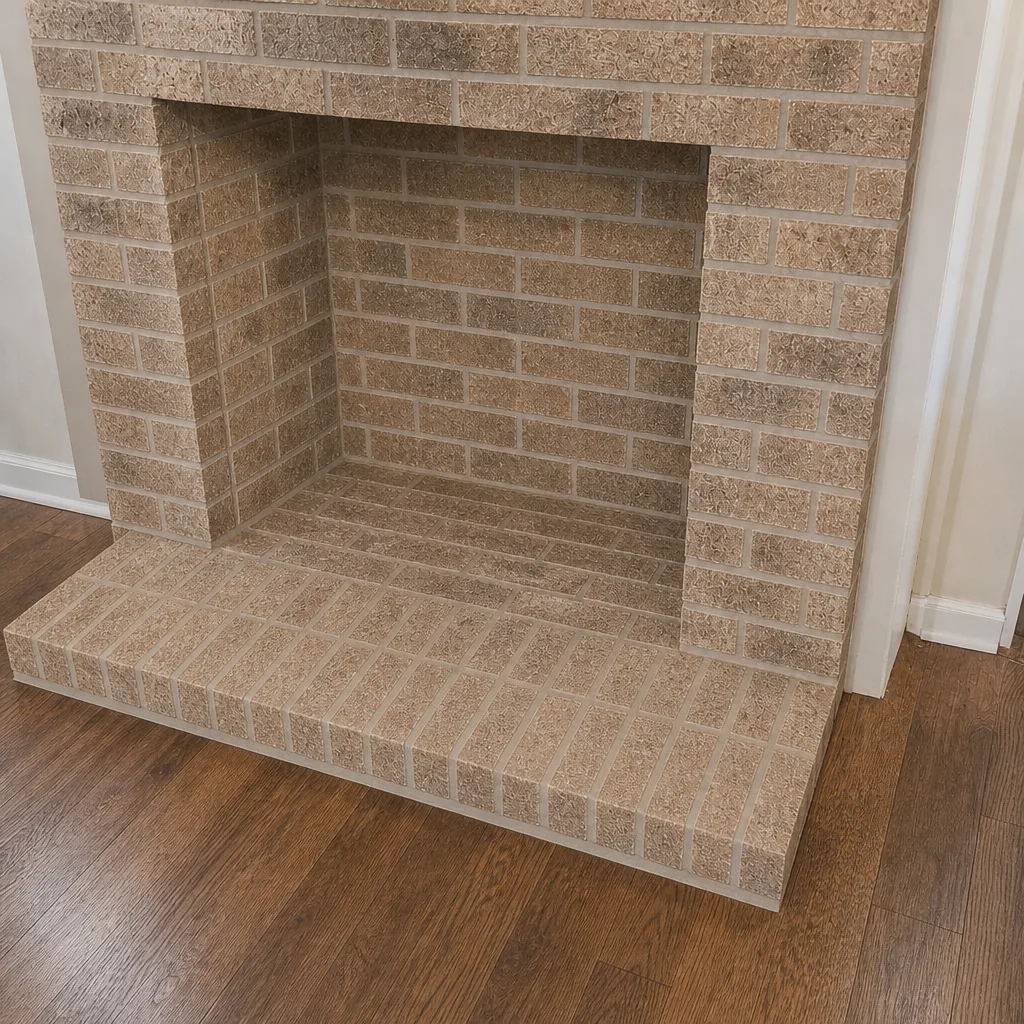 After