
Last updated November 25, 2026
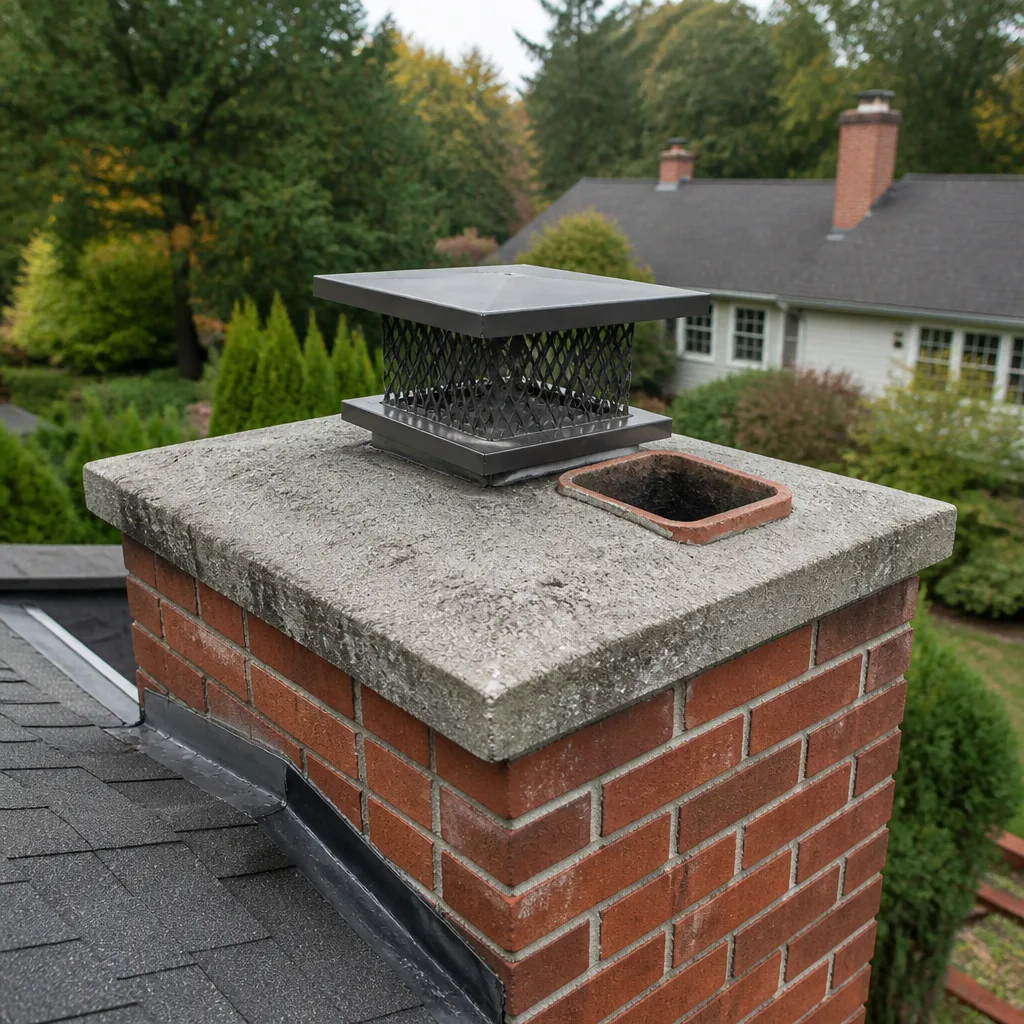 Sweep & inspection
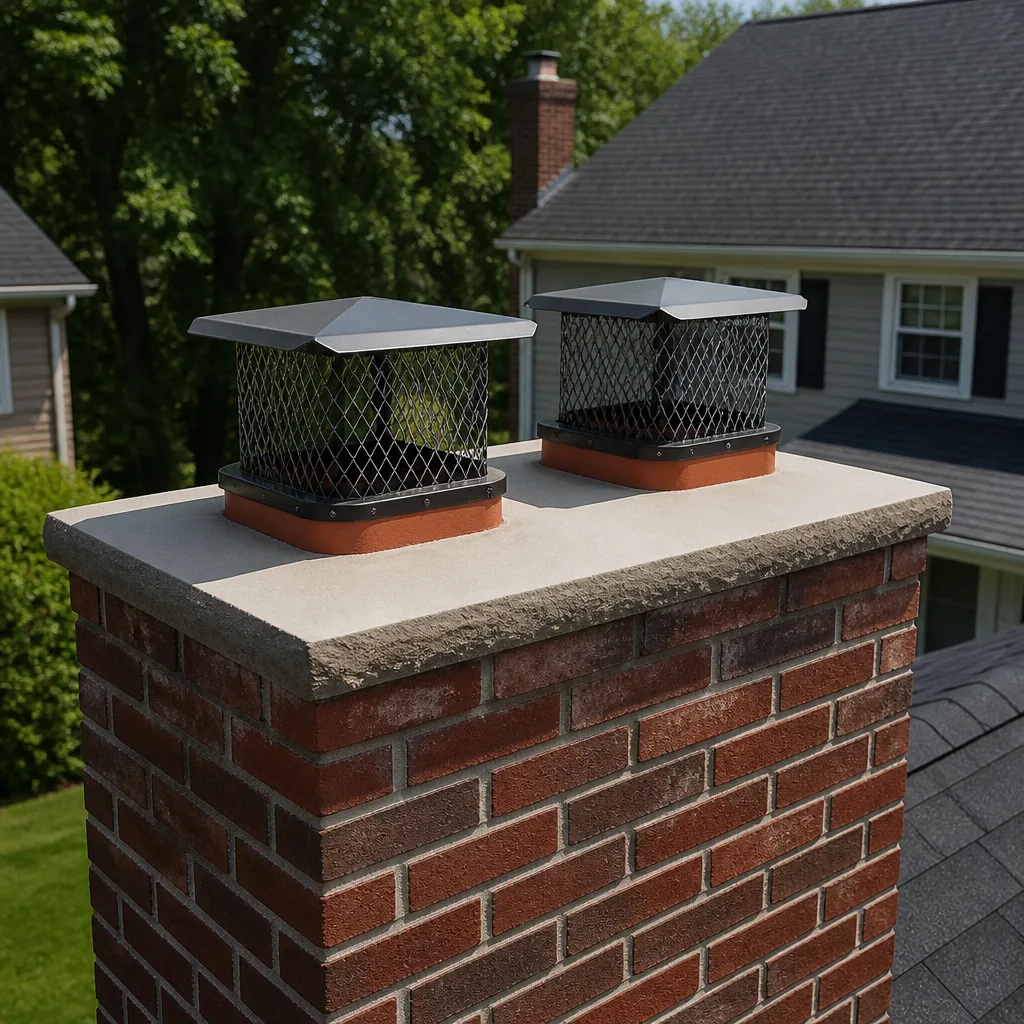 Caps & crowns
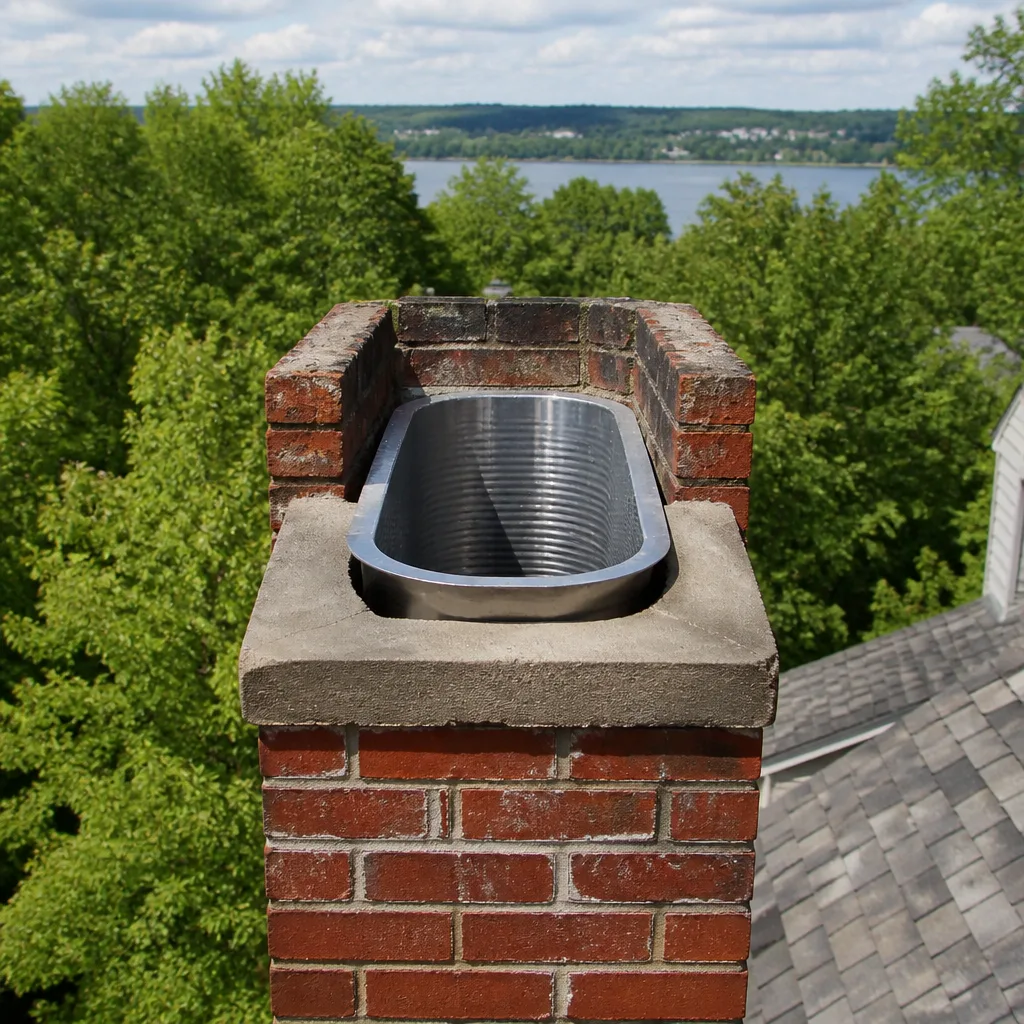 Flue relining
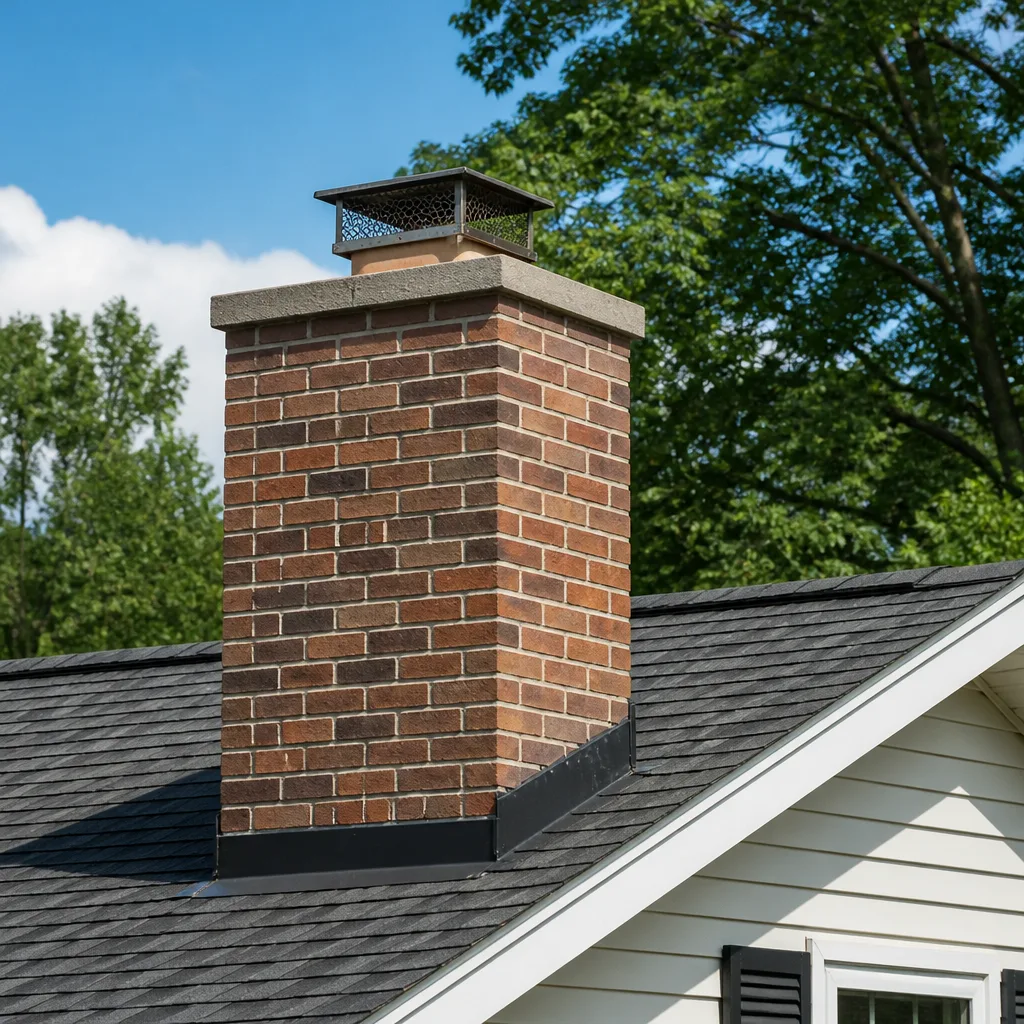 Masonry repair
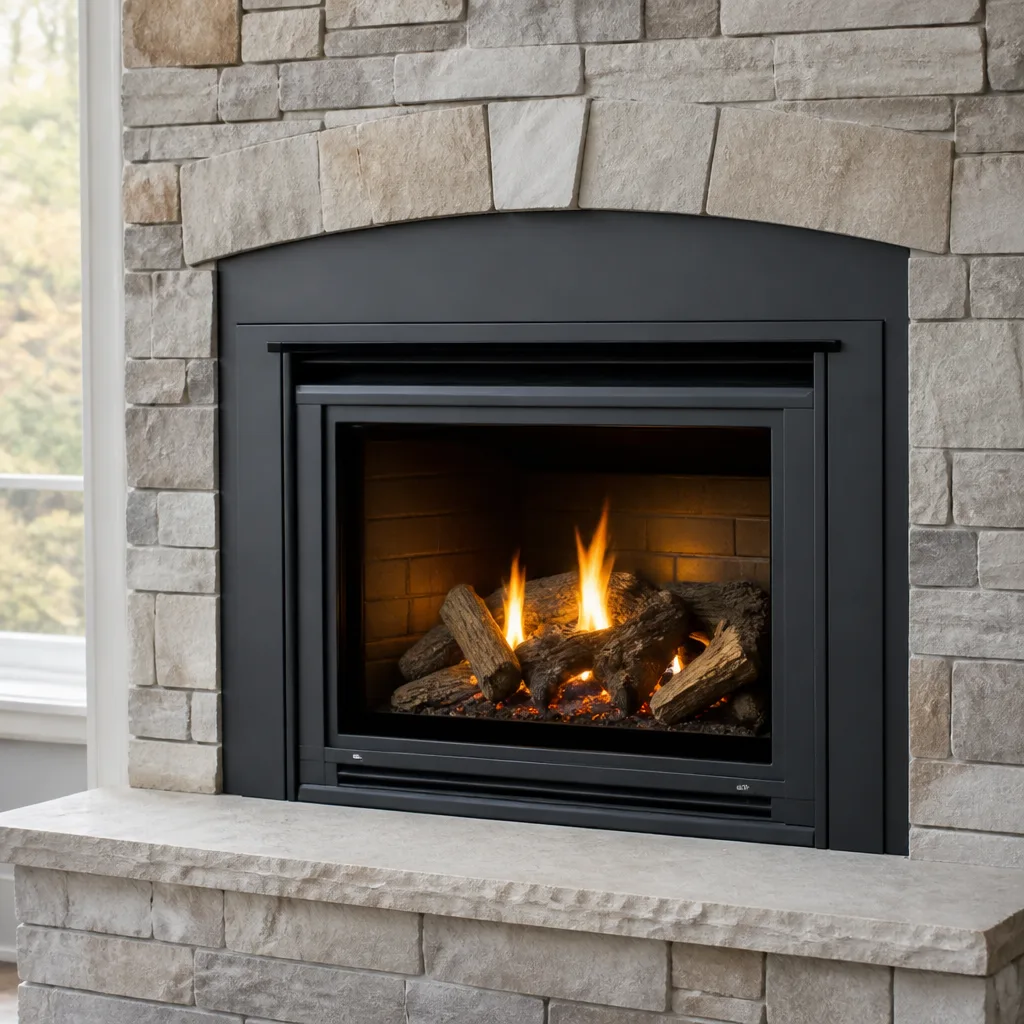 Gas fireplace service
Level 1 sweep and inspection to the NFPA 211 annual standard - flue, crown, cap, and flashing checked and photographed
Chimney sweep logs do not sweep chimneys. They loosen some creosote - which then falls where a brush and vacuum still have to collect it.
Chimney Cleaning Cost Breakdown: The Uptown Homeowner’s Reference for 2026
Two quotes can land on the same kitchen table in Uptown and differ by two hundred dollars without either one being unfair. That surprises people. A sweep is not a single product you can price by the minute, the way a plumber prices a shutoff valve. It’s a bundle: the cleaning itself, whatever the technician finds while the brush is in the flue, and the question of who is going to fix it if something’s wrong. A low quote that ends at the cleaning and a higher one that includes a real inspection are quoting different jobs entirely. This reference breaks down what each tier in the Uptown market actually contains for 2026, which add-ons are legitimate, which ones are pressure, and what deferring the work really costs. Uptown homeowners deserve to compare line items, not just totals.
Quick Answer
A standard chimney cleaning in Uptown typically runs $150 to $250 for a wood-burning masonry chimney, $130 to $220 for a prefab unit, and $110 to $190 for a gas insert that needs only light service. Bundling a Level 1 inspection adds $50 to $100, and a Level 2 video scan adds $150 to $300. Anything beyond that – liners, crowns, firebox repair – should show up as a separate written estimate, itemized, before anyone starts work.
Styles & brands we work with
- Sweep & inspection
- Caps & crowns
- Flue relining
- Masonry repair
- Gas fireplace service
Table of Contents
- Why chimney cleaning prices in Uptown vary so much
- What each service tier actually costs in 2026
- Which add-ons are legitimate and which to push back on
- Cost by chimney type: masonry, prefab, and gas
- How repair costs discovered during a cleaning are priced
- The true cost of skipping your annual sweep
- Questions to ask before you book
- Common mistakes to avoid
Why Chimney Cleaning Prices in Uptown Vary So Much
Uptown’s housing stock explains most of the spread. The neighborhood mixes older bungalows and early twentieth-century houses with mid-century ranches and newer infill, and a chimney from 1920 is a different cleaning job than one from 2015. Older masonry flues often have offset tiles, heavy soot shelves, and a firebox that’s been patched once or twice. Newer prefab systems have their own quirks – shorter flues, tighter clearances, and sometimes a factory liner that limits what a brush can safely do.
Then there’s the question of what “cleaning” means to the company quoting it. Three broad patterns show up again and again:
- Sweep-only operators clean the flue and leave. If they find a cracked tile or a failing liner, they hand it off and tell you to call someone else. The price is low because the scope is narrow.
- General handymen quote a sweep as a loss-leader and then improvise the repair work. The cleaning may be fine; the repair may not be.
- Full-scope chimney specialists clean, inspect, and can repair what they find – without a second contractor. The cleaning price is sometimes higher, but it’s covering a visit that produces a real diagnosis.
We work the third way. A chimney sweep visit from us includes a visual check of the firebox, damper, smoke chamber, and flue, because a cleaning without that check is only half the job. That’s the reason our quote isn’t the lowest on the block, and it’s worth knowing before you compare us to a $99 ad.
The mild winters in this part of Texas also shape the local market. Chimney use is seasonal and relatively short, so a lot of Uptown homeowners book in one burst before the first cold snap. That compression matters for scheduling, not for price – but it’s the reason a sweep booked in October feels easier to get than one booked in December. Getting an annual Chimney Sweep Uptown on the calendar before use season also means you’re cleaning out a season’s accumulation rather than years of it.
What Each Service Tier Actually Costs in 2026
Chimney cleaning pricing in Uptown for 2026 breaks into three recognizable tiers. The table below reflects typical ranges – the written estimate sets the final price, and every chimney is inspected before a number is agreed.
- Cleaning only: $110 to $250, depending on chimney type and condition. Covers brushing the flue and cleaning the firebox. No inspection report.
- Cleaning plus Level 1 inspection: $170 to $320. Adds a visual check of accessible portions – firebox, damper, smoke chamber, flue, cap, and crown – with a short report on anything that needs attention.
- Cleaning plus Level 2 video scan: $260 to $500. Adds a camera run through the flue so the technician (and you) can see the interior of every tile joint and liner seam on a monitor.
What’s in each one matters more than the range:
- Cleaning only is appropriate when the chimney has been serviced annually and nothing has changed. It’s a known-good situation with routine soot.
- Cleaning plus Level 1 is the right annual baseline for most Uptown homes, and it’s what we recommend as the default.
- Cleaning plus Level 2 is the correct call when a home changes hands, after a chimney fire, after a significant repair, or when the flue has never been scoped. A camera is the only way to see a failed tile joint that isn’t yet showing through the masonry.
If you’re calling about a chimney you’ve never had looked at, ask which tier the quote includes. A two-hundred-dollar quote that’s cleaning-only and a three-hundred-dollar quote that’s cleaning plus Level 2 aren’t competing prices – they’re different products.
For comparison, a chimney cap & crown install is priced separately and typically runs $250 to $650 depending on cap style, crown size, and masonry condition. It’s the single most cost-effective piece of chimney work most Uptown homeowners can do, because a properly fitted cap keeps water and animals out of the flue and slows down the exact deterioration that leads to liner repair.
Which Add-Ons Are Legitimate and Which to Push Back On
Add-ons are where a fair quote can quietly turn into an unfair one. Some supplemental charges are real and necessary. Others are pressure. Here’s how to tell them apart.
Legitimate add-ons:
- Level 2 camera scan when there’s a reason – new home, prior fire, unrepaired damage, or a flue that’s never been scoped. The camera and labor are real.
- Heavy creosote removal. Stage 3 glazed creosote is chemically treated and re-swept, and the labor and chemicals are real. Expect it to be quoted separately, itemized.
- Firebox or damper repair if the technician finds cracked refractory panels or a damper that no longer seals. This should come with a photo or a camera view, not just a description.
- Cap and crown replacement when the cap is missing or rusted through, or the crown is cracked. Both are visible to you from the ground or on the camera.
Common upsell pressure points:
- “Your whole liner is shot” quoted before any camera work has been done. Ask to see the scan.
- Same-visit repair pressure. Structural work found during a sweep can be scheduled, not decided on the spot. A reasonable specialist will show you what they see and let you think about it.
- Generic “resurfacing” charged as a line item without explanation of what product goes where. HeatShield, for example, is a factory-engineered resurfacing system for deteriorating flue tiles – not the same as a spray-on product.
- “Annual maintenance plans” that bundle services you’d otherwise buy separately at similar prices. Read what’s actually included.
We push hard on one principle: nothing gets recommended without evidence you can see. That means a camera view for the flue, a photo for the firebox, and a written estimate before any repair work begins.
Cost by Chimney Type: Masonry, Prefab, and Gas
The chimney itself decides most of the price. Masonry, prefab, and gas systems are cleaned with different tools, on different schedules, and with different risks – so the numbers vary.
Masonry wood-burning chimneys
Typical Uptown cleaning range: $150 to $250. Masonry flues have more surface area, more soot, and more to inspect – tile joints, mortar, crown, cap, smoke chamber. This is the most labor-intensive cleaning and the one that most rewards an annual visit, because masonry problems start small and get expensive fast.
Prefab wood-burning chimneys
Typical range: $130 to $220. Prefab systems have a steel or refractory liner that a brush pass has to handle carefully. Labor is lower because the flue is shorter and smoother, but the technician has to be fluent in the manufacturer’s requirements – the wrong brush can damage the liner. This is where the trade brands matter to the homeowner; the materials we source through Olympia Chimney and Famco are the same supply chain the trade relies on, and they’re specified for a reason.
Gas inserts and gas fireplaces
Typical range: $110 to $190. Gas systems don’t build creosote the way wood does, but they still need annual service – the burner, logs, and venting all have to be checked, and the venting itself accumulates dust and debris. The cheapest-looking quote here is often the least thorough; a proper gas service includes a carbon monoxide check.
If you’re unsure which category your chimney falls into, describe it when you call. A prefab unit with a steel liner and a 1930s masonry chimney are not the same quote, and any company worth hiring will ask before settling a price.
How Repair Costs Discovered During a Cleaning Are Priced
This is the part of the pricing conversation that matters most, and the part most homeowners don’t think to ask about until they’re already in it. A sweep is a cleaning; the actual cost of the visit can grow quickly if the technician finds a problem. The difference between a good and a bad experience is almost never the cleaning price – it’s how that discovery is handled.
Here’s what a written repair estimate should itemize:
- The finding itself. “Failed tile joint at approximately 12 feet” is a finding. “Your flue needs work” is not.
- The evidence. A camera image, a photo, or a description of what was visible on the scan. If the finding is inside the flue, you should be shown the interior.
- The material and product. “Install DuraFlex flexible liner” or “apply HeatShield resurfacing” tells you what’s going in. “Liner system” is vague; a brand and a reason are not.
- The scope. How much of the chimney is being addressed, and why not more or less.
- The price, as a range or a fixed number, with what could change it. If additional damage is uncovered mid-job, the estimate should say so before work starts.
- What can safely wait. A worn crown with no active water intrusion is not the same urgency as a liner with visible gaps. A good estimate distinguishes the two.
Repair ranges in the Uptown market for 2026 look roughly like this: a HeatShield flue resurfacing typically runs $900 to $1,800 depending on flue size and condition; a DuraFlex flexible liner install typically runs $1,800 to $4,000 depending on liner diameter, height, and whether the flue needs any prep; a chimney crown rebuild typically runs $500 to $1,200 depending on size and access; firebox refractory panel repair is typically $400 to $1,200. Every one of these is set by the written estimate after the technician has seen the chimney.
The key point: our fireplace repair work is priced on the findings, not on what a technician guessed over the phone. If a problem is found during a sweep, you get an itemized estimate before we pick up a tool.
The True Cost of Skipping Your Annual Sweep
Deferred maintenance is the most expensive thing in this trade. A chimney that’s swept annually is a chimney where problems get caught cheap. A chimney that goes three or four years without a sweep is a chimney where the same problems become structural.
Two specific scenarios drive the cost up fast:
- Stage 3 creosote removal. Glazed creosote is not broomable. It’s chemically treated, allowed to soften, and re-swept, sometimes over multiple visits. The process is slower, the materials are real, and the job isn’t done in a single afternoon. Expect it to cost meaningfully more than an annual sweep – and to require a follow-up.
- Chimney fire remediation. A chimney fire can crack tiles, distort liners, and damage the crown. Repairing after a fire means a Level 2 scan, a liner replacement in most cases, and sometimes masonry work. The combined cost is many times an annual sweep.
Beyond dollars, there are two safety reasons this matters. Creosote is the fuel that feeds a chimney fire, and a blocked or restricted flue can push combustion gases back into the home instead of up and out. Carbon monoxide is colorless and odorless, which is why the annual check matters – the failure that lets it in isn’t something you can smell. This isn’t scaremongering; it’s why the trade treats the annual sweep as the baseline, not a luxury.
If it’s been a few years, that’s a normal situation, not a crisis. Call, get it inspected, and let the findings decide what’s urgent and what can wait a season.
Questions to Ask Before You Book
The quality of the answers to these six questions tells you more about a chimney company than the price on the quote.
- Does the quote include an inspection? If not, ask what it costs to add one. A price without a diagnosis is a price for a service you can’t evaluate.
- Will I see a camera view if something’s found? Any legitimate company will say yes. “We’ll describe it” isn’t the same.
- What brands go into the repair? DuraFlex for liners, HeatShield for resurfacing, Gelco for caps. Knowing what’s being installed is basic; a company that can’t name it usually can’t install it well.
- Is the repair itemized in writing before work starts? It should be. Verbal repair quotes are where things go sideways.
- What can safely wait? A good specialist will tell you. A company that says “everything is urgent” is telling you what they want, not what the chimney needs.
- Are you licensed and insured as your state requires? Any local pro we connect you with is licensed and insured as their state requires. Ask the question anyway – it costs nothing and tells you how the company responds.
A fair sweep quote in Uptown in 2026 is a quote you can compare line-item to line-item against another. If you’re getting quotes, ask what each tier includes. The number at the bottom of the page is only half the answer.
Common Mistakes to Avoid
- Comparing a cleaning-only quote against a cleaning-plus-inspection quote. Two hundred dollars for a sweep and two hundred for a sweep plus report are not the same price. Compare scope, not totals.
- Booking only on the lowest number. The cheapest sweep in the neighborhood becomes the most expensive one when it finds a problem it can’t fix and hands you off to a second contractor. The full-scope visit saves that step.
- Approving repair work without seeing the evidence. Ask for the camera view or the photo, every time. A legitimate specialist will show you. It’s the single fastest way to separate real work from upsell.
- Assuming a prefab liner is a masonry flue. They need different brushes and different clearances. If the company doesn’t ask what kind of chimney you have before they quote, they’re not going to handle it correctly when they get there.
- Treating “annual” as optional. Uptown’s mild winters compress the use season, which means a skipped year is a skipped cycle. The next visit is often a Stage 3 creosote removal instead of a routine sweep.
- Ignoring the crown and cap because the flue was fine. A cracked crown lets water into the masonry; a missing cap lets animals in and water down the flue. Both are cheaper to fix than the masonry damage they cause.
- Not asking what can wait. Some findings are real and urgent. Some are worth watching. A company that doesn’t tell you the difference is managing you, not the chimney.
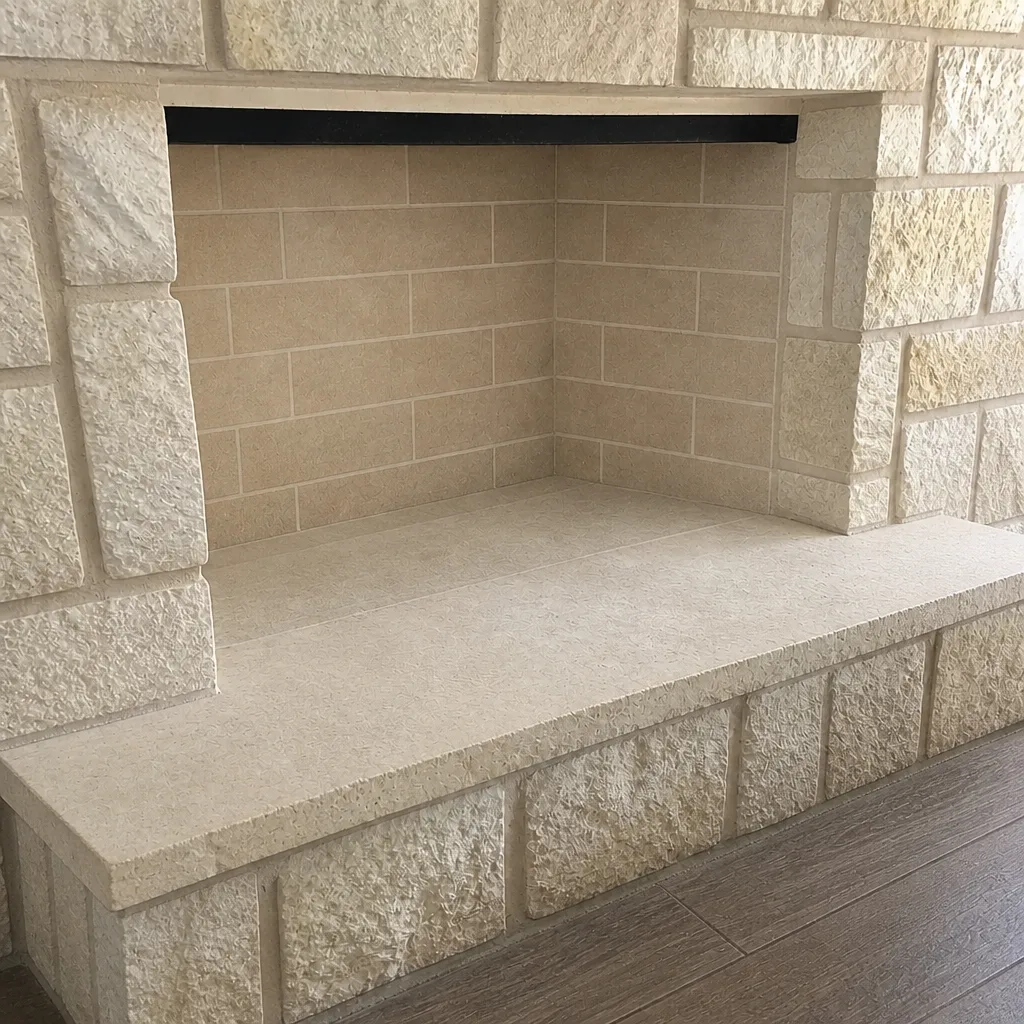
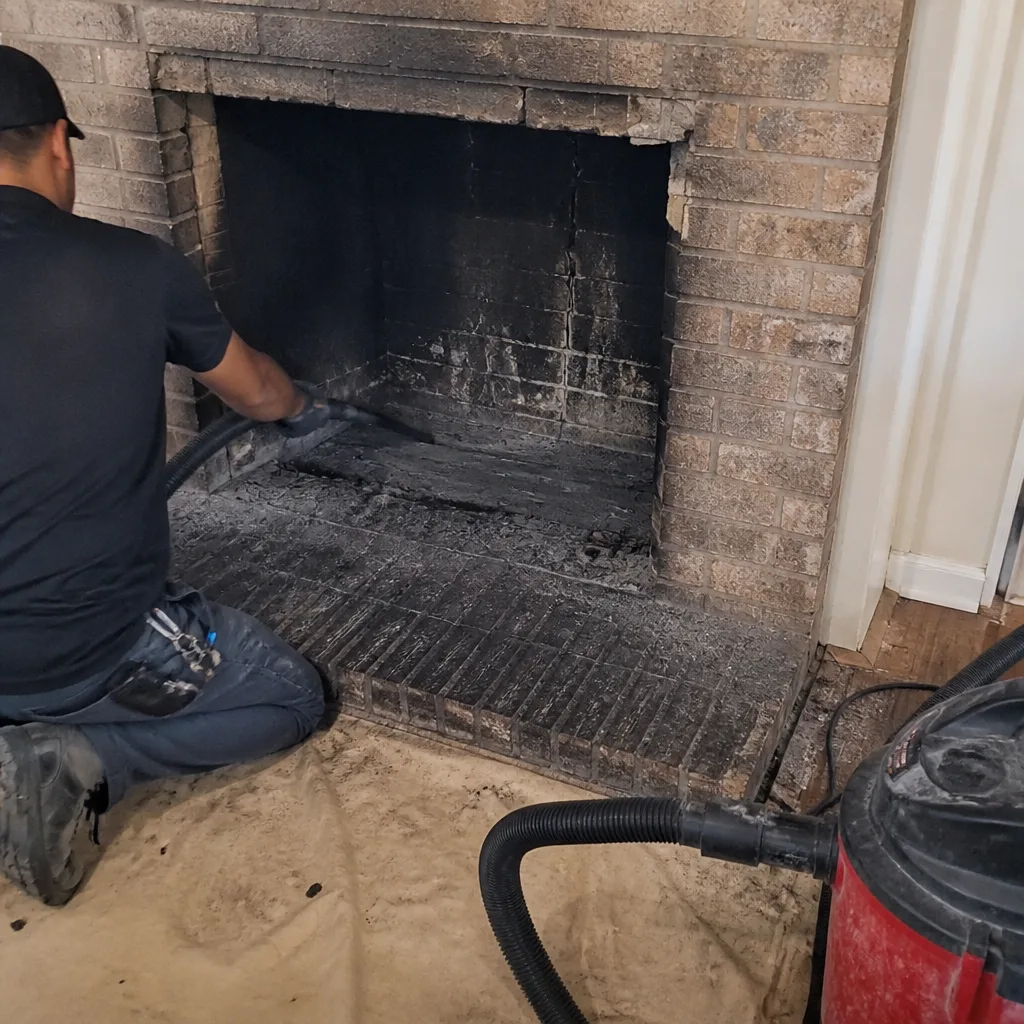
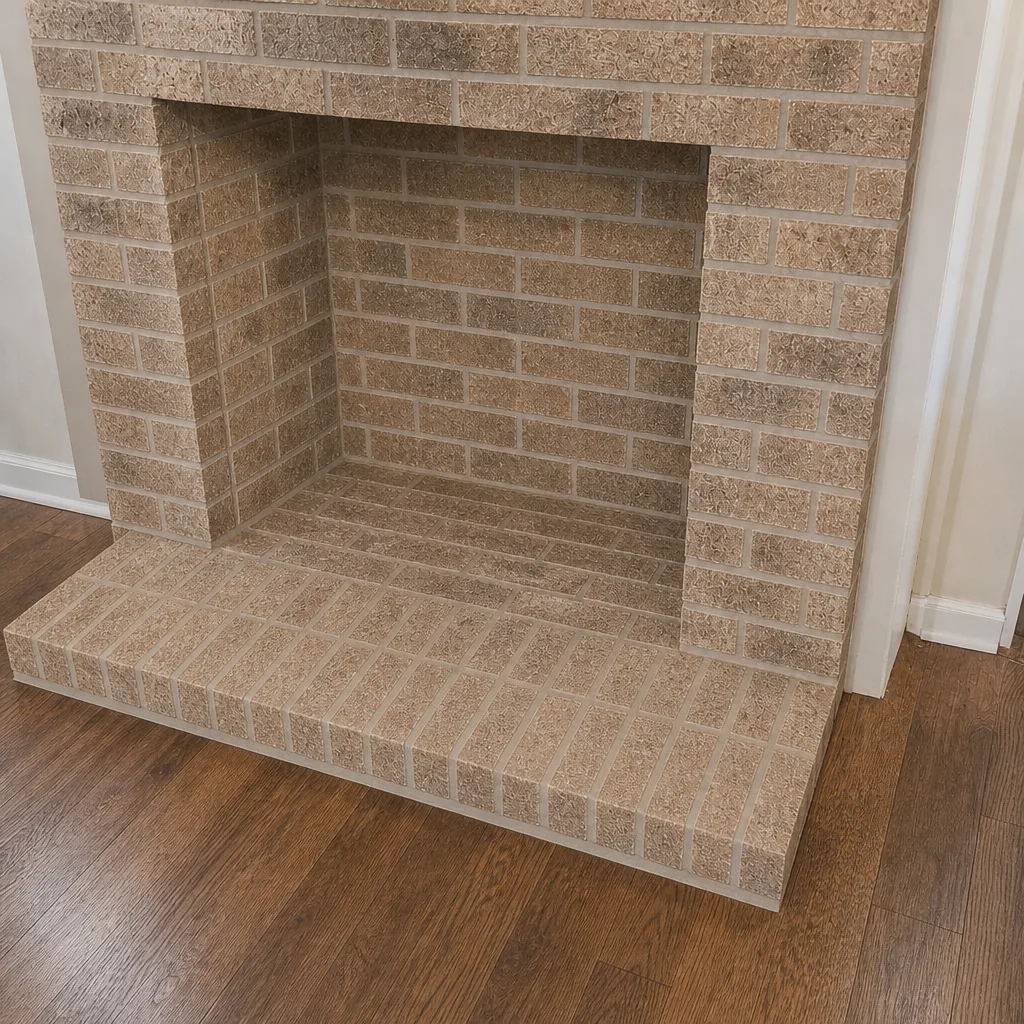
See the difference
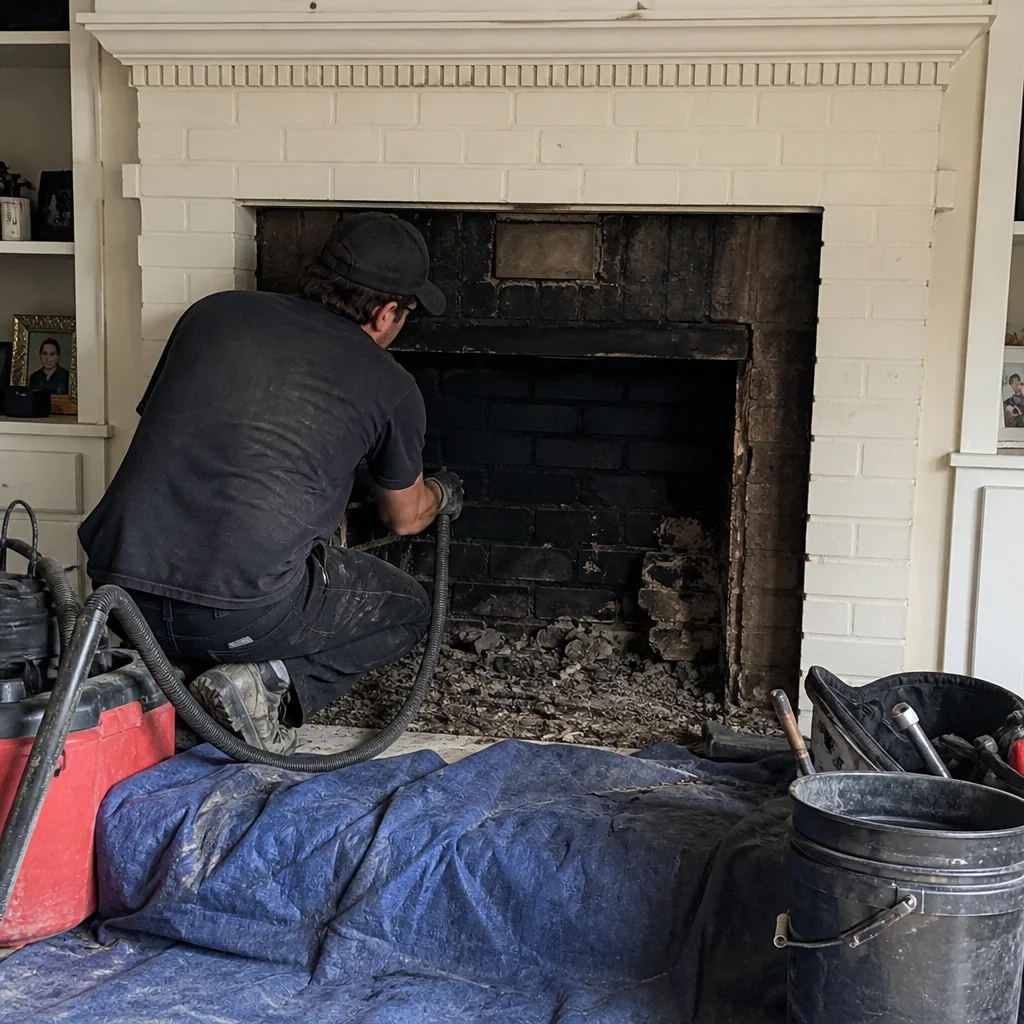 Before
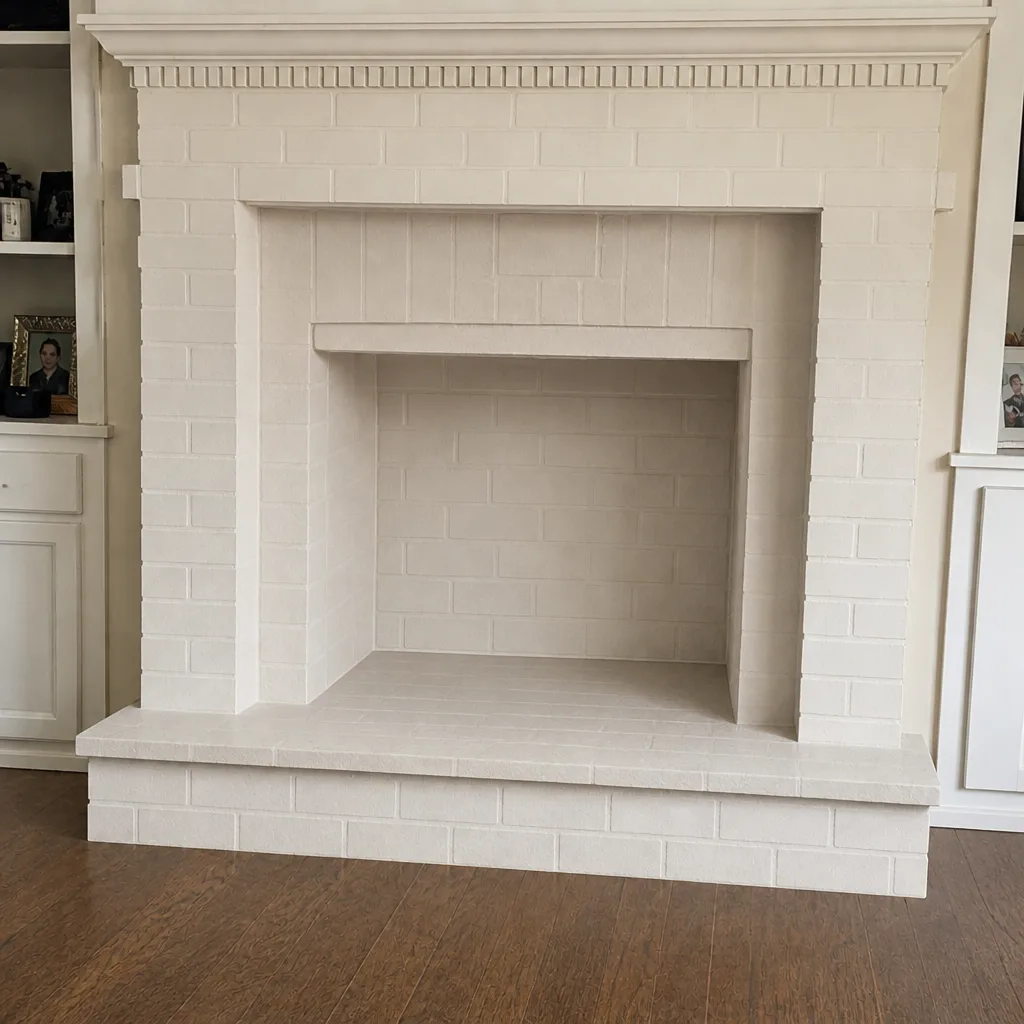 After
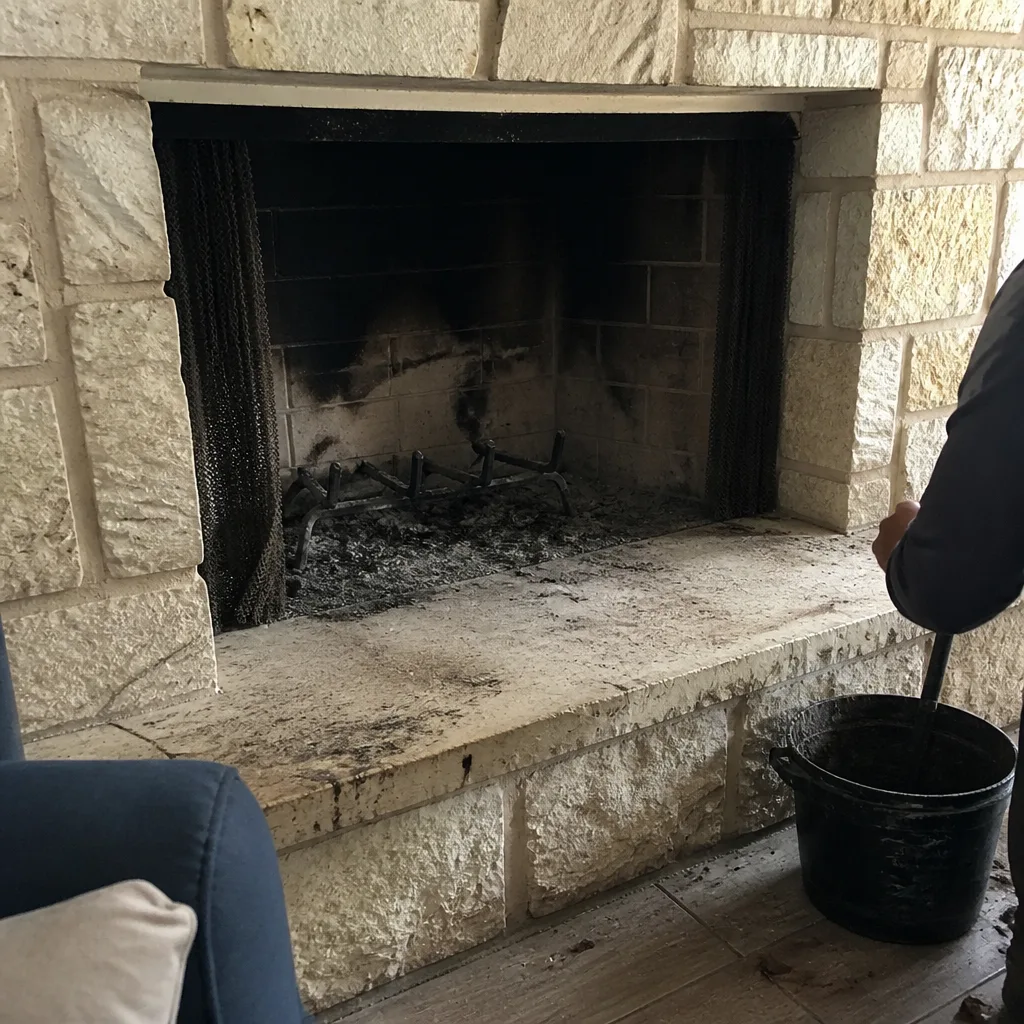 Before
 After
 Before
 After
When to Call a Professional
Some situations need a call to a specialist rather than a homeowner inspection. That’s true when the flue has never been checked on a home you’ve bought, when you smell smoke inside the house during a fire, when soot falls back into the firebox, when the crown or cap is visibly damaged, or when it’s simply been more than two years since the last sweep. It’s also true when a chimney has had a fire in the flue – even a small one – because the visible damage rarely tells the whole story.
Chimney Sweep Uptown offers free estimates in Uptown – call (855) 814-8019. We answer 24/7. Fast dispatch from 7am to 7pm, Sunday through Friday.
Frequently Asked Questions
A chimney sweep in Uptown typically costs $150 to $250 for a masonry wood-burning chimney, $130 to $220 for a prefab unit, and $110 to $190 for a gas insert, with the written estimate setting the final price. Adding a Level 1 inspection usually adds $50 to $100; adding a Level 2 video scan adds $150 to $300. Call (855) 814-8019 for an exact quote – estimates are free.
Only if the camera shows the current liner has failed – cracks, gaps at tile joints, or deteriorated sections. A proper assessment is a Level 2 video scan, not a visual glance, and you should see the images before you approve anything. If the liner is intact, resurfacing with HeatShield may be the right middle path rather than a full liner replacement. A written, itemized estimate should say which and why. Call (855) 814-8019 to book an assessment.
Once a year for a wood-burning chimney used regularly, and once a year for a gas insert regardless of how often it’s used. A homeowner burning wood daily should treat the annual sweep as a minimum and consider a mid-season check. Homes on a sparse burn schedule still need the yearly visit, because the inspection matters as much as the cleaning. Call (855) 814-8019 to schedule an annual sweep.
Creosote builds up on the flue walls and can reach a glazed Stage 3 state, which has to be chemically treated rather than swept. That turns a routine annual sweep into a slower, more involved removal, and it raises the risk of a chimney fire. A blocked flue can also push carbon monoxide back into the living space instead of venting it. Call (855) 814-8019 to get the chimney checked before the next burn season.
Masonry has more surface area, more soot, more to inspect, and a flue that’s often twelve feet or more of tile joints that all need checking. Prefab systems have a shorter, smoother liner that takes less time to clean, and gas inserts need lighter service because they don’t build creosote the way wood does. The gap in labor is real, and any quote should reflect it.
Often, yes: a sweep and something like a cap replacement or a firebox patch can typically be done in the same visit if the estimate has been approved first. Structural repairs like a liner install or a crown rebuild are usually scheduled as a separate appointment so the materials and crew time are right. What won’t happen is a repair decided on the spot without an itemized estimate and evidence. Call (855) 814-8019 to talk through what you’re seeing.
The Bottom Line
Chimney cleaning prices in Uptown for 2026 fall into three tiers – cleaning only, cleaning plus Level 1, and cleaning plus Level 2 – and any fair quote you receive tells you which tier you’re getting along with the range. Repair findings from a sweep should arrive as an itemized written estimate with evidence you can see: a camera view of the flue, a photo of the firebox, a brand name attached to the material. Deferring the annual sweep is the most expensive move on the table, because glazed creosote and post-fire liner repairs cost many times an annual visit. A proper specialist will also tell you what can safely wait. That’s what an honest chimney relationship looks like – one visit, one diagnosis, one company that can actually do the work.
Written by the team at Chimney Sweep Uptown.