
Last updated November 25, 2026
 Sweep & inspection
 Caps & crowns
 Flue relining
 Masonry repair
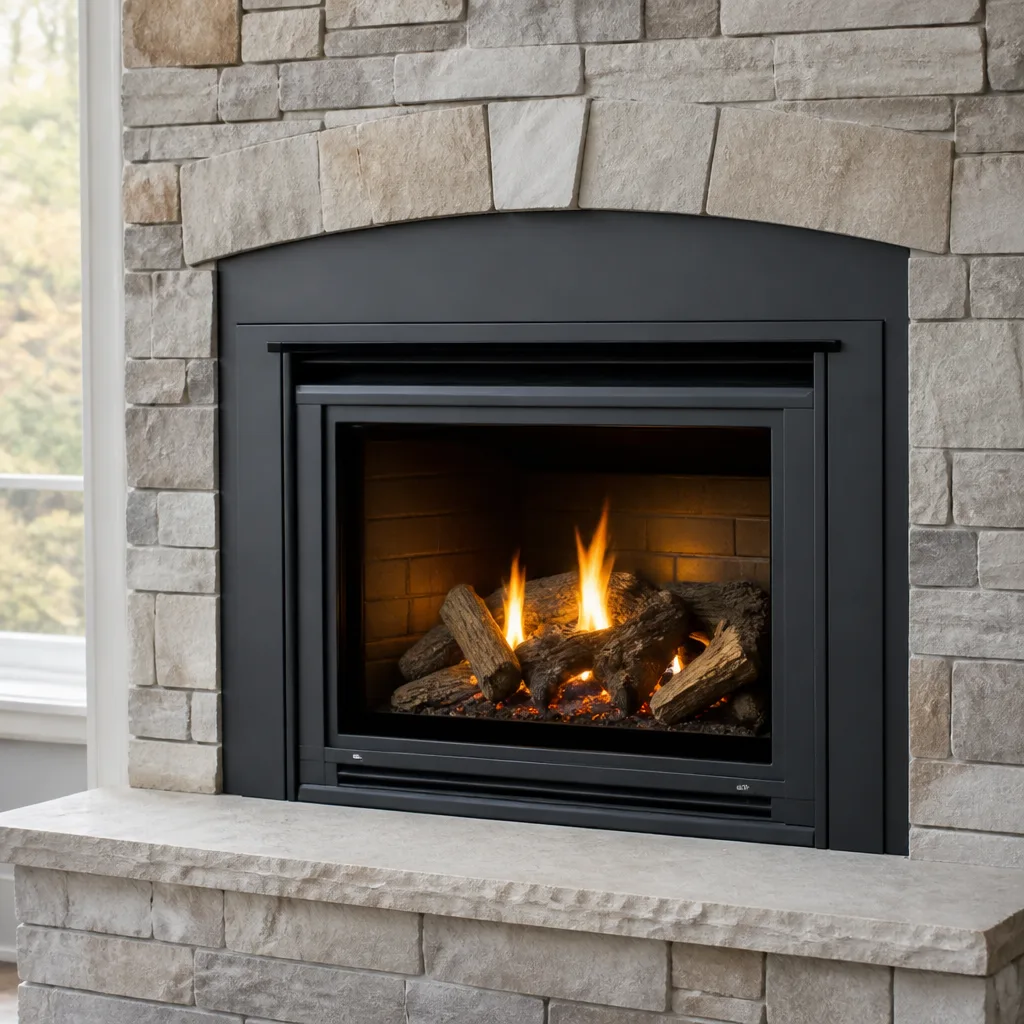 Gas fireplace service
Level 1 sweep and inspection to the NFPA 211 annual standard - flue, crown, cap, and flashing checked and photographed
Chimney sweep logs do not sweep chimneys. They loosen some creosote - which then falls where a brush and vacuum still have to collect it.
Chimney Sweep Troubleshooting in Uptown: Common Problems and How to Fix Them
If your fireplace smokes back into the room, most online guides tell you to open the damper wider. In Uptown’s older homes, that advice often makes the problem worse, because the real culprit is frequently a collapsed flue tile or a blocked flue that no amount of damper adjustment will fix. The visible symptom and the structural cause are rarely the same thing. What follows is a working guide to reading your chimney’s warning signs in sequence, separating what you can safely observe yourself from what needs a camera, and knowing which problems can wait for next season and which mean you stop burning now.
Quick Answer
Chimney problems in Uptown usually trace back to four root causes: blockage, a drafting or pressure imbalance, damaged flue tiles, or water intrusion through a failing crown and cap. Diagnosing the cause before fixing the symptom is what keeps repair money from being wasted. Smoke backdraft, a smoky smell, crumbling mortar, and staining on the firebox all point to specific structural issues, and most of them are repairable in a single service relationship once they’re correctly identified.
Styles & brands we work with
- Sweep & inspection
- Caps & crowns
- Flue relining
- Masonry repair
- Gas fireplace service
Table of Contents
- Reading the Symptom, Not the Story
- Why Does My Fireplace Smoke Into the Room?
- What Can You Check Yourself vs. What Needs a Camera?
- What Uptown’s Older Home Construction Means for Your Chimney
- Why Fixing the Visible Symptom Wastes Money
- The Decision Tree: What Can Wait and What Can’t
- Creosote: The Problem You Can’t See
- Why One Specialist Beats a Rotation of Vendors
Reading the Symptom, Not the Story
A chimney almost never fails in a single dramatic moment. It fails in a sequence, and each step in that sequence produces its own symptom. The trouble is that homeowners research the symptom they can see and get advice about a cause that doesn’t match. A smoky fire gets a damper answer. A drip gets a roofing answer. A smell gets a “just burn hotter wood” answer. None of those touch the actual problem, so the symptom returns the next time the fireplace runs, and the homeowner ends up paying twice.
We’ve seen this pattern repeat across Uptown because the housing stock here tends to be older, and older masonry carries specific vulnerabilities. Original brick mortar has had decades to weather. Flue tiles installed long before modern liner standards were common are prone to cracking and spalling. Chimneys built as part of a home’s original design may have drafting characteristics that a modern firebox insert never accounted for. The symptom you notice is the top of the stack. The cause is usually further down.
The right approach is sequential. Identify what you’re actually seeing, then match it to the structural condition that produces it, then decide whether you can fix it or need a trained eye. That is what this guide walks you through. If at any point the answer is “I need someone to look at this,” that’s not a failure of your troubleshooting. It’s the correct next step. You can Chimney Sweep Uptown starting with a call.
Key Takeaways
- Smoke backdraft, a smoky smell, water staining, and crumbling mortar each map to a distinct structural cause.
- A wider damper rarely fixes backdraft in an older Uptown home; it often points to a flue problem instead.
- Some checks are safe for a homeowner. Anything involving flue interiors, tile condition, or interior masonry needs a camera inspection.
- Fixing the visible symptom without addressing the cause is the most common way money gets wasted on a chimney.
- Knowing what can wait for next season keeps you from paying for urgency you don’t need.
Why Does My Fireplace Smoke Into the Room?
Smoke entering the room means the chimney is failing to move exhaust up and out, and that can happen for four very different reasons. They’re worth separating because each one calls for a different fix. The first is a simple blockage: a nest, a fallen tile, soot accumulation, or a collapsed cap screen preventing flow. The second is a draft pressure imbalance: the chimney is clear, but the house itself is depressurized or the flue is too short for the firebox. The third is flue damage: cracked or dislocated tiles create turbulence and leaks that no amount of open damper will solve. The fourth is a cold flue that won’t establish draft until it warms up, which is common on a first fire of the season.
Here’s why the damper answer misleads so many Uptown homeowners. Opening the damper wider assumes the flue is clear and wants more air. If the flue is blocked or damaged, opening it wider changes nothing, because the air path is compromised regardless of the damper position. And if the problem is a house depressurization issue, opening the damper can actually pull more smoke into the room because the pressure gradient doesn’t improve.
Matching Uptown Smoke Symptoms to Causes
- Smoke rolls out slowly and evenly, especially on startup: likely a cold flue or marginal draft, sometimes a pressure issue.
- Smoke comes out forcefully the moment the fire catches: usually a blockage or severe flue damage.
- Smoke comes out only on windy days: often a short flue, a down-drafting cap, or nearby terrain and roof effects.
- Smoke comes out only in one room: a pressure imbalance pulling air toward that room.
- Smoke smells acrid and lingers after the fire dies: creosote accumulation or a leaky flue seam.
Notice that the visible symptom in each case is nearly identical, but the cause is entirely different. That’s exactly why a single-symptom fix is unreliable. You need a camera up the flue to see what’s actually happening.
What Can You Check Yourself vs. What Needs a Camera?
The honest answer is that a homeowner can safely confirm a few things and should leave the rest to a trained technician. Knowing the line keeps you safe and saves you from paying for a service visit to confirm something you could have spotted from the hearth. Here’s how we break it down.
What You Can Safely Check
- Look up the flue from the firebox with a flashlight. With the damper open and no fire lit, you can see whether light reaches the top. If it doesn’t, there’s a blockage, but don’t try to reach it. Just note it.
- Check for ash and soot buildup on the smoke shelf. Look for soot falling when the fire is out. Heavy soot flaking off is a sign of creosote or excess buildup.
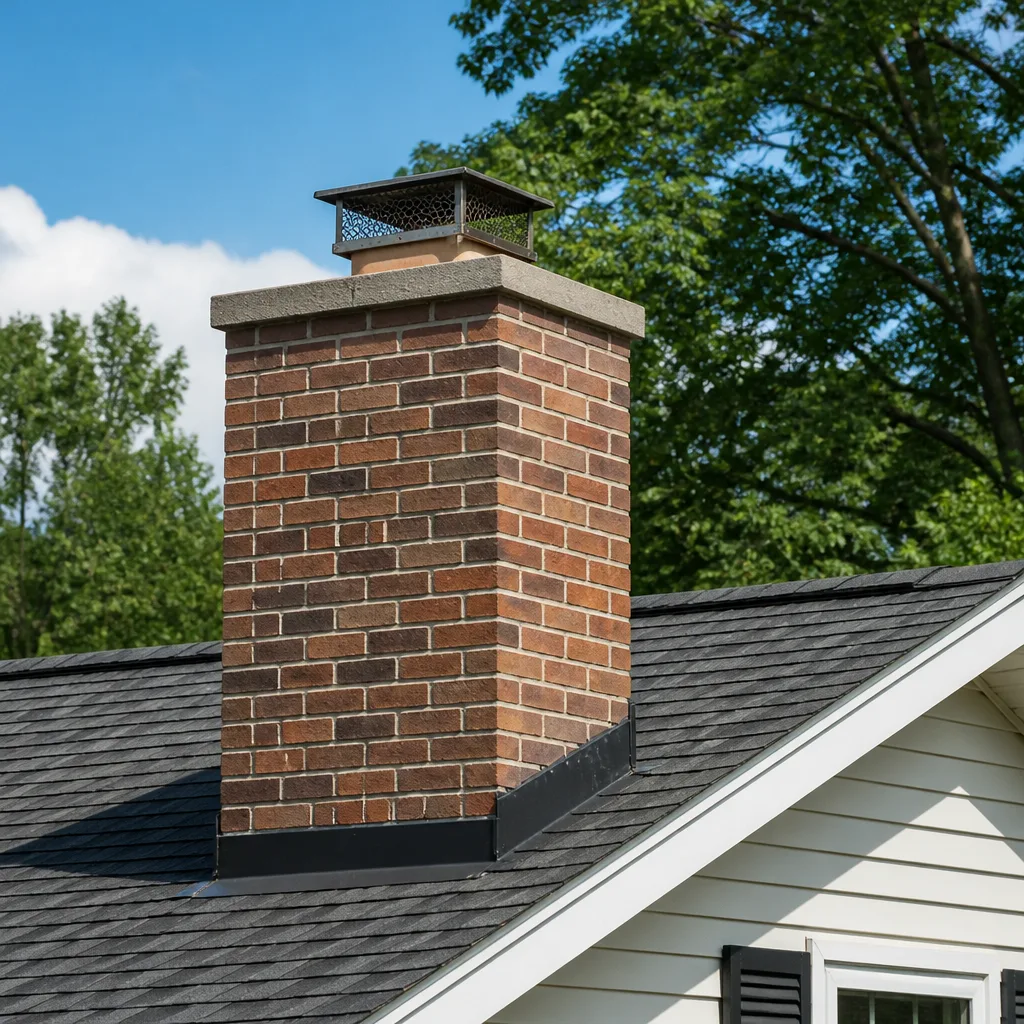
- Walk the exterior of the chimney. From the ground, look at the crown for cracks, the cap for missing screens, the mortar joints for crumbling, and the brick face for spalling or staining.
- Smell test. A smoky smell that lingers when the fireplace isn’t running is a sign of flue leakage or a blocked flue. It’s not proof of anything, but it tells you to get it looked at.
- Test the smoke draw. On a cold, still day, light a piece of incense near the damper opening and watch which way the smoke goes. If it goes down or drifts sideways, you have a draft problem. If it goes up and out, draft is likely working.
What Requires a Camera Inspection
The interior condition of the flue is the one thing you cannot safely or accurately see from the hearth. A Level 2 inspection uses a video camera run through the flue to record the full length of the liner, the tile joints, the smoke chamber, and the damper. It is the only way to confirm whether a tile has cracked, whether a joint has dislocated, or whether the flue has a buildup that no flashlight can reveal. If you’ve noticed any lingering smoke smell, any backdraft, or any staining in the firebox, a camera inspection is the correct next move. We handle chimney inspection with a camera and a written report, so you see what we see.
What Uptown’s Older Home Construction Means for Your Chimney
Chimneys in Uptown aren’t the same as chimneys in newer subdivisions. The housing stock here includes a mix of mid-century construction and older homes, and the masonry reflects the practices of those eras. Most of it is sound, but the material behavior is different in ways that shape how chimney problems show up. Understanding that helps you read your symptom more accurately.
Older brick mortar mixes were often softer and more porous than modern materials. They were designed to flex slightly as the masonry moved and to absorb minor moisture. Over time, that softness turns into erosion. Mortar joints recede, brick faces spall, and the crown at the top of the chimney develops hairline cracks that widen with each seasonal temperature swing. In Uptown, the winters are mild, so the classic freeze-thaw breakdowns you read about in northern chimney guides aren’t the main story here. The bigger issue is steady moisture cycling and the natural aging of materials that were installed decades ago. Rain soaks into a porous brick face, works into the mortar, and every warm spell dries it out again, leaving a little more of the surface behind.
Foundation construction matters too. Homes in Uptown frequently sit on pier-and-beam foundations, which means the whole structure floats slightly above grade on support piers rather than resting on a poured slab. That’s a perfectly stable way to build a house, but it also means the chimney is attached to a moving structure. Over years and decades, small shifts in the support can stress the masonry where the chimney meets the house, and can cause joints in the flue tiles to open. This is one reason why we recommend checking the visible masonry connections between the chimney and the roofline during any inspection, not just looking up the flue. A chimney repair that only addresses the interior of the flue, and ignores the masonry connection to the home, can leave the underlying weakness in place.
None of this means every older Uptown chimney is failing. Far from it. Most are fine, and most will stay fine with proper maintenance. It means the problems that do develop tend to develop at the seams, the joints, and the crown, and those are the places a trained eye looks first.
Why Fixing the Visible Symptom Wastes Money
The single most common money-waster in chimney service is treating a symptom without diagnosing its cause. A homeowner sees water dripping down the inside of the firebox and calls for a cap.
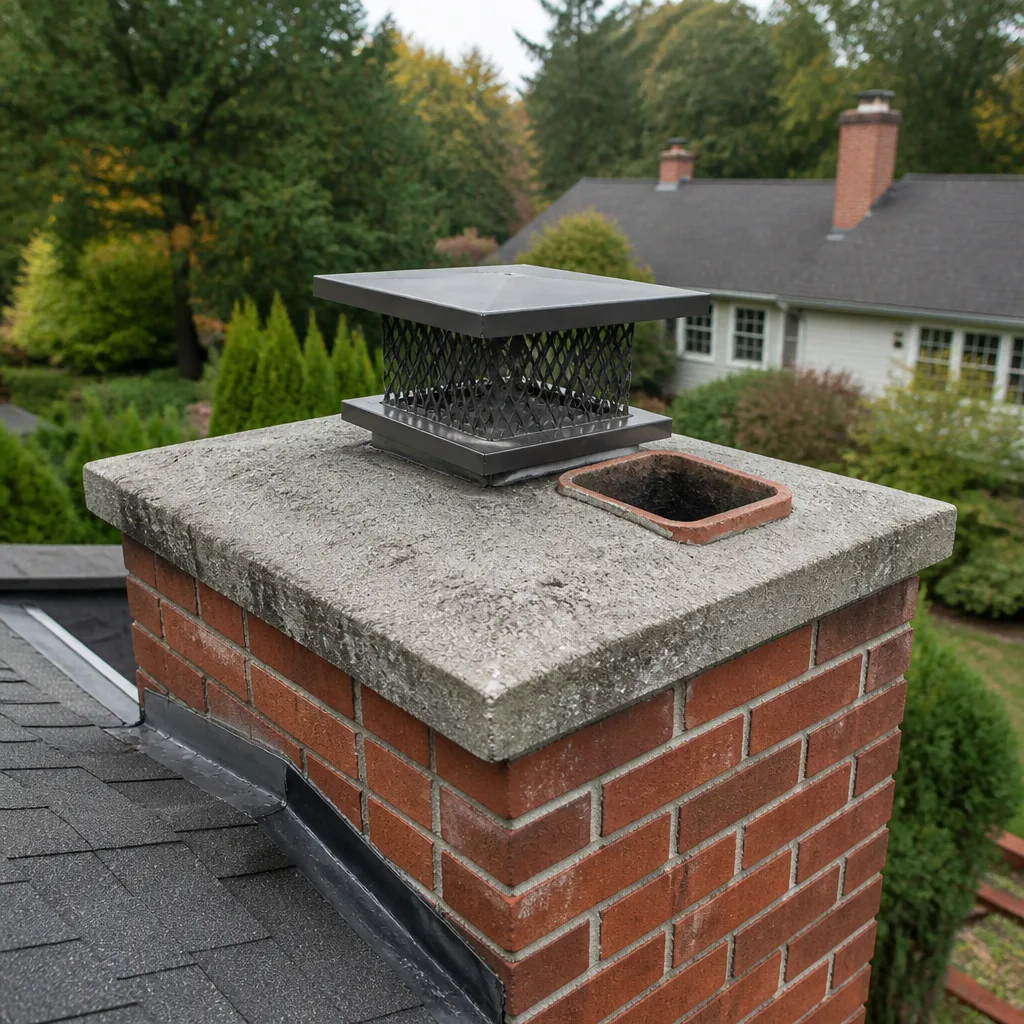
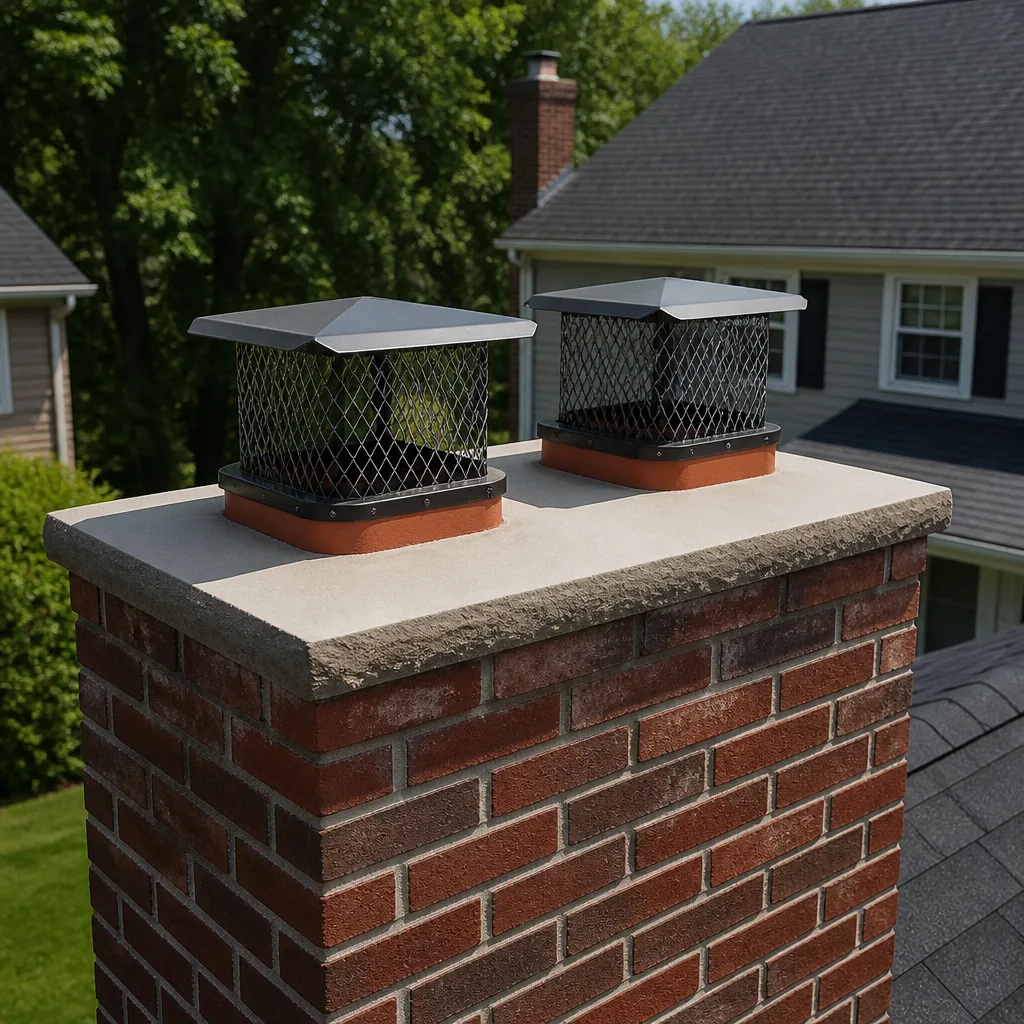
The cap is the metal or masonry cover on top of the chimney that keeps out rain, animals, and debris. It’s essential, and if it’s missing or damaged, it’s the correct fix. But a drip inside a firebox doesn’t necessarily mean a missing cap. It can mean a cap that is present but has a cracked crown beneath it. It can mean a failing crown that lets water seep into the masonry where it meets the flue. It can mean the flashing where the chimney meets the roof has opened up. A cap installed over a cracked crown stops nothing. The water finds its way in through the same crack, and the homeowner has paid for a cap that didn’t solve anything.
This is why our approach is to diagnose before we install. A chimney cap & crown service only does what it’s supposed to do when we’ve first confirmed the crown and flashing are sound. If the crown is failing, we can repair it with HeatShield resurfacing, a factory-engineered repair system for deteriorating flue tiles and crowns that reseals the surface without rebuilding the masonry. If the flashing is the issue, we address that connection. If the cap is the issue, we fit a precision-manufactured Gelco cap sized to the exact flue. Each of those is the right fix for a different situation, and installing the wrong one wastes money.
A Simple Rule of Thumb
If you can see the water coming in, you already know you have a water problem. What you don’t know from the inside is where it entered. Fixing the water intrusion at the point of entry, not the point of arrival, is what stops the cycle. For most Uptown homeowners, water arrives at the crown or a joint; the interior drip is the symptom, not the source.
The Decision Tree: What Can Wait and What Can’t
Not every chimney problem is an emergency, and not every problem is safe to defer. Here’s how we think through the timeline. The categories below help you decide whether to stop burning now or schedule a service visit when it’s convenient.
Stop Burning Immediately and Get It Inspected
- Smoke backing into the room on every fire. This is a sign the exhaust isn’t moving and could be a blockage or a serious flue problem.
- A lingering smoky smell after the fire is out. Creosote or a leaky flue can turn this into a hazard quickly.
- Visible cracks in the firebox or smoke chamber. These can let carbon monoxide escape into the home.
- Any known chimney fire, even a small one. The flue must be inspected before you burn again.
- Rust or water damage on the damper or firebox. Water intrusion has already compromised something and it needs to be seen.
Schedule a Visit Before the Next Burning Season
- Crumbling mortar joints on the exterior. It’s not urgent, but waiting through another wet cycle lets it worsen.
- A crown with hairline cracks. These grow, but they don’t fail overnight.
- A missing or damaged cap screen. Animal entry is the risk, and it’s worth fixing before it happens.
- Staining on the exterior brick face. It usually signals a slow moisture issue rather than an active emergency.
- An annual sweep that’s just due. Regular maintenance is never urgent until it is.
Safe to Wait for Damage to Show
- Cosmetic discoloration on the firebox brick. It looks bad, but if the flue and firebox are sound, it’s not a hazard.
- A firebox door that has lost its finish. Purely cosmetic until the seal fails.
- A draft that only appears on unusual weather days. Worth monitoring, worth checking at the next inspection.
When the categories blur, the right decision is to have the chimney looked at. A trained technician can tell you in a few minutes whether it’s the top category or the bottom one, and the cost of an inspection is always less than the cost of a misread.
Creosote: The Problem You Can’t See
Creosote is the dark, tarlike residue left by burning wood, and it is the single most important thing a homeowner cannot see for themselves. It builds up in the flue in layers, and the thicker it gets, the more combustible it becomes. Wood that is wet, smoldering fires, and a cold flue all produce more of it. In Uptown, where burning is often seasonal and the fire isn’t always hot enough to fully combust the fuel, creosote accumulation is a common reason we recommend a sweep.
The reason creosote matters so much is that it turns a harmless flue into a risk. A chimney fire can ignite a heavy creosote layer, and even a small one can damage tiles that were otherwise sound. The symptoms of heavy creosote are subtle: a smoky smell, soot flakes drifting down, a fire that doesn’t seem to burn as well as it used to. If any of these sound familiar, the shape of the fix is the same: inspect, sweep, and evaluate the flue while the camera is up there. The chimney sweep itself is routine, but the inspection that comes with it is what tells you whether the flue is sound underneath.
One thing to understand: a sweep is not the same as a cleaning. A real sweep includes removing the creosote and soot from the accessible parts of the flue and firebox, but it also includes a look at the flue interior and the exterior of the chimney. If we find cracking tiles or a failing crown during a sweep, we can address it in the same service relationship rather than handing you off to a separate contractor. That’s the difference between a sweep-only operator and a full-scope specialist.
Why One Specialist Beats a Rotation of Vendors
A chimney is a system, and its parts are not independent. The cap sits on the crown. The crown caps the masonry. The masonry surrounds the flue tiles. The flue tiles contain the smoke. When one part of that system fails, it often stresses the next part, and treating the parts in isolation means treating the same problem twice. This is why a homeowner who calls a different vendor for every symptom often finds themselves repeating the same fixes.
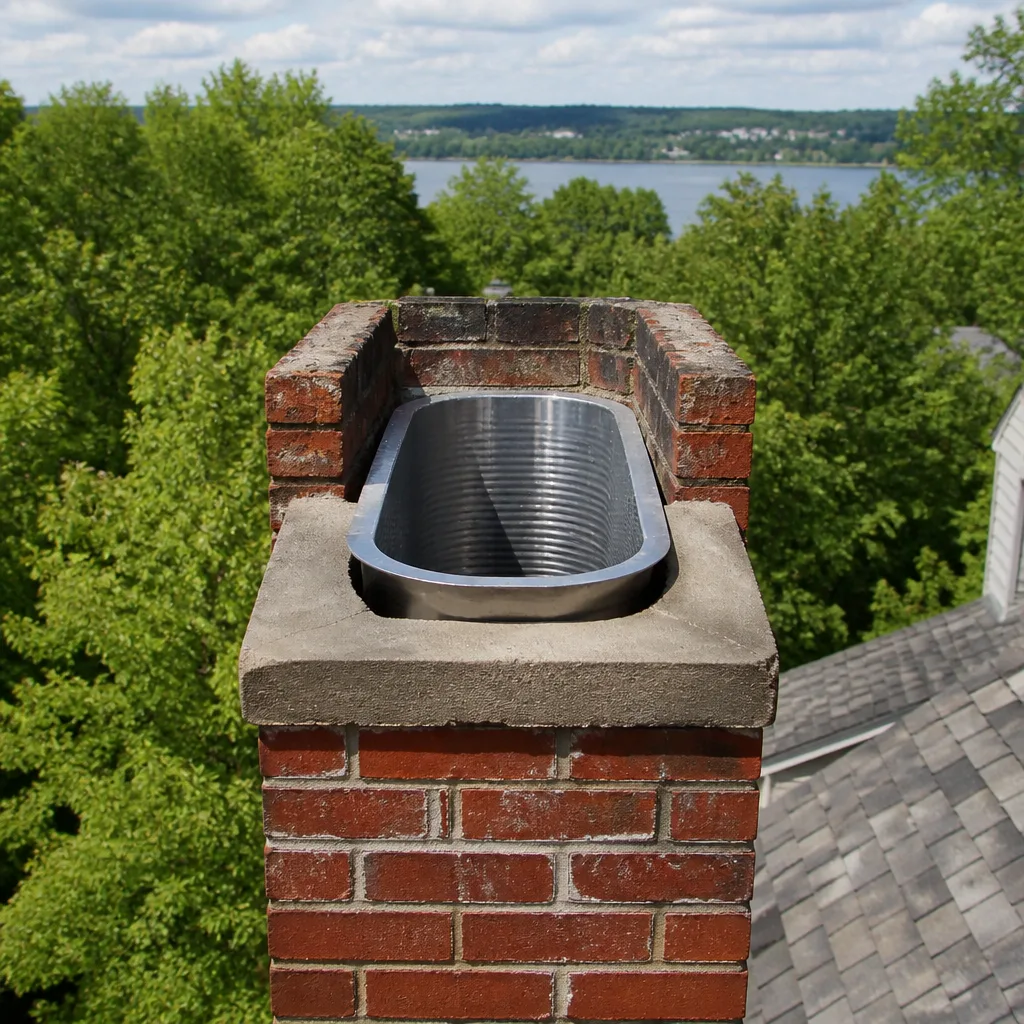
The alternative is to keep one specialist who can see the whole picture and fix what the inspection finds. We fit DuraFlex flexible liner systems, which are recognized professional-grade liner materials, when the flue tiles are too far gone to repair. We resurface failing flue interiors with HeatShield, a factory-engineered repair system. We fit Gelco chimney caps sized to the flue, and source materials through trade suppliers like Olympia Chimney, so the materials going into your chimney are the same ones specified by certified professionals elsewhere. That matters when the diagnosis is structural, because the right fix for a cracked flue is not the same as the right fix for a failing crown, and a generalist may not know the difference. Fireplace repair work often falls in the same category: fireplace repair done without knowing what the flue behind the firebox looks like is guesswork.
Our technicians have up to 12 years of experience, and we don’t just find the problem. We fix it, using the right material for the actual condition of the flue, not a generic upsell.
Common Mistakes to Avoid
- Opening the damper wider as a first response to smoke. As this guide has explained, this only helps when the flue is clear and the problem is a cold flue. In an older Uptown home, it usually masks a flue problem rather than solving one.
- Adding a cap without checking the crown. A new cap over a failing crown stops nothing. The water still finds its way in.
- Burning wet or unseasoned wood to “clear out” the flue. This makes creosote worse, because wet wood burns cool and produces more smoke residue. Burn dry wood and have the flue swept.
- Assuming a smoky smell is normal. It isn’t. It’s a sign that something in the flue or firebox needs attention, and ignoring it lets the problem grow.
- Treating exterior mortar cracking as cosmetic. Minor cracking is fine. Crumbling joints in Uptown’s older brick gradually widen, let water into the masonry, and turn a small repair into a large one.
- Calling a handyman for structural chimney work. A handyman can patch a chimney, but a specialist can diagnose why it needed patching. Material-specific expertise matters when the fix involves a liner, a crown, or a firebox.
- Skipping the annual sweep because the fire “seems fine.” The dangerous creosote layer is invisible from the hearth. A cheap sweep once a year is the least expensive thing you can do to keep the chimney safe.
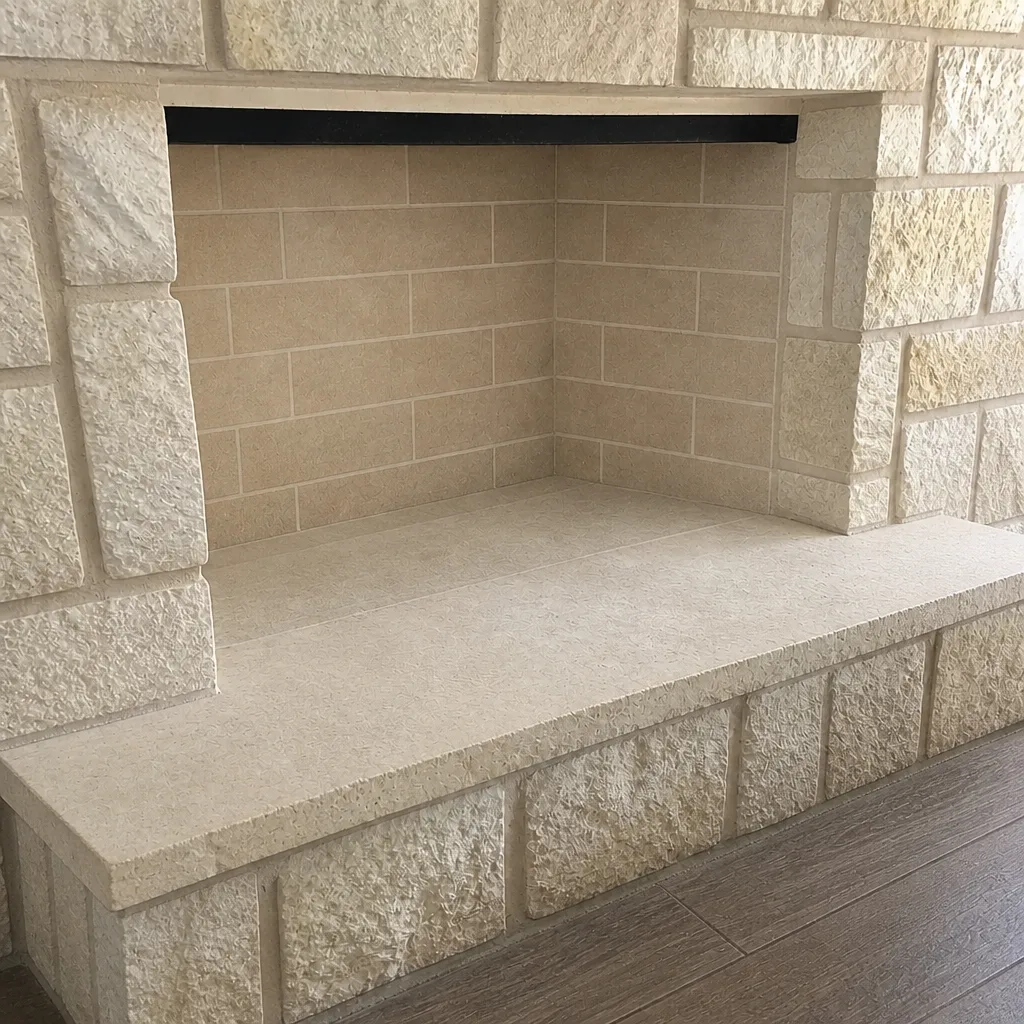
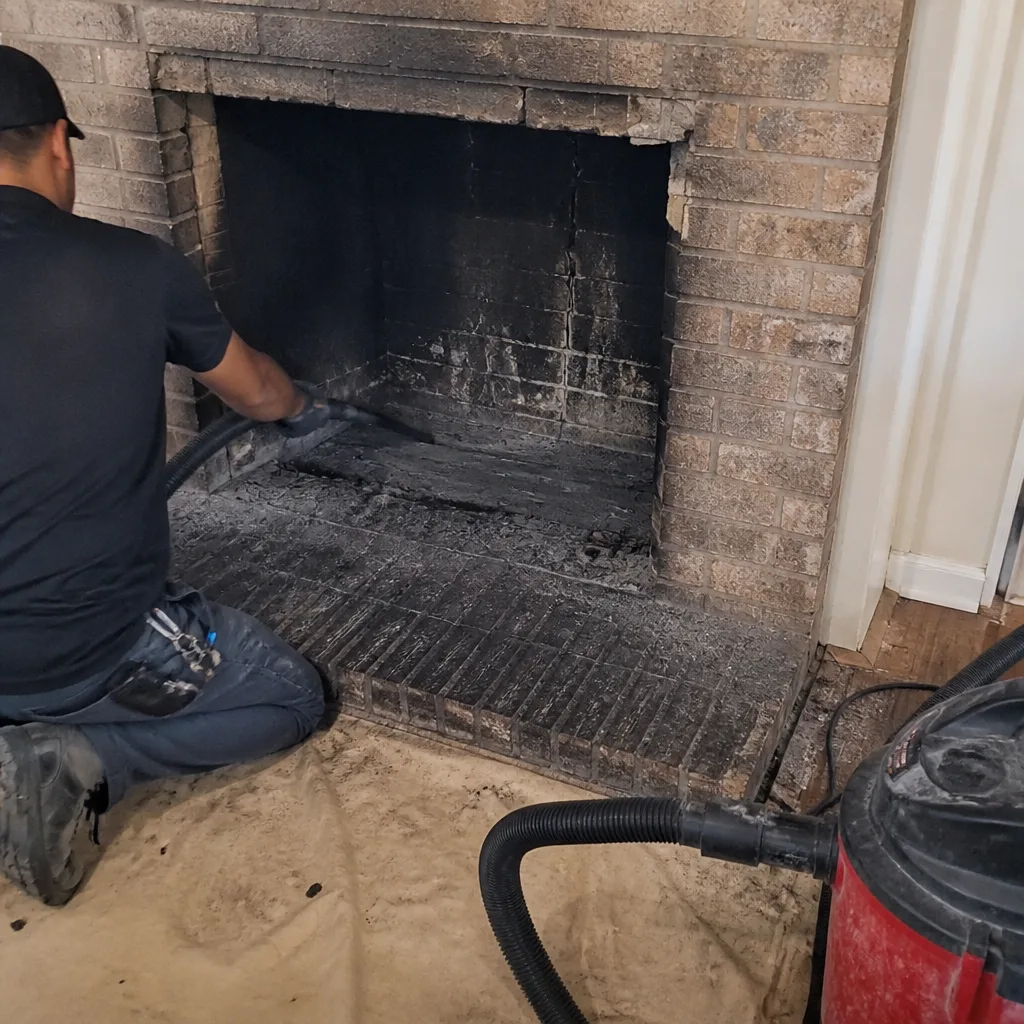
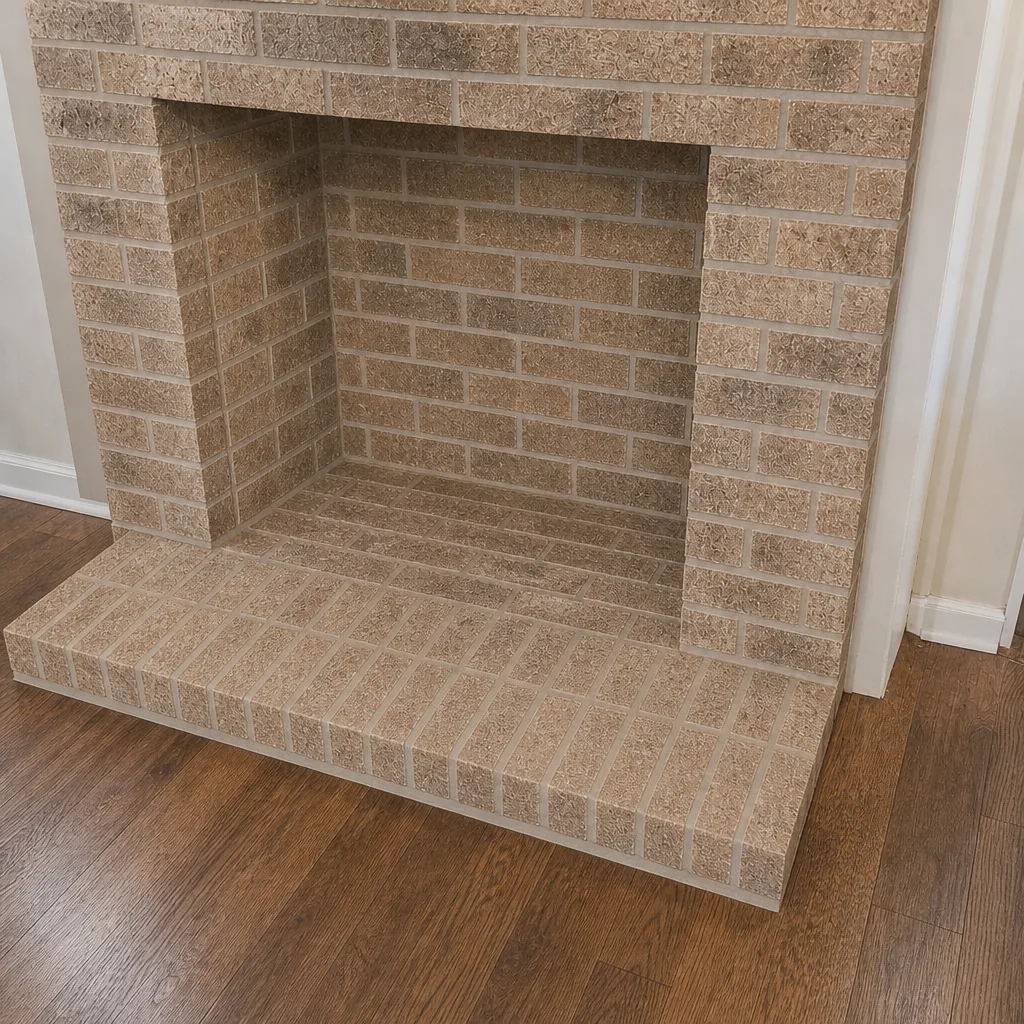
See the difference
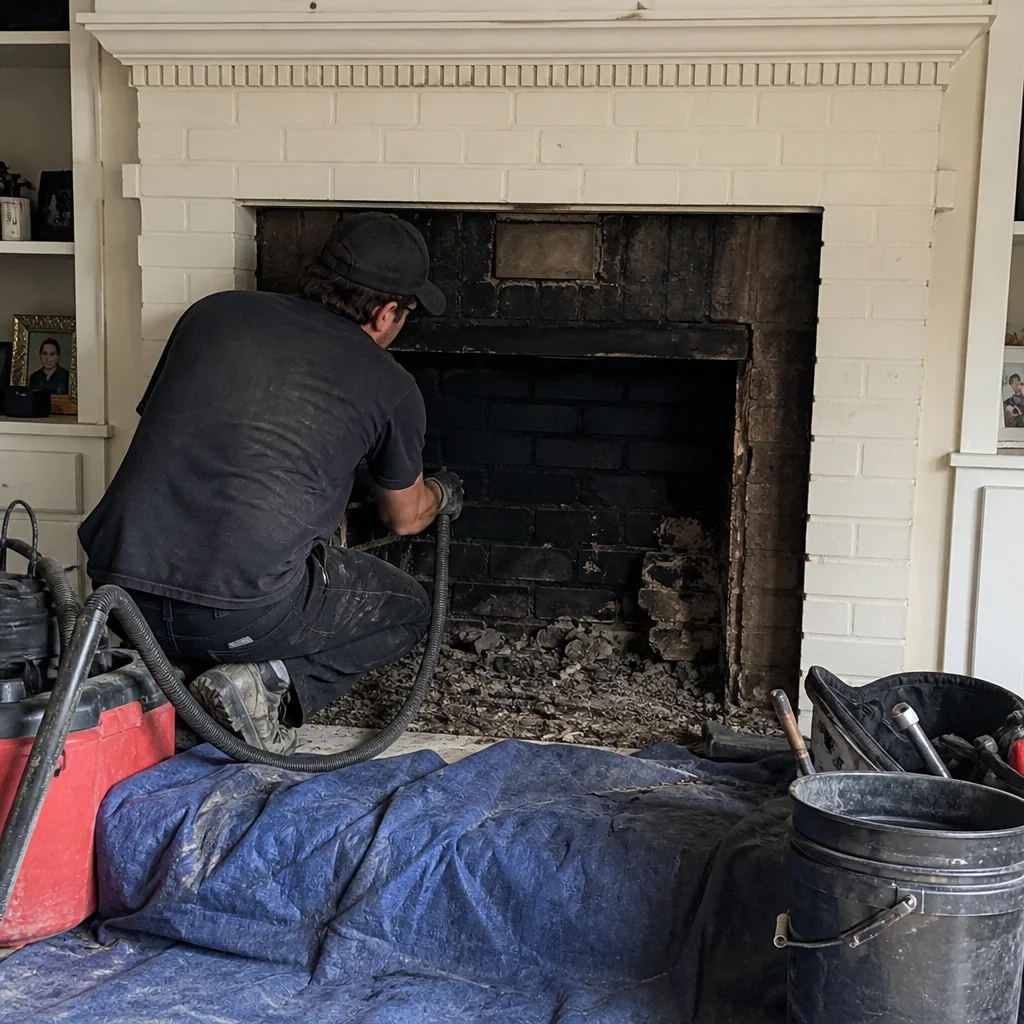 Before
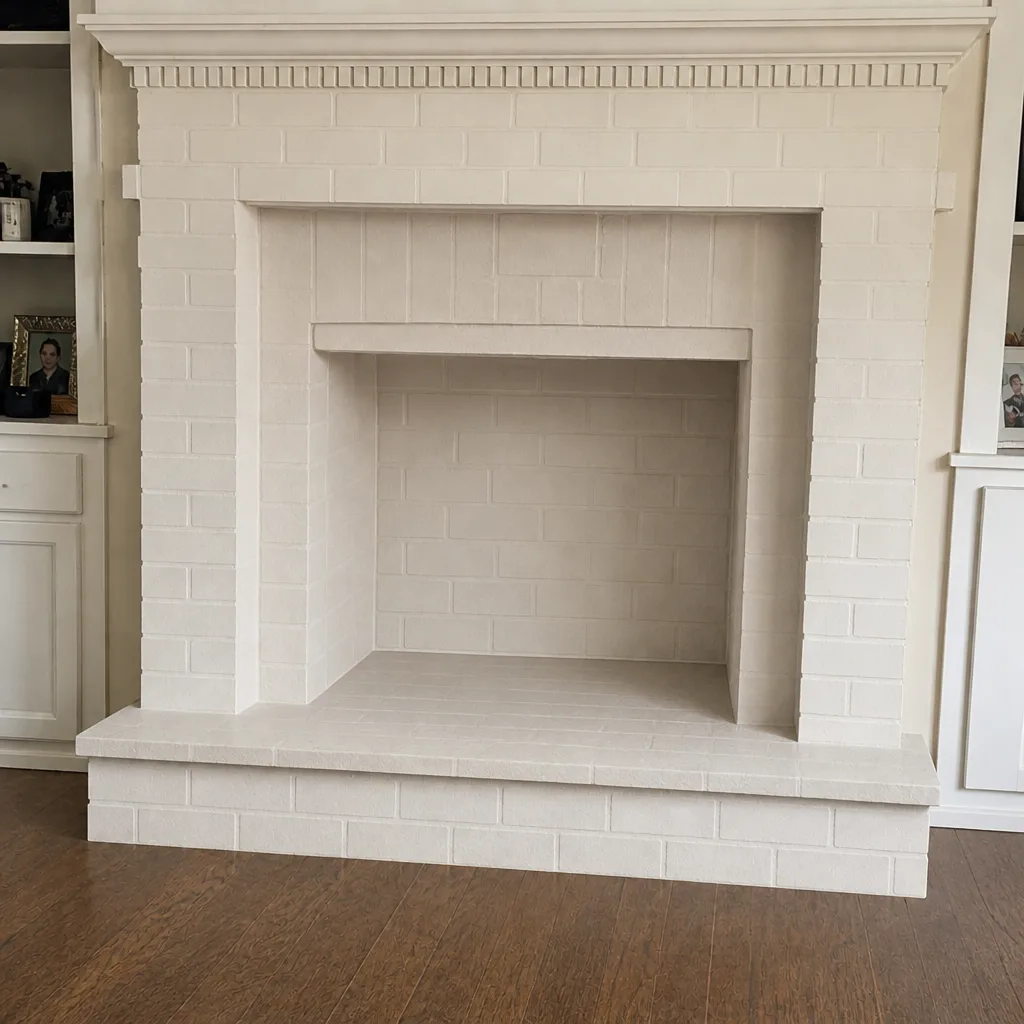 After
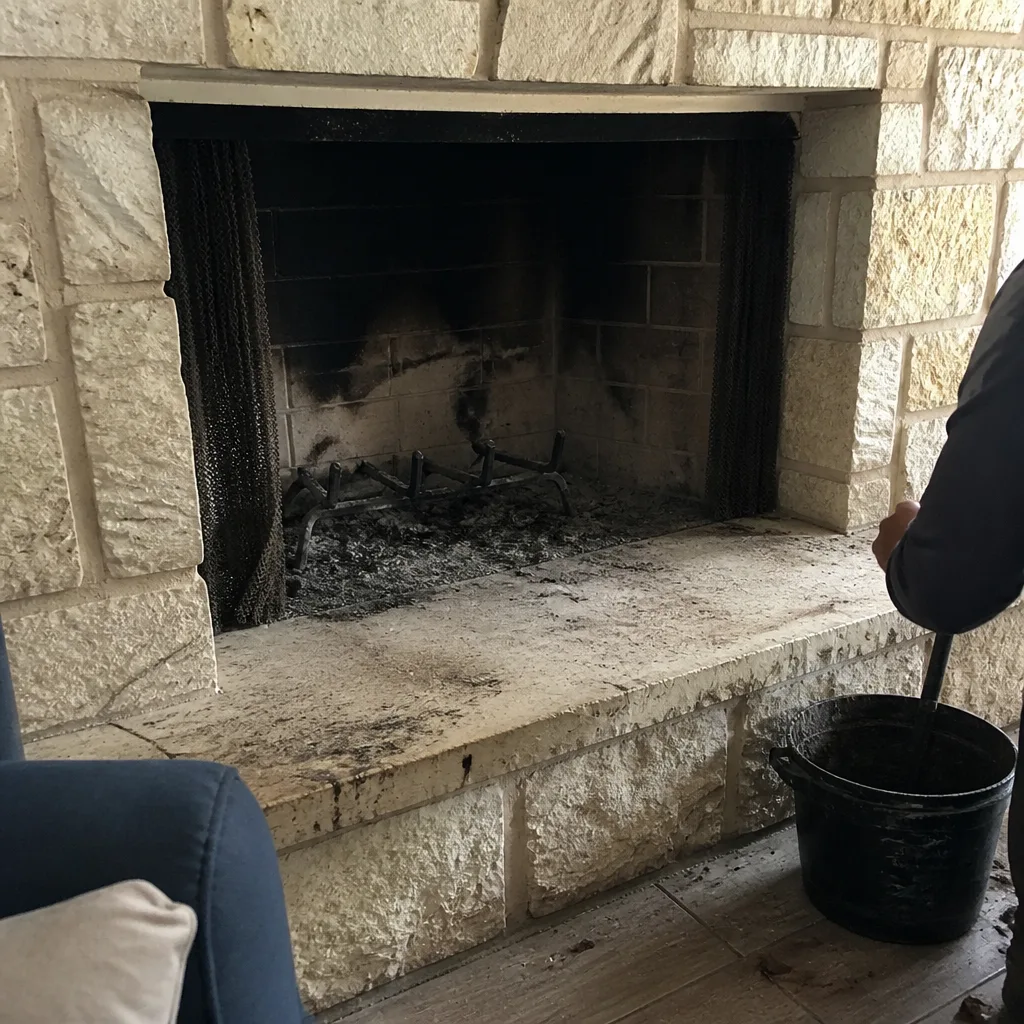 Before
 After
 Before
 After
When to Call a Professional
Call a professional when the symptom you’re seeing involves the interior of the flue, anything you can’t safely see from the hearth, or any sign that the chimney’s structural components are changing. That means smoke backing into the room, a lingering smoky smell, cracked or crumbling masonry, water staining in the firebox, a known chimney fire, or water entering the home through the chimney. Call when you’re preparing to sell and need a documented inspection. Call when you’re not sure whether the symptom you’re seeing is serious. A technician can tell you in a single visit. Chimney Sweep Uptown offers free estimates in Uptown: call (855) 814-8019. We answer 24/7. Fast dispatch from 7am to 7pm, Sunday through Friday.
Frequently Asked Questions
The most common issue we see in Uptown is water intrusion that starts at the crown or a compromised flashing joint and shows up inside the firebox as staining or rust. It’s rarely a missing cap; it’s usually a small crack that has widened over time. A camera inspection and a look at the crown are the two things that pin down the cause.
Only in the specific case where the flue is clear and the problem is a cold start. In most Uptown homes, especially older ones, a smoking fireplace points to a flue that is blocked, damaged, or compromised, and opening the damper changes nothing because the exhaust path itself is impaired. If smoke is coming into the room, the correct next step is an inspection.
The general rule is once a year for a home that burns regularly. If you burn wood seasonally and the fire is small or infrequent, an annual sweep is still the right rhythm, because creosote accumulates even with light use. The inspection that comes with the sweep tells you whether the flue needs more than a sweep. Call (855) 814-8019 to schedule one.
Not usually. A hairline crack is a maintenance issue that should be repaired before the next wet season, but it’s not an immediate hazard. A crown that has separated from the masonry, or one where pieces are visibly moving, is a different matter and should be addressed promptly. Either way, a professional can look at it and tell you which category you’re in.
A sweep cleans the flue but cannot see what’s happening inside it. A camera inspection runs a video scope down the flue and records the tile joints, the smoke chamber, and the damper. If you have any smoke smell, backdraft, staining, or a known chimney fire, the camera is what turns a vague feeling into a concrete, fixable problem. Our inspections include the camera and a written report.
Some can and some can’t. Crumbling exterior mortar and a hairline crown crack can wait if the burning season is over. Smoke backing into the room, a lingering creosote smell, and visible firebox cracks mean you should stop using the fireplace now and get it inspected. When you’re unsure, that’s the moment to have a professional look.
The Bottom Line
Your chimney’s problems show up as symptoms, and the symptoms rarely point to their own cause. Smoke in the room could be a blockage, a pressure imbalance, a cold flue, or a collapsed tile. Water inside the firebox could be the cap, the crown, the flashing, or the mortar. The only reliable way to know which fix is the right one is to look at the chimney in sequence, and to use a camera where the eye can’t reach. Fix the cause, not the symptom, and you’ll spend less and stay safer. That’s what we do at Chimney Sweep Uptown. If you’re not sure which category your chimney falls into, call (855) 814-8019 for a free estimate. We answer 24/7. Fast dispatch from 7am to 7pm, Sunday through Friday.
Written by the team at Chimney Sweep Uptown.